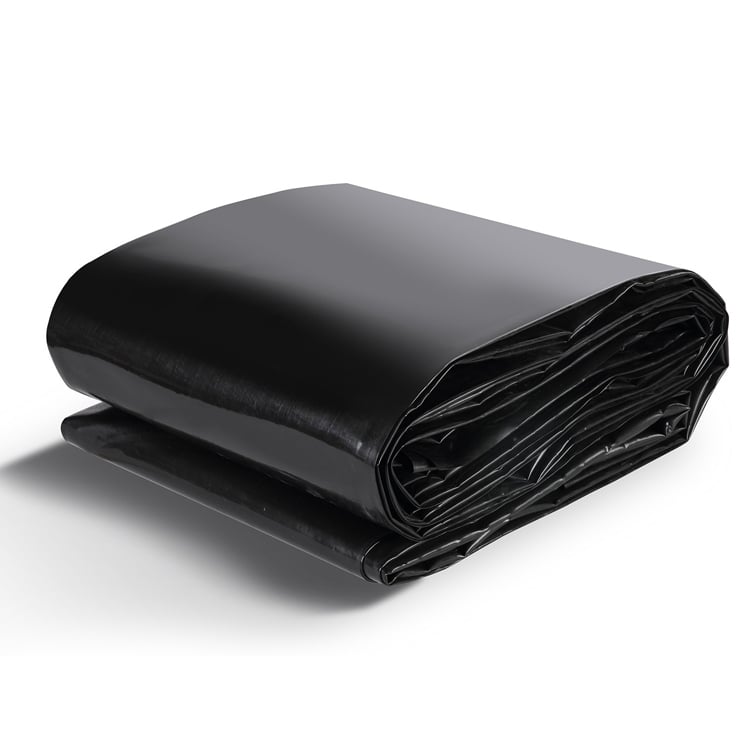
Composite geomembranes are important materials in many industries and have multiple uses. They have many advantages which is why they are commonly in use for various purposes like environmental protection or construction projects. What Is A Composite Geomembrane And Its Benefits The Various Uses This Material Offers Find somebody to ask These are the points we're going to look at now involving them.
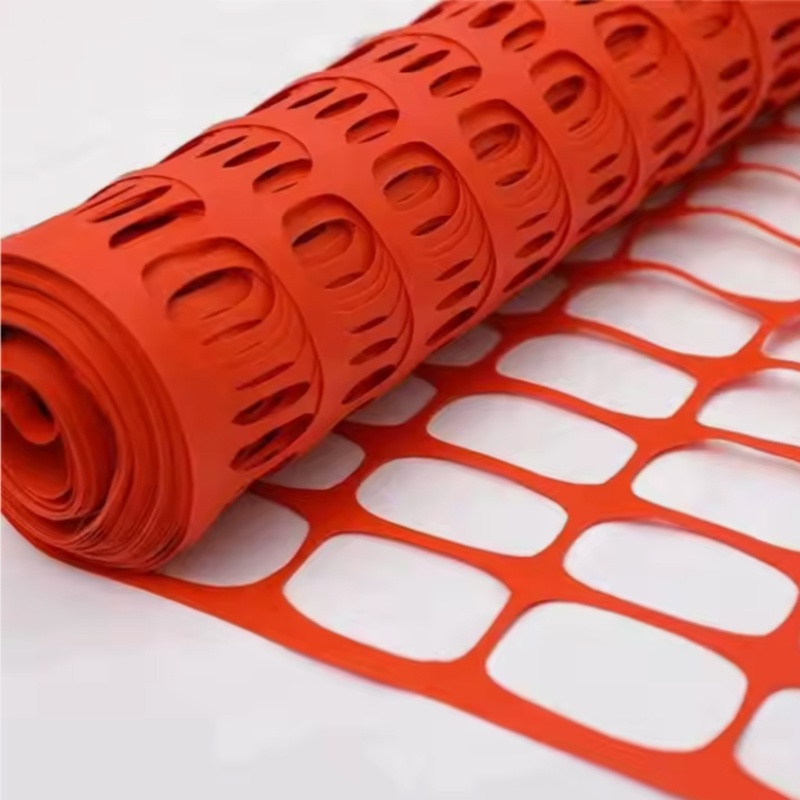
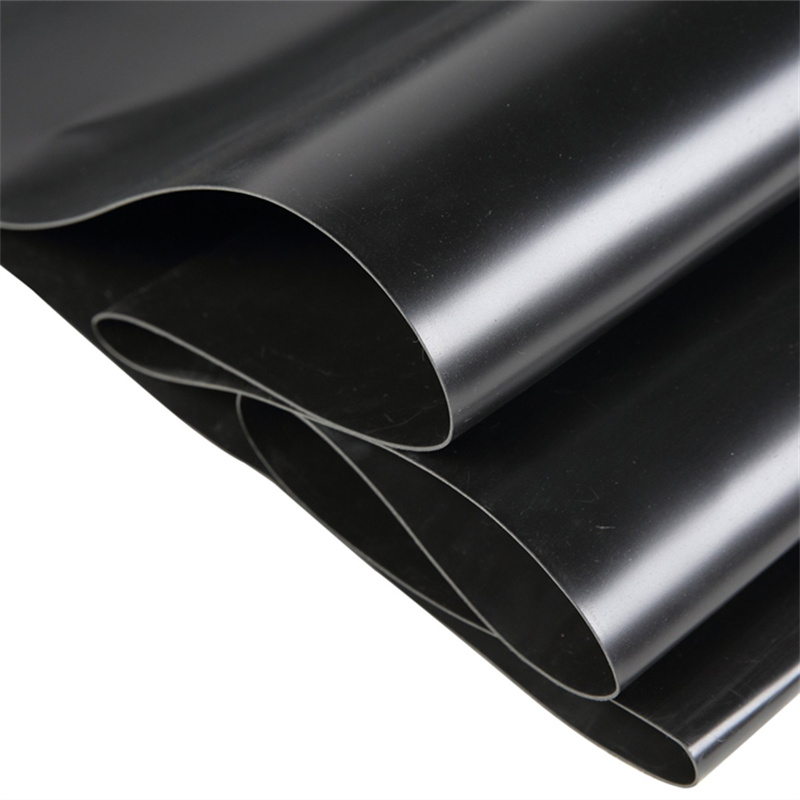
Composite geomembranes are comprised of several layers of diverse materials that, when combined, produce a stronger and more durable solution. This unique structure has several advantages in comparision with the conventional geomembranes. A major advantage of composite geomembranes is their high strength and puncture resistance. The mosaic of materials forms a wall that is resistant to harsh environmental conditions and heavy loads, which looks very nice and is suitable for applications in which security is an important feature. For projects requiring enhanced safety measures, the use of a Safety Fence can be integrated alongside composite geomembranes to improve site security.
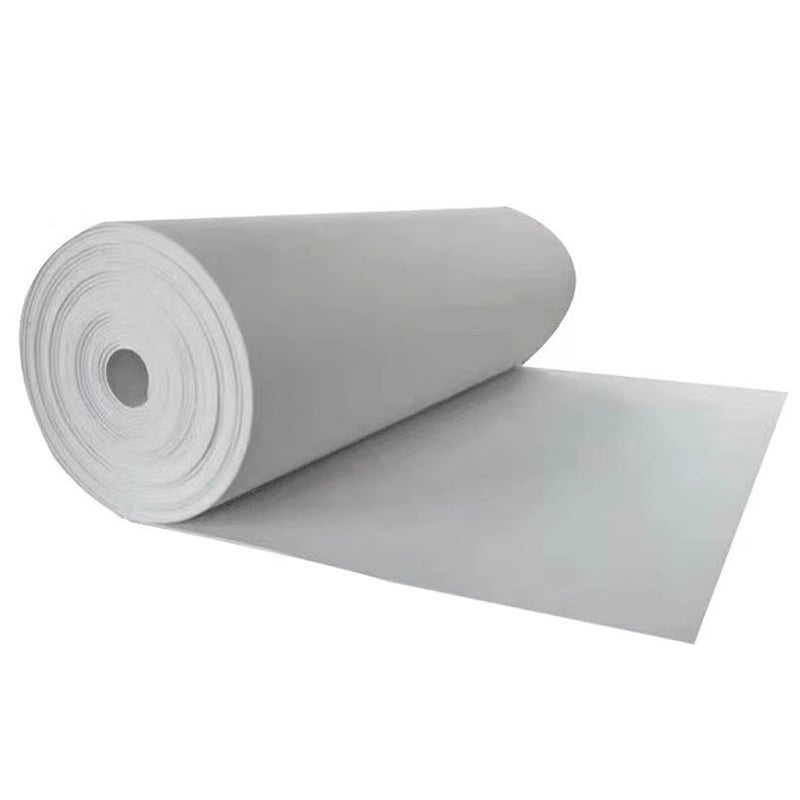
Furthermore, the composite geonmembranes are recognized for their pliability and ease of placement. The multi stage construction enables the pads to follow contours and allows for tension free sanding, especially on delicate surfaces. This flexibility also makes them very versatile and appropriate for many projects including lining landfills, lining ponds, preventing soil erosion, controlling water flow and much more. In addition, composite geomembranes offer long-term performance and durability as they are resistant to chemicals, UV exposure and temperature variance. Their compatibility with Non-woven geotextile layers further enhances their filtration and separation capabilities in environmental engineering projects.
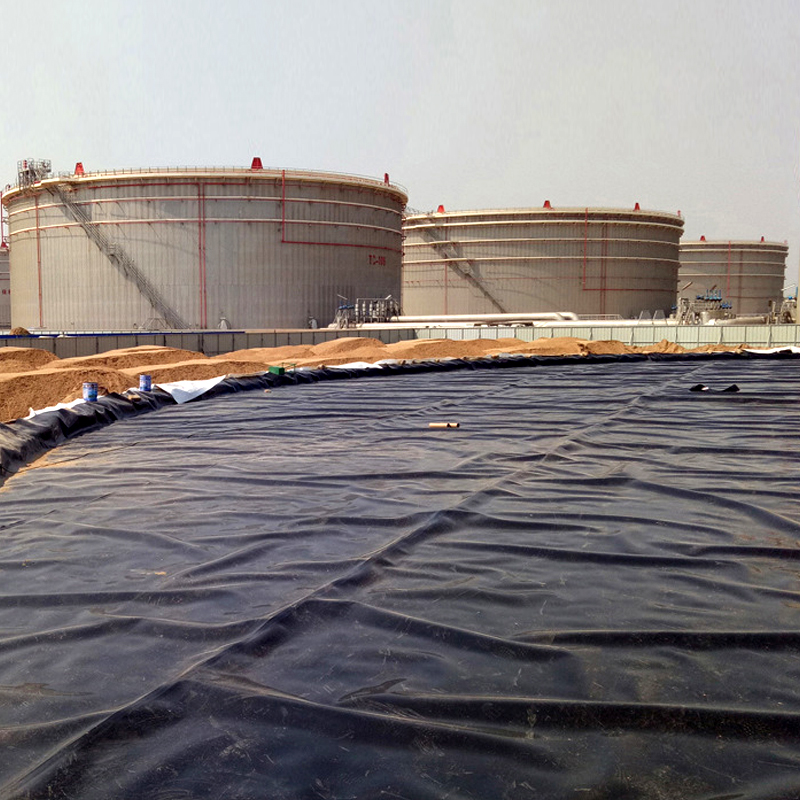
In environmental applications, composite geomembranes are used in systems that contain hazardous waste and other industrial materials. They are then installed in landfills, ponds and storage facilities to prevent leaks and as a defense against pollution of the surrounding environment. Composite geomembranes are durable enough to resist dangerous chemicals and toxic substances and, as a result, gve the needed assurance in environmental protection-type projects.
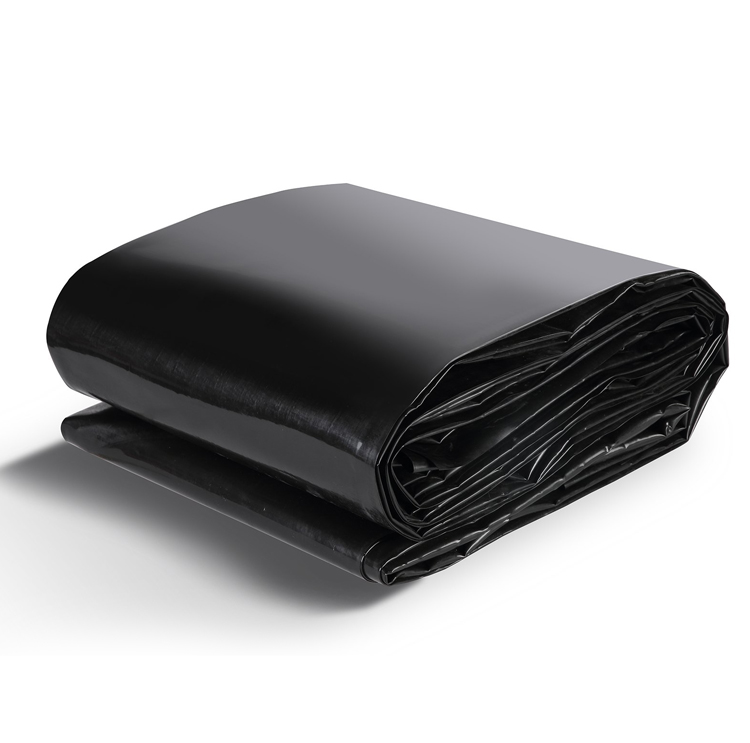
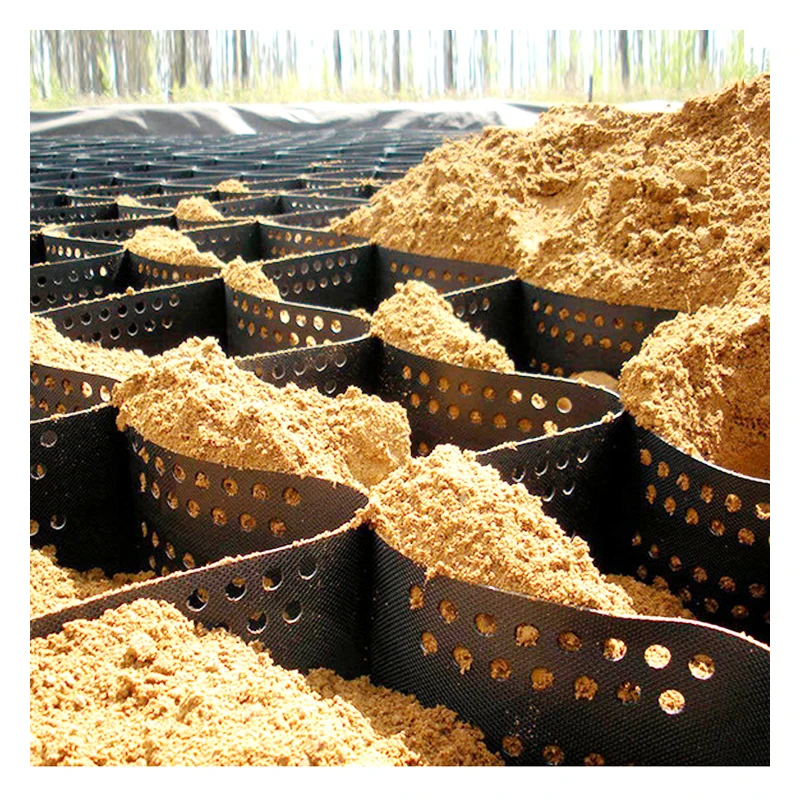
In the construction field, composite geomembranes play a role in applications such as water retention, slope stability and soil reinforcement. Owing to their high tensile properties and crack resistance, these are suitable for lining of tunnels, reservoirs and subways in order to stop entry of water so as to help maintain structural stability. Composite geomembranes are also used in landscaping applications, for example to create a barrier for retaining walls, planted embankments, or other water and erosion impermeable slopes. Additionally, the integration of 3D Geomat technology can improve soil reinforcement and slope protection in these landscaping projects.
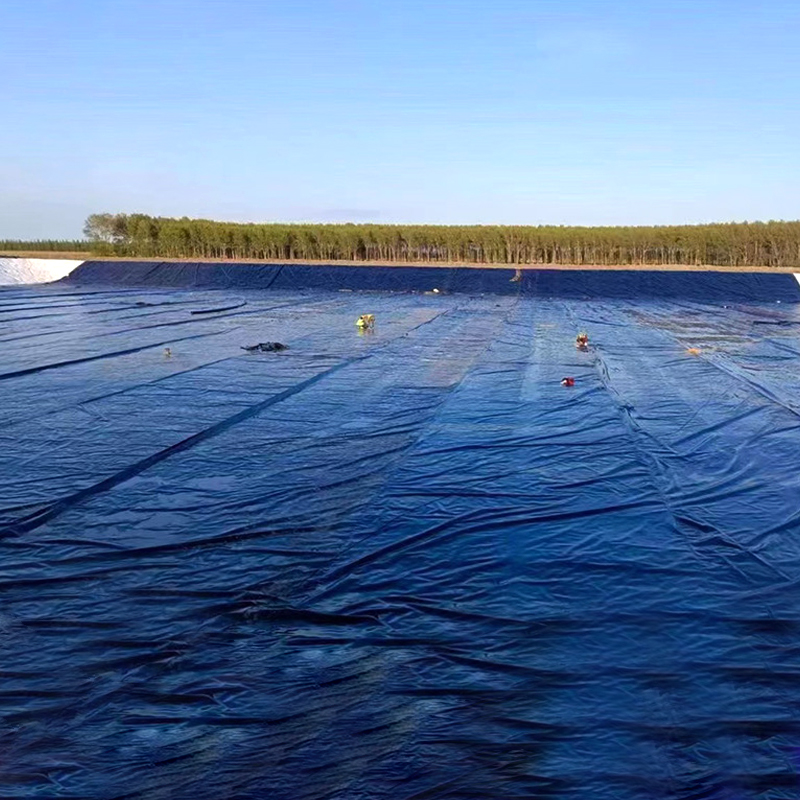
In general, Composite Geomembranes provide a flexible and dependable solution for different industries and uses. As a practical material, reinforced HLDPE has excellent tensile and tear strength which also allows it to be used in the most robust projects, including those where chemical resistance is needed. Whether the project goal is to protect the environment, maintain structural stability through weight distribution, retrain waste materials in landfills or increase a property's aesthetic value by adding new landscape elements, composite geomembranes offer the lifesaving durability and longevity required for successful results.
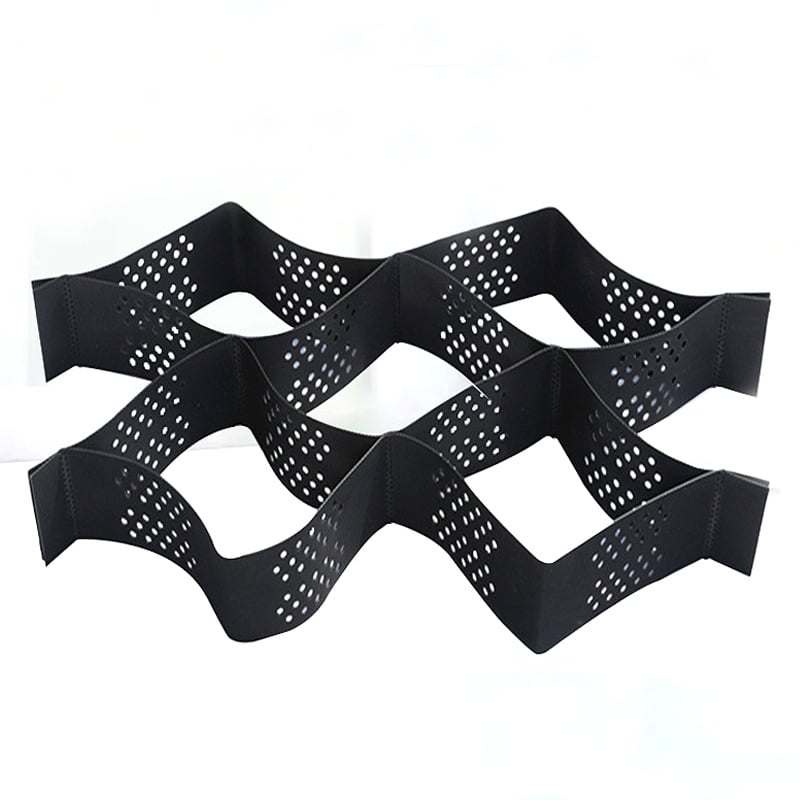
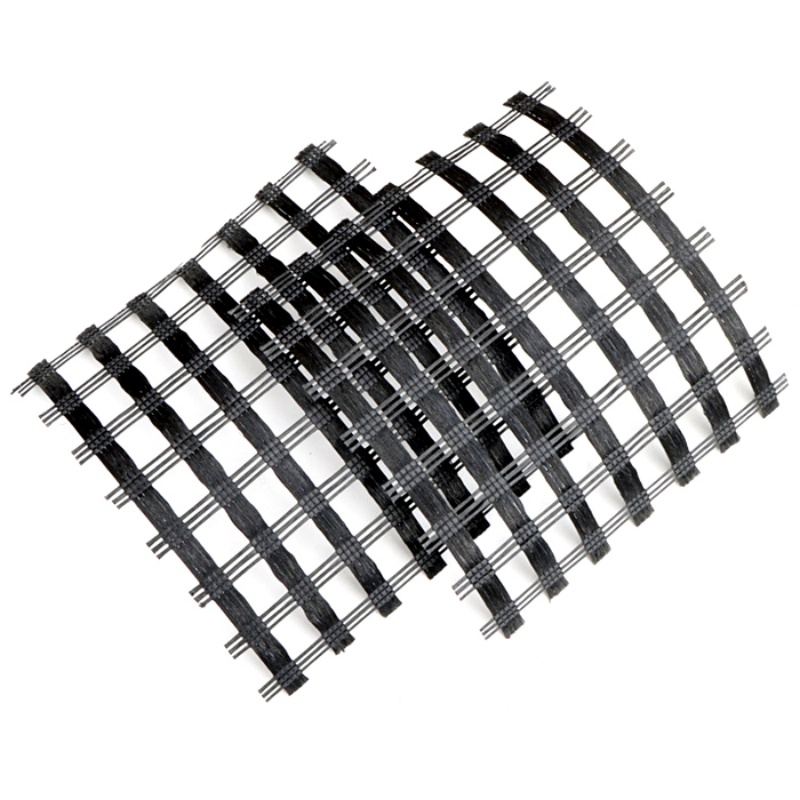
Composite geomembrane is a kind of material with two or more layer structure, each function is different. The most prominent of these features being the long standing life line of composite geomembrane. High quality: sheets has a honeycomb structure with an aluminum finish face and cardboard interior iceberg grade material which adds strength and tear resistance as well as uv protection for long term usage in different type of projects. For enhanced mechanical reinforcement in composite geomembranes, the use of Geogrid materials is often recommended to improve load distribution and durability.
 EN
EN