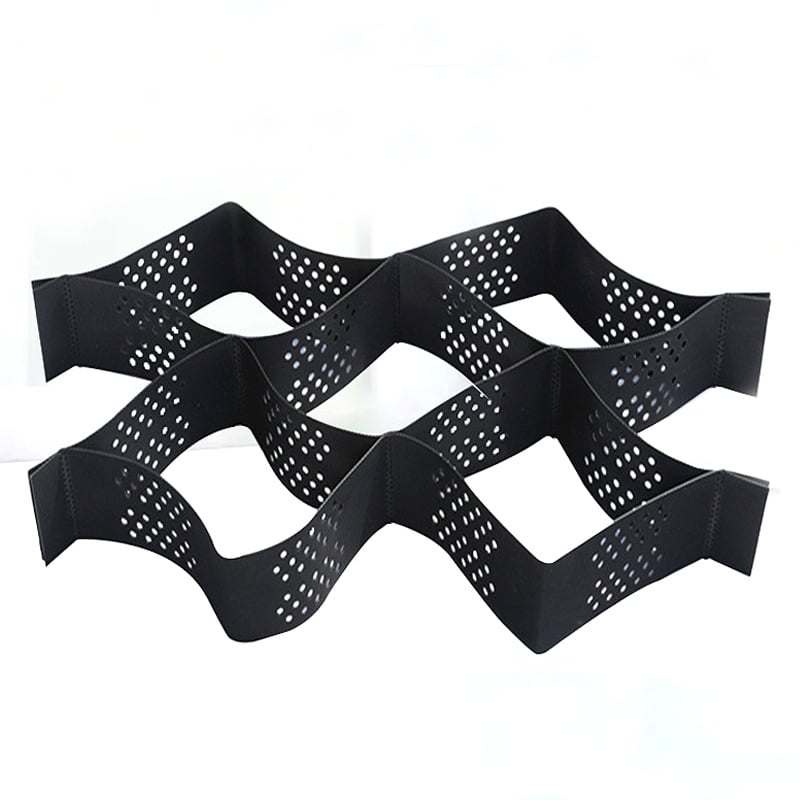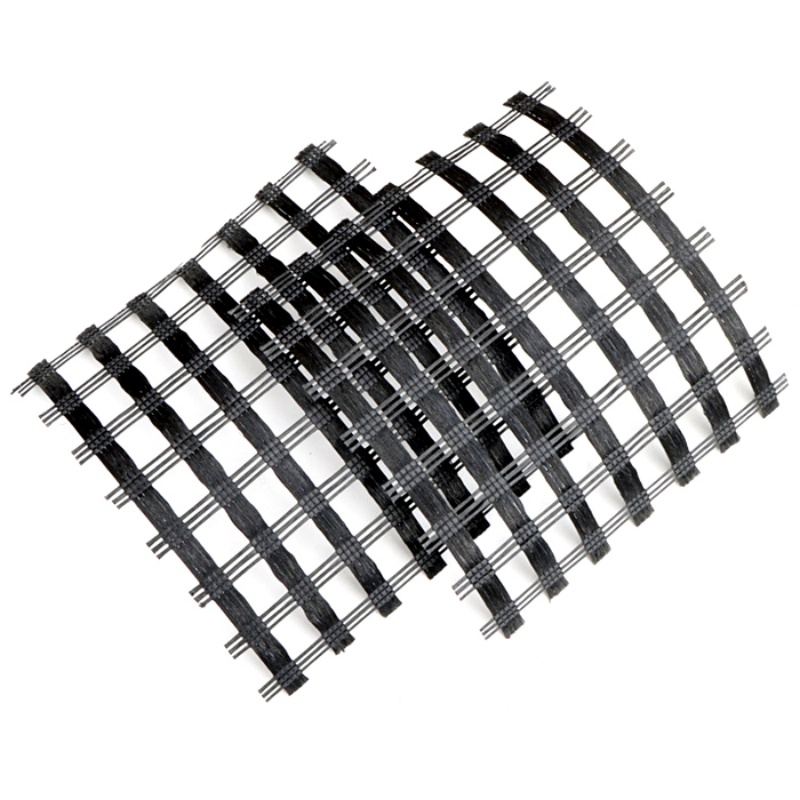
Geo cells are an emerging trend in road construction. Geocells are three-dimensional objects created from durable materials. They also do offer themselves up in a grid or honeycomb pattern that holds soil or other materials. Such features would improve the ground, making it more suitable for building traffic roads. Companies like LUDE are focusing geocells on how roads are constructed. The use of geocells technology speeds up and streamlines road building. The benefits are safer and more enduring roads for all who travel upon them using geocells.
What Are Geocells Used For In Construction of Roads? The best part of all is that geocells help prevent soil erosion. When it rains, water can wash away loose soil that can weaken roads. The geocells contain the soil and help keep it in place, including in hard rain. Roads made with geocells are therefore less likely to develop issues such as cracks or potholes. Another bonus in favor of geocells is that they can minimize the amount of construction material required to build roads. Geocells with soil require less gravel or concrete. This is not only cost saving, but environmentally friendly in that it reduces waste. Additionally, geocells can improve drainage. Water can flow through the cells and seep into the ground rather than pooling on the road. This makes roads easier to drive on and helps to prevent flooding. In general, geocells contribute to more efficient and environmentally less harmful road construction. They help to save money and time, and minimizing resource use while roads are longer lasting. For more information about sustainable solutions, check out our Safety Fence options.
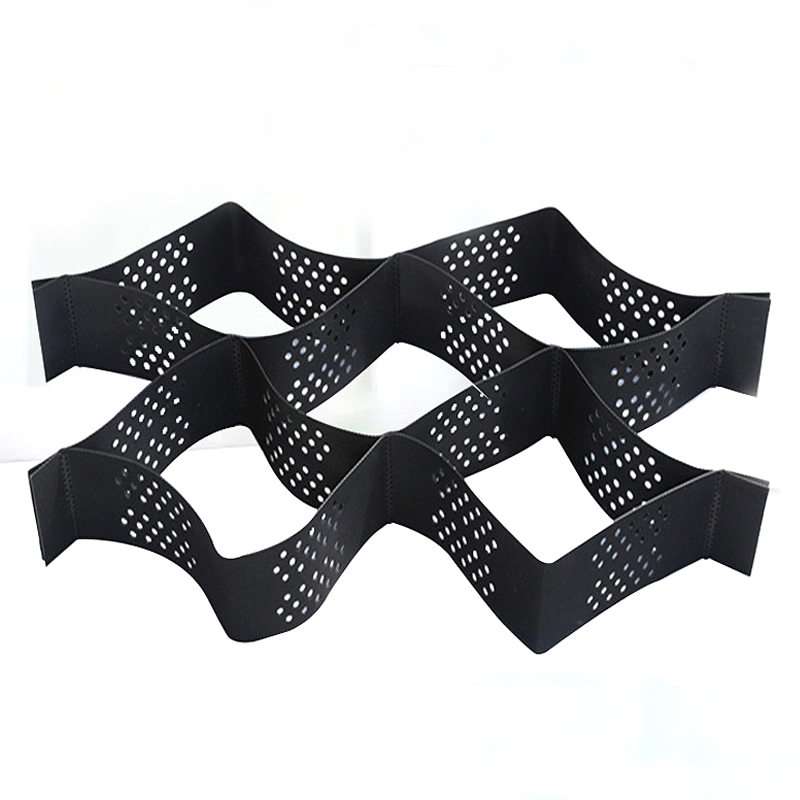
Another factor to consider is how Geocells enhance Load Distribution in Road Projects. When cars and trucks roll down a road, they exert pressure on the ground underneath. It can cause the road to sink or crack if the ground is weak. Geocells serve to distribute this weight over a larger surface. Visualize yourself standing in something soft, such as sand. You could get sucked in if you stand on one point. But if you’re lying down, your weight would be distributed and you wouldn’t sink as much. Geocells do something similar. They distribute the weight of vehicles over a larger area, helping to stabilize the road. This is particularly crucial in softer soils. Using LUDE’s geocells, road builders can create a robust base that is capable of holding up against heavy loads without becoming crushed. This is good news for roads as they can last longer and require fewer repairs. Those are great in heavy traffic. By using geocells roadways can become safer for everyone and keep the terrain smooth, without any risk of dangerous holes and bumps. To learn more about geosynthetics, explore our Geotextile options.
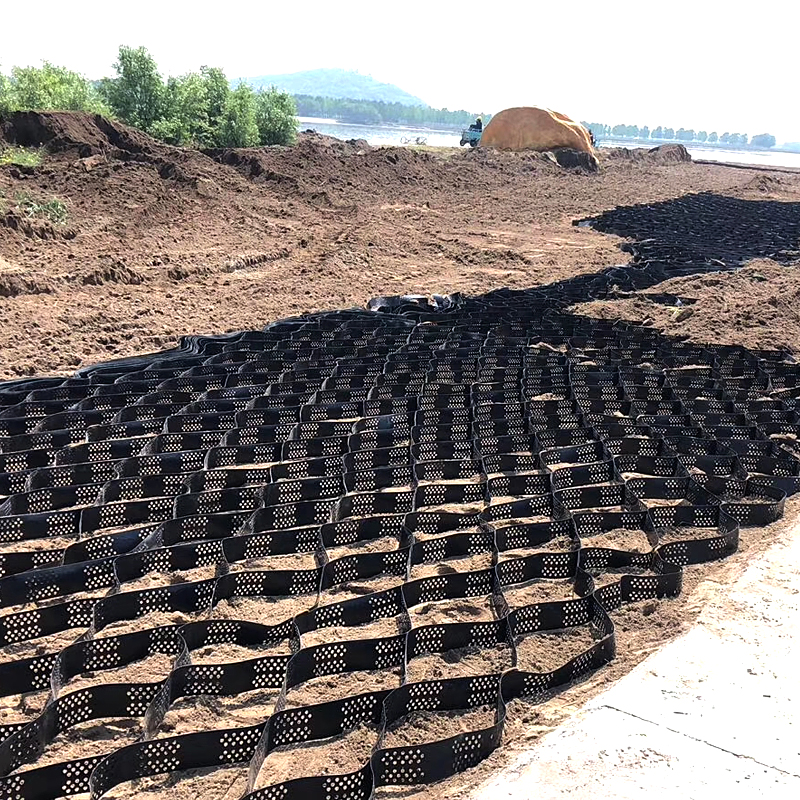
There are a few things to keep in mind when it comes to paved road construction if you want to ensure that geocells work well. The first thing you’ll want to do is to stage the location of the road. This means the grass, rocks or other materials that aren’t soil should be stripped away. When the site is cleared, you should inspect the soil to gauge its strength. If the ground is quite soft, it may require some additional support. From there, you can begin laying the geocell material. Geocells are like honeycombs made of rugged plastic. They come in rolls or panels. You need to unfold the geocells and spread them out on the ground, ensuring that they stretch completely over the location of the road. The edges of the geocells need to be connected together as well so that they don’t shift. Stakes or pins will help keep them down if you prefer. Then fill the geocells with soil, gravel or other media. This is very important because it makes the geocells hold up and be load bearing for the road. Just make sure to fill them evenly and pack the materials down firmly. You can top the unfilled geocells with additional soil or gravel for a finished road surface after the geocells are filled. This top layer will need to be thick enough to hold up under the traffic using the road. Lastly, it’s best to line the surface so that it becomes harder. Then the geocells will have a better chance of doing their job properly and producing a sound base for the road.
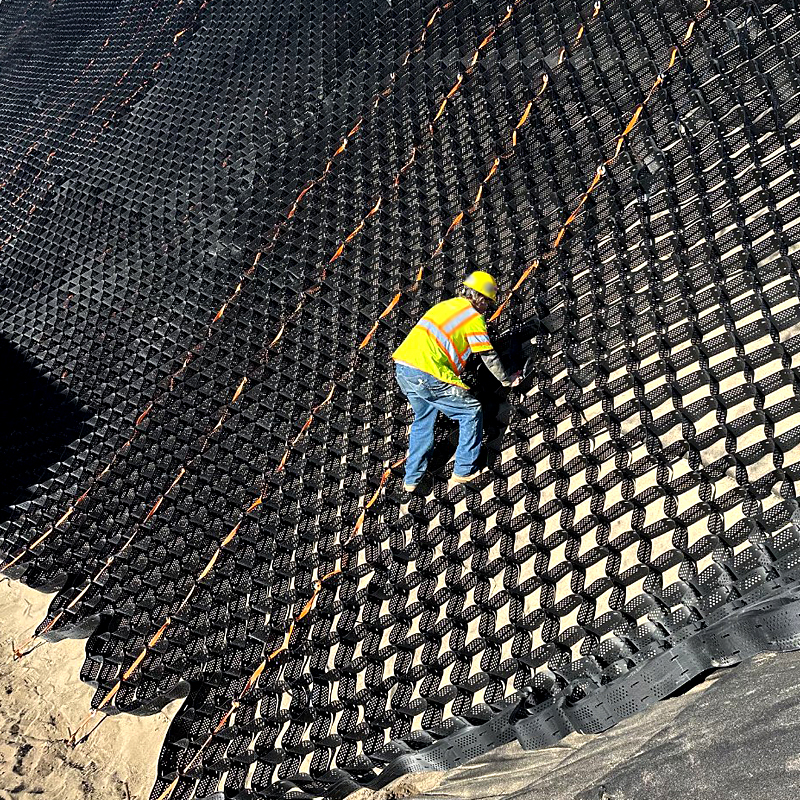
Geocells are a big part of the way that roads are becoming safer and stronger by contributing to soil stabilization. When a road is constructed, the weight of cars and trucks driving over it can cause the ground to shift and sink, especially when soft or loose soil is involved. Geocells help prevent this problem. They accomplish this by forming a strong framework that keeps soil cells from moving. When the geocells are filled with say gravel, it distributes the weight of not only the road but also vehicles across a larger area. This way, the earth underneath doesn’t have to absorb all that pressure on its own. That in turn makes the road less prone to cracking or developing potholes. Additionally, geocells help with drainage. Water, in particular, can wreak havoc on roads — especially if it is allowed to pool on the surface or erode the soil beneath. Because geocells are designed to let water flow through and around the material within them, not on top of them, it is easier for the road to stay dry and strong. It’s also easier to use less material over all with geocells, which can save money and cut down waste. This is environmentally beneficial, too! By stabilizing the soil and increasing drainage, geocells can contribute to roads that have a longer life span and require less repair over time. With geocells, road builders can rest assured knowing they are investing in their community's infrastructure.
 EN
EN