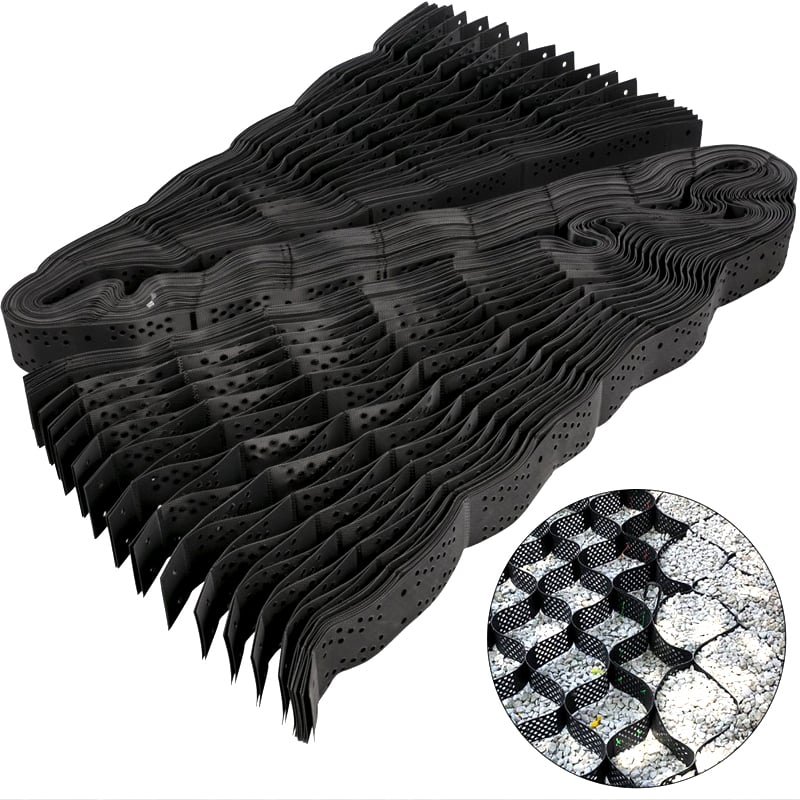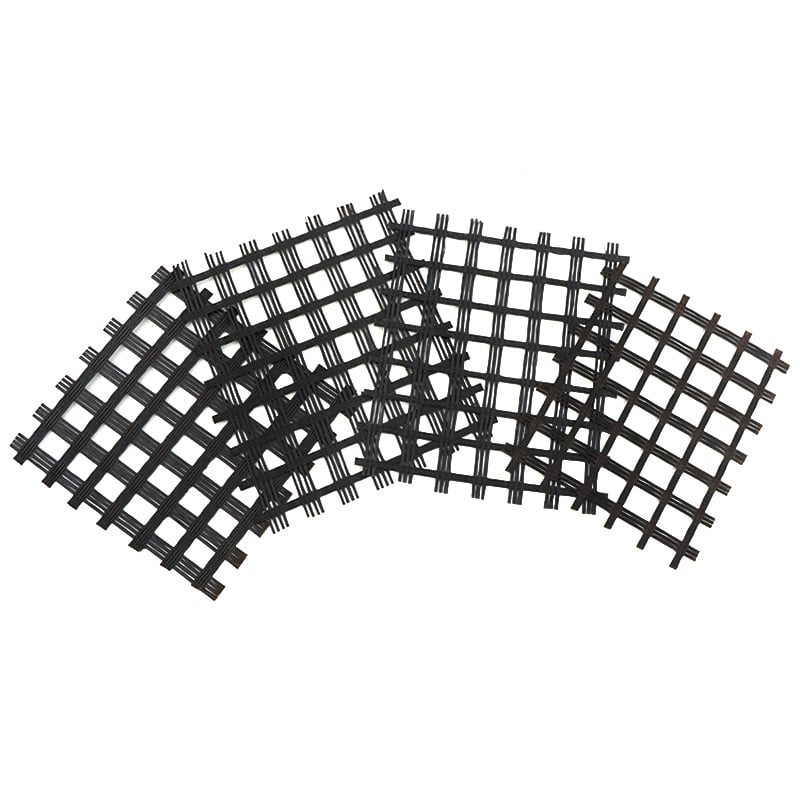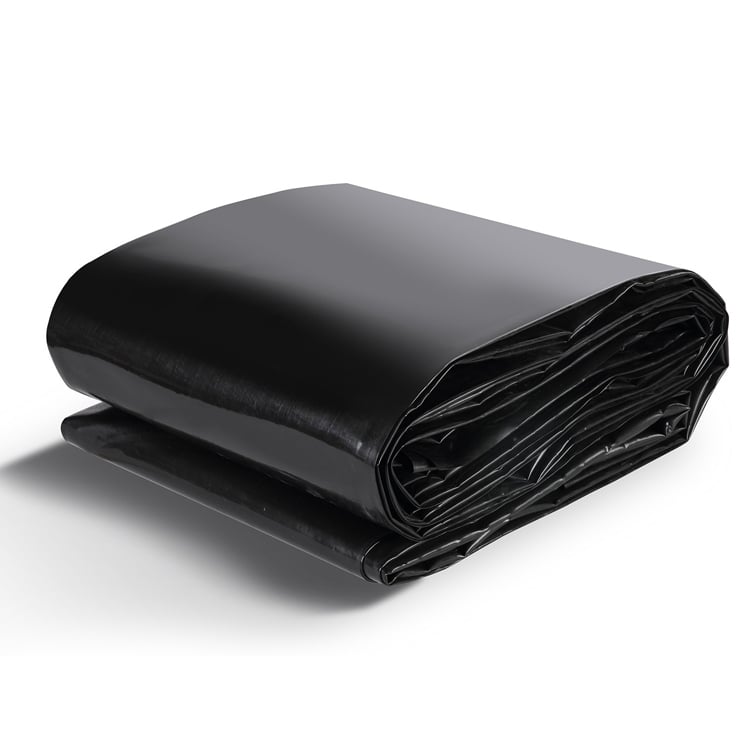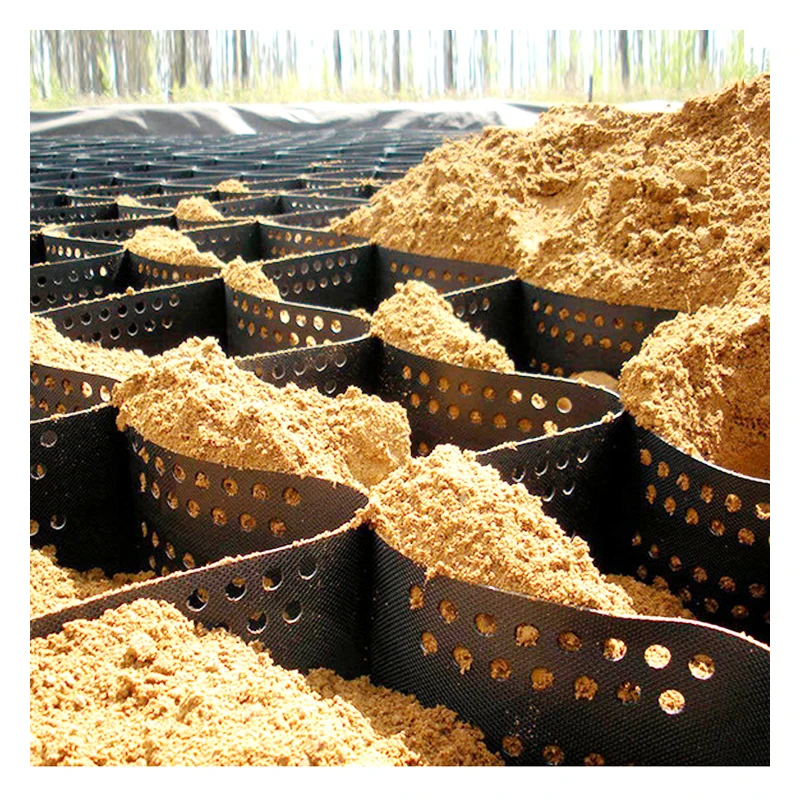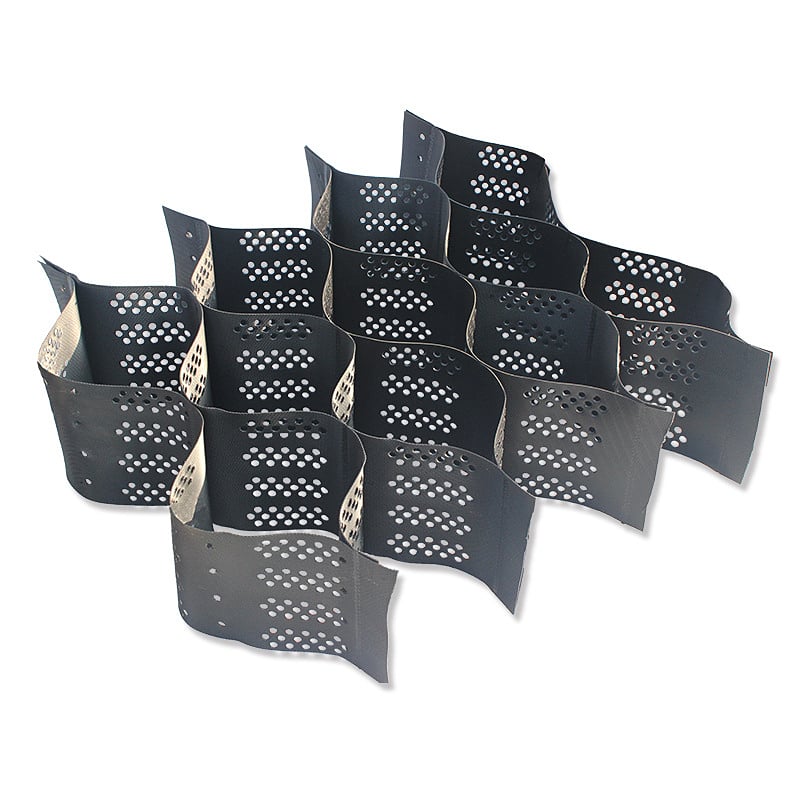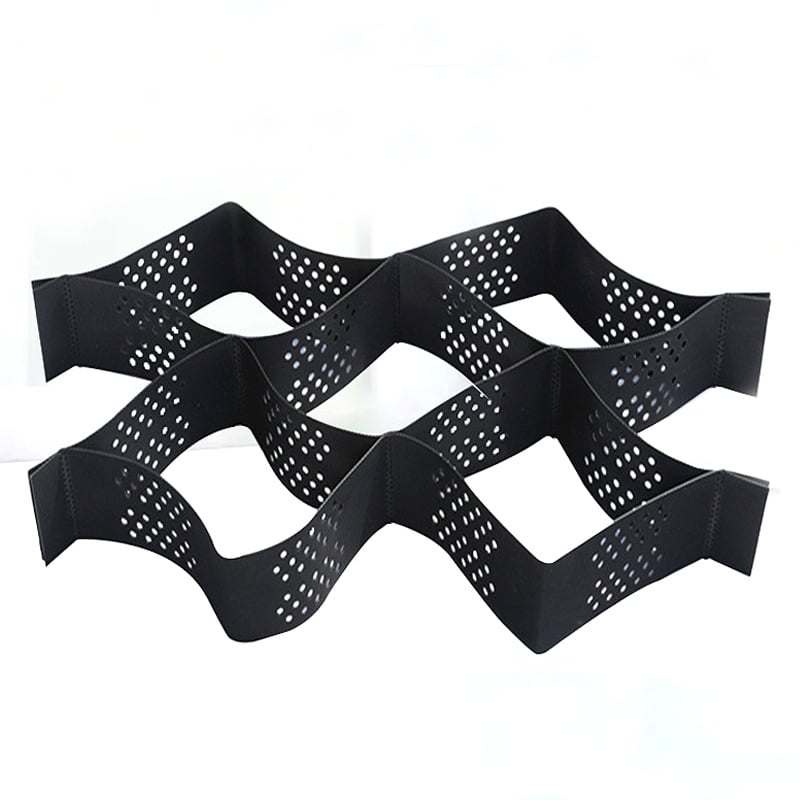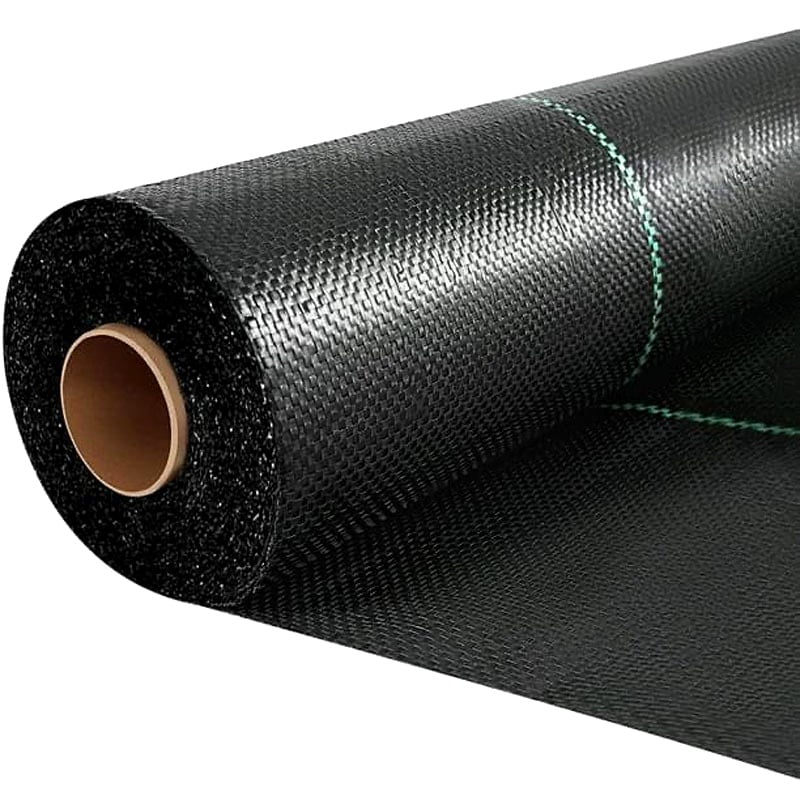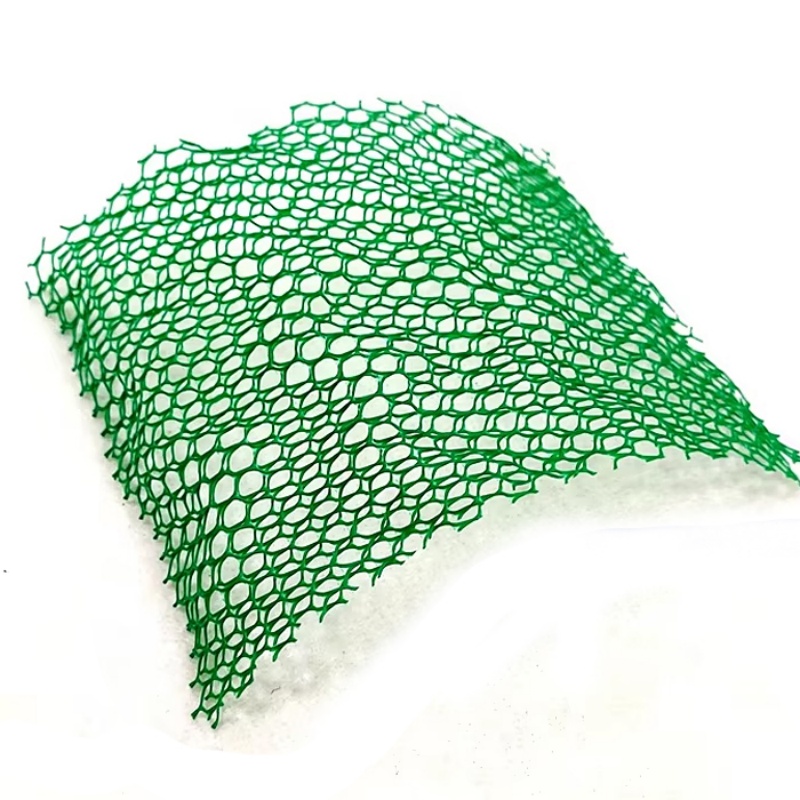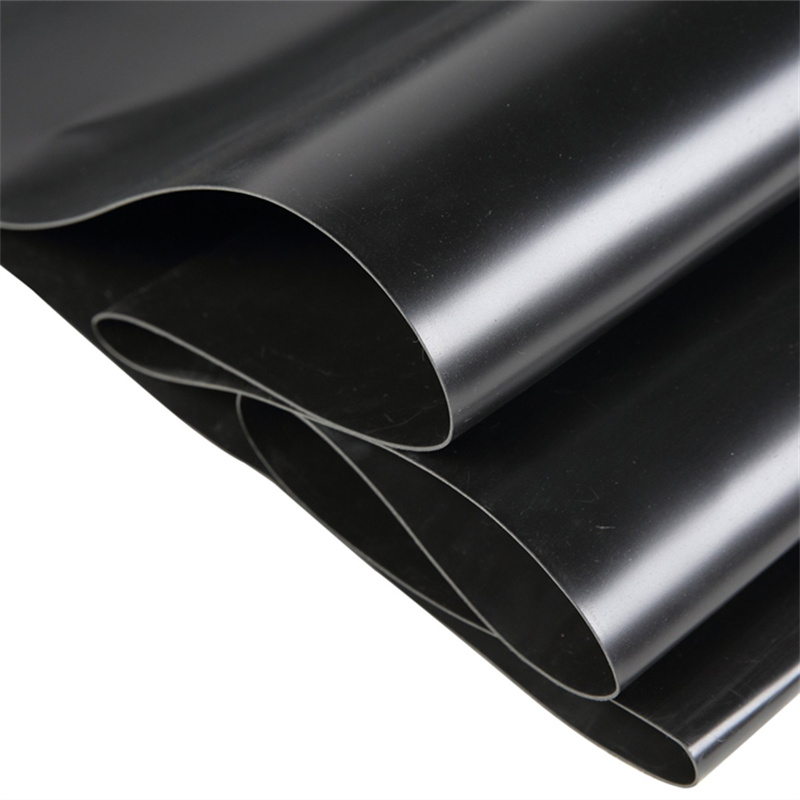
Geotextiles: Special Cloths in Construction There are special cloths used in construction to assist with retaining walls and these are known as Geotextiles. “The LUDE has always been aware of the importance to hold up soil and rocks. A retaining wall is a structure built to keep steady a change in the ground (or sometimes another material) and all of this issue — raised, bound and aslant — makes them prone to erosion from being drawn down by water or gravity. Geotextiles aid by functioning as a filter and allow water to flow through while retaining soil where it needs to be. This is crucial to guarantee that the wall remains sturdy, and doesn’t fail. We discuss some of the typical problems people run into with geotextiles in retaining wall applications, and how they can be beneficial for any retaining wall project.
There are some issues with geotextiles. In other cases, an inappropriate geotextile is selected for the intended application. Different walls have different needs. A wall that has to hold back a great deal of water, for instance, requires a geotextile that can manage such pressure. When the pressure gets put on, the wrong one can cause leaks or even wall failure. Another issue is improper installation. Workers may be incentivized to rush the job, or not heed safety guidelines. Poorly placed geotextile can cause small pools of water to collect and damage your court. It is something that we at LUDE have seen many times in practice. You need to, you really need to take a little time and do it right.” Geotextiles can also be damaged during installation. Blades or heavy equipment can rip the fabric, undermining the wall’s stability. “It’s as if there is a hole in the net, and it will no longer catch everything.” In addition, if soil finds its way into the geotextile it can clog its pores and filtration capabilities. That can make water run the wrong way, and could erode behind the wall. Thus, the selection of the right geotextile and proper installation are important factors. Before deciding to build your own retaining wall, you must thoroughly consider these issues, and LUDE urges you to think twice before working on a retaining wall.
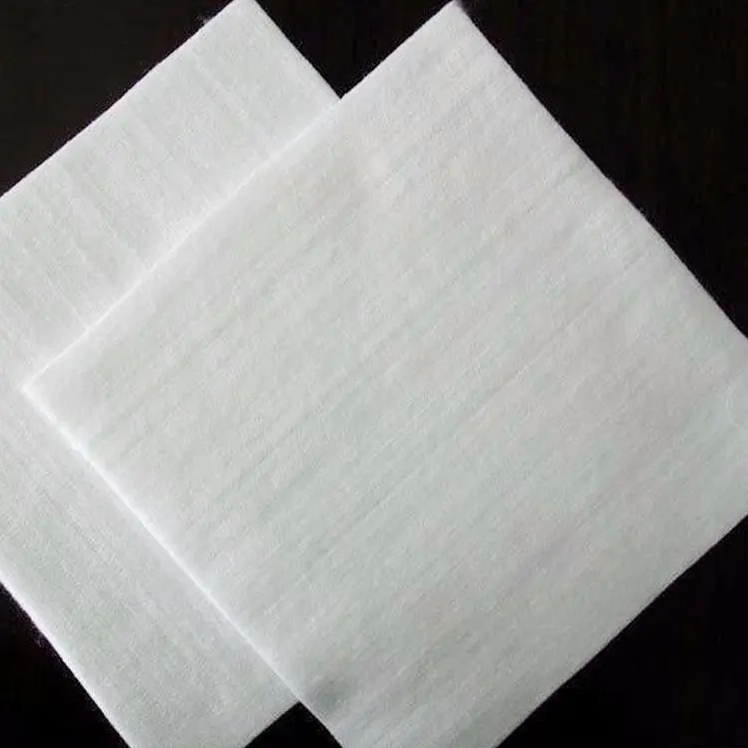
There are a number of reasons why geotextiles are crucial for retaining walls. First, they help with drainage. You know, when it rains, water has to run off somewhere. Water that gets trapped behind the wall will create tremendous pressure on it and eventually cause it to fail. Geotextiles let water through but guard against soil erosion. This is what helps the wall remain steady. Second, it preserves the structures from evanescence. Over time, soil can wash away, especially if it is very rainy. Geotextile is a protective layer designed to stabilize the soil. This is an experience LUDE has had on multiple projects. Third, geotextiles contribute to the overall strength of a retaining wall. When used properly, they can provide support and assist in distributing weight. That means the wall can carry more soil without failing. Additionally, they are cost-effective. The use of geotextiles can eliminate the need for heavy construction materials, making building quicker and less expensive. Lastly, they are environmentally friendly. They also manage water flow and prevent erosion, a boon to the environment. It’s actually a smart and considerate move, using geotextiles in these retaining walls. At LUDE we believe in using quality materials to get the job done, and geotextiles is certainly one of them – it’s incredible how much of an impact they have on the long-term performance of any retaining wall.
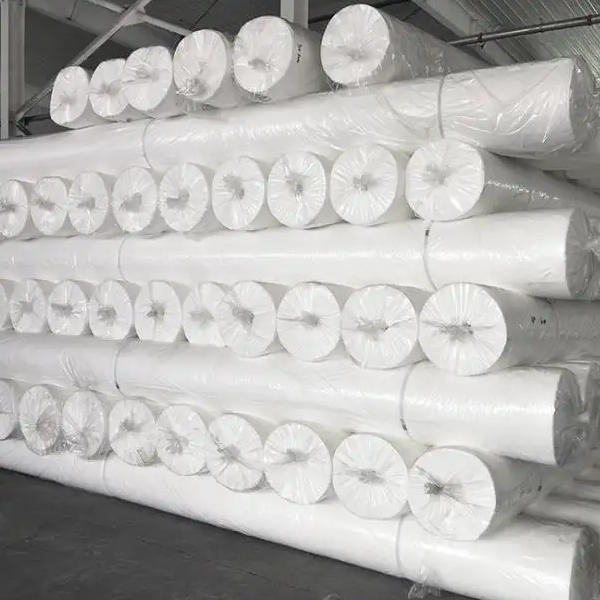
Where to Get Your Geotextile When you’re creating a retaining wall, it is important that you find the right geotextile suppliers. Geotextile is an unique type of fabric that is used to contain soil and water. It has the ability to hold soil in place, protecting it from erosion. If you want to discover the best suppliers, go online. Websites such as LUDE have numerous types of geotextiles that work great for the almost-perfect walls. With a little bit of effort, you should be able to quickly find local stores or suppliers that specialize in landscaping or construction materials. Meeting these places can help you see the products in person. Once you’ve located a supplier, inquire about their geotextiles. It’s important to understand what type of fabric they use, how durable it is, and whether it will be suitable for whatever specific project you have in mind. Good suppliers don’t mind sharing and assisting with selection of proper geotextile. Search for other customers’ reviews. This is an indication of how good the supplier takes care of their customers and the standard of quality their products have. You can read them on websites or node to the reviews of users in the social networking. If possible visit with people who have used geotextile in their retaining wall(s). Already they can share their experiences with recommended suppliers. You can also attend construction trade shows or local home-improvement fairs. Often such spectacles include trade stands selling you the geotextile and other building materials. You can chat directly to them and compare products. Don’t forget to ask if the supplier provides deliveries, as you may be getting a lot of geotextile at one time! This may save you time and effort from completing your project. You may have to do a lot of research and ask many questions but you can get the best geotextile suppliers such as LUDE and others for your retaining wall.
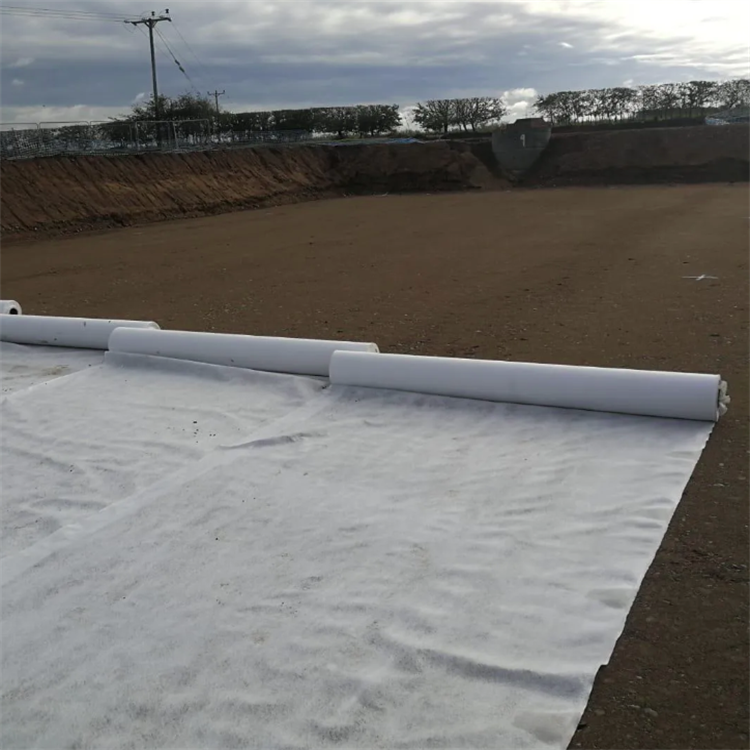
Geotextile installation for a retaining wall is an important step which can extend the life of your wall and help it perform better. The first step in construction is to get the area ready for the retaining wall. For any rocks, plants or other debris remove them from the area. You definitely want a clean surface for the geotextile to lie against. Then measure the space to determine how much geotextile you will need. LUDE comes in a variety of sizes, so opt for the one that fits your project. As soon as you have enough, begin laying the geotextile. Insure that it spreads to the full area behind the wall. It will also need to slope outward diagonally from the wall and extend just a few feet at its base to help with drainage and keep soil from washing away. Once the geotextile has been positioned, anchors with stakes or pins. This will prevent it from shifting when you start adding your soil or rocks. Now you need to backfill — that is, add soil or gravel behind the wall. AVOID adding the material all at once; YOU will want to do so in a SLOW and UNIFORM way. If you dump too much material at once, you can harm the geotextile or the wall. As you fill, be sure to tamp down the soil or gravel. This helps with removing air pockets and makes the wall more solid. Once you are done backfilling, confirm that the geotextile is properly in place. If it is, reposition it if necessary. Finally, once everything is in place, you might want to top off whatever part of the geotextile that is exposed with a thin skin of soil or some kind of mulch. This would keep it out of the sun and clothing. Taking these steps will help your retaining wall function properly and last a long time.
 EN
EN