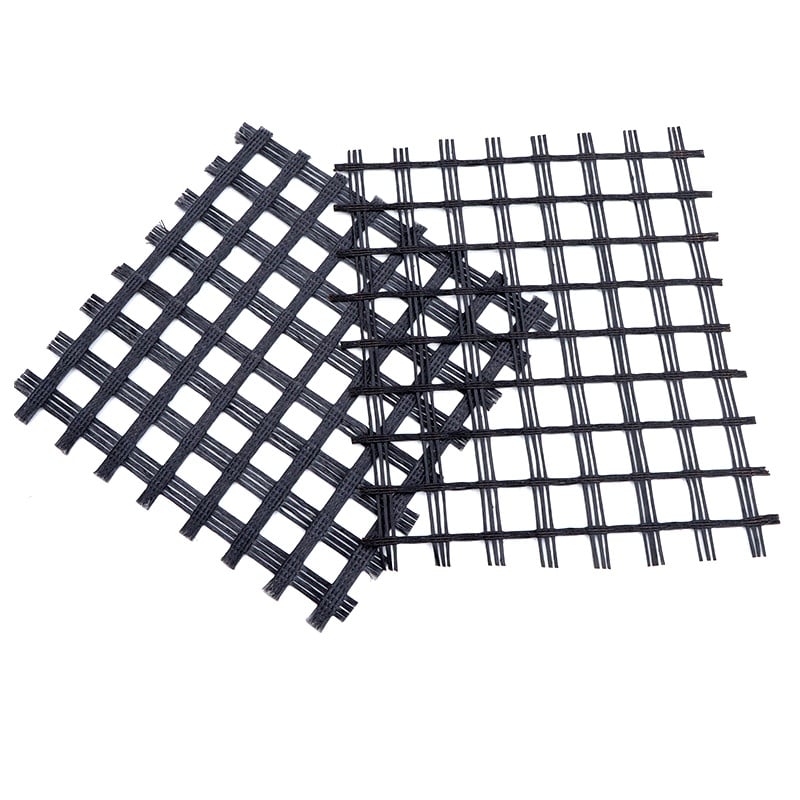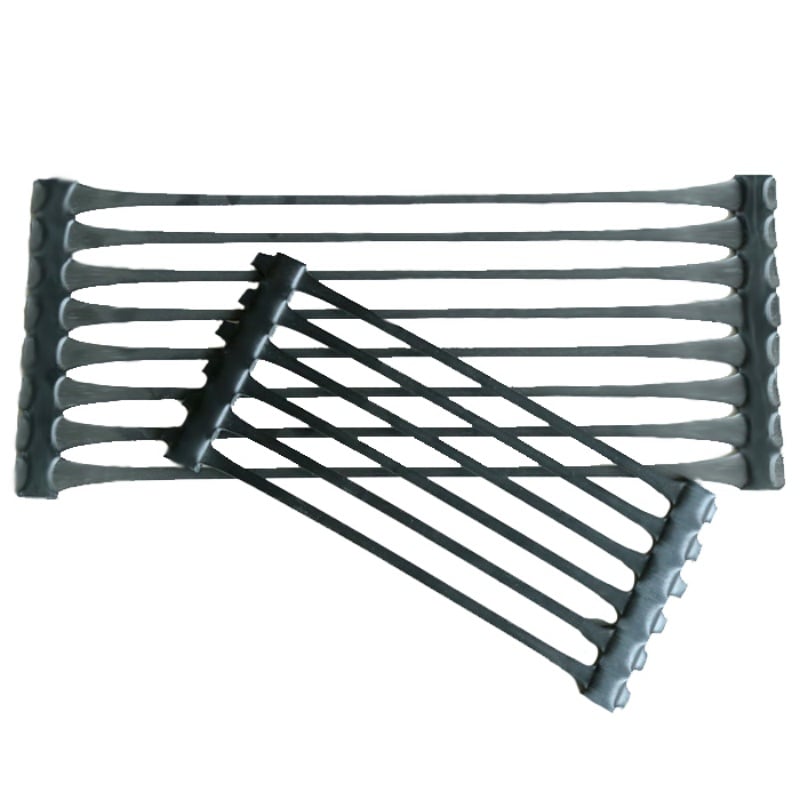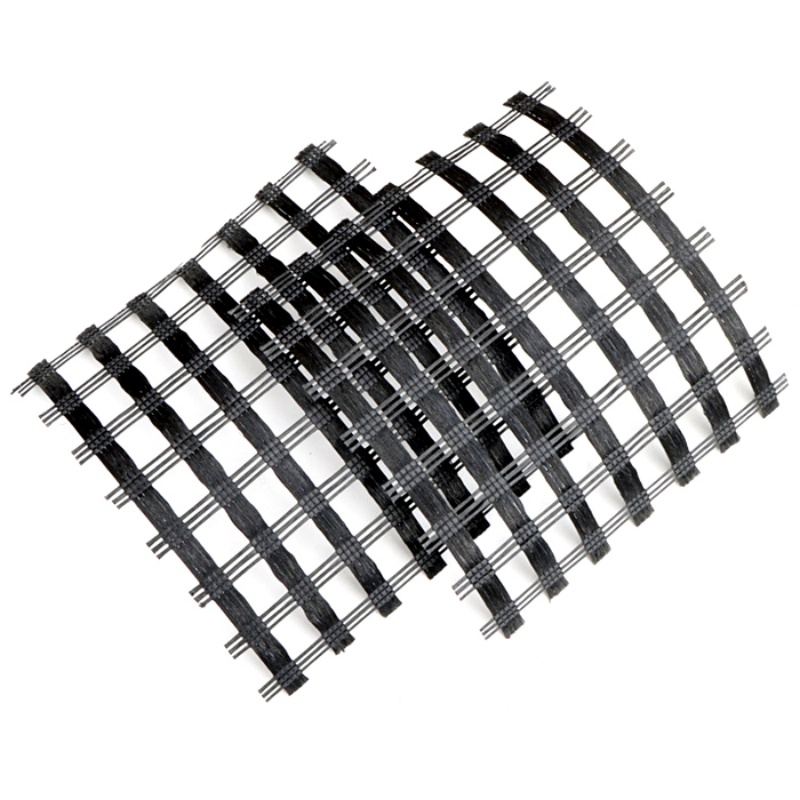
PP biaxial geogrid is a engaging material which used for construction to increase stability of base and reduce the needs of costly aggregate. This product from ROAD is made with polypropylene, a tough and long-lasting material that can handle extremely heavy loads., we'll examine the benefits of PP biaxial geogrid and how to use it in your construction project effectively.
PP biaxial geogrids feature all the benefits which makes it an ideal product for construction applications. One of the greatest characteristics of this material is its tensile strength, big enough not to allow any localized loads distribution and avoid settlement. Such PP biaxial geogrid is resistant to chemicals and UV rays, which means it will be a lasting solution for soil stabilization and erosion control. Another benefit to PP biaxial geogrid is that it bends and molds to the terrain so support is provided where necessary. In general, it provides an economical means of increasing the structural stability and longevity of construction works. This makes it highly compatible with other geosynthetics such as Polyester filament nonwoven geotextile which often complement its performance.
There are a number of dos and don’ts that should be considered while using PP biaxial geogrid in construction activities. First and foremost, the ground must properly be prepared - compacted and leveled - before placing the geogrid. This will provide a steady base for the mass to be placed. Then place the grid in the right direction, where ribs are perpendicular to the load direction. This can optimize the strength and load-bearing capacity of the material. M A Roberts Finally, be sure to double the edges of the geogrid so as we end up with a EÜUÿ'VXUU reinforcement system and not weak points in the construction. With the above steps, it is easy to make use of PP biaxial geogrid in order to improve the long term stability of your projects. Additionally, integrating a Safety Fence system can enhance site safety during installation.
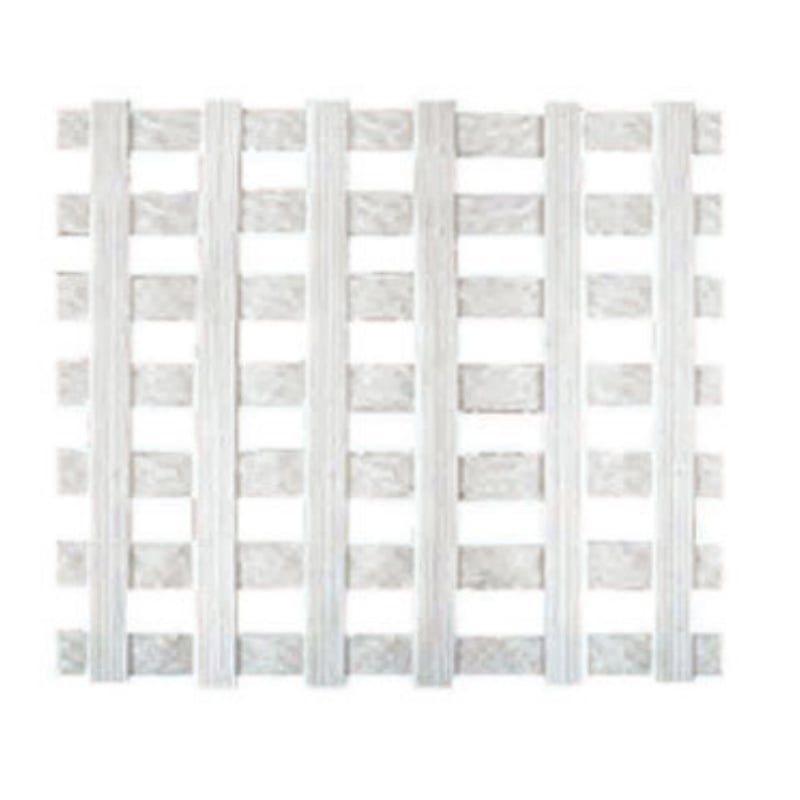
In construction projects, ROAD PP biaxial geogrid can bring numerous advantages. Amongst its best features is that it is solid and strong. The biaxial geogrid is made from polypropylene which has good heat resistance and cold resistance. This means it can offer significant support to soil, and is useful in stabilizing embankments and deterring erosion. For further soil reinforcement, combining PP biaxial geogrid with a 3D Geomat can provide enhanced structural integrity. Additionally, using compatible PP biaxial geogrid materials alongside can improve overall performance in soil stabilization projects.
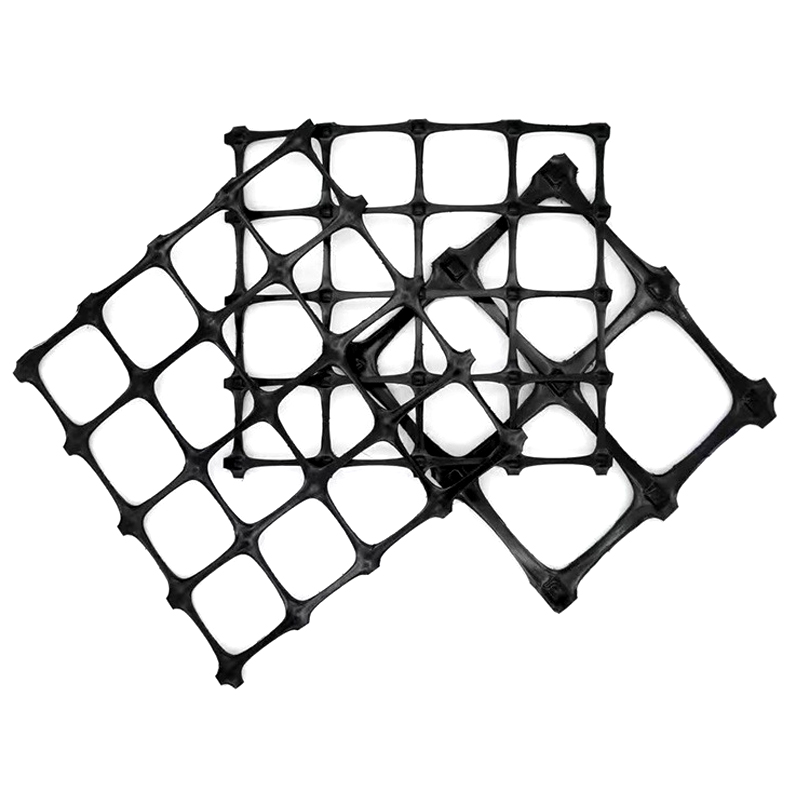
Although PP biaxial geogrid brings a lot of advantages, but usage would also find some common problems. One problem is that they are being installed improperly, which results in inadequate reinforcement and stability. 15. Consequently, it is important to ensure the proper installation in accordance with manufacturers' requirements and that geogrid has been adequately anchored before securing retainment systems or placing overfill materials.
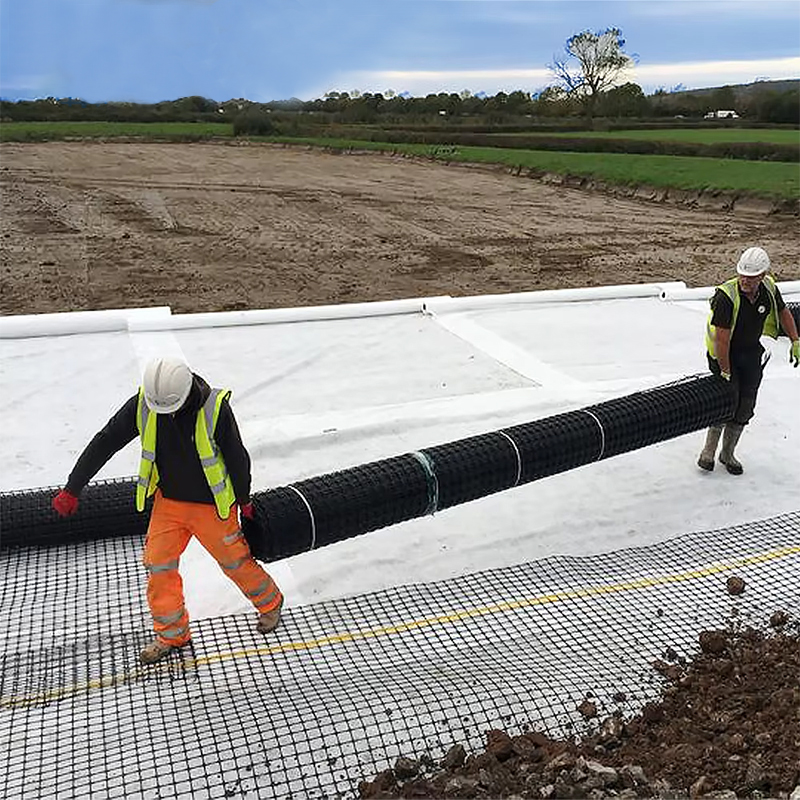
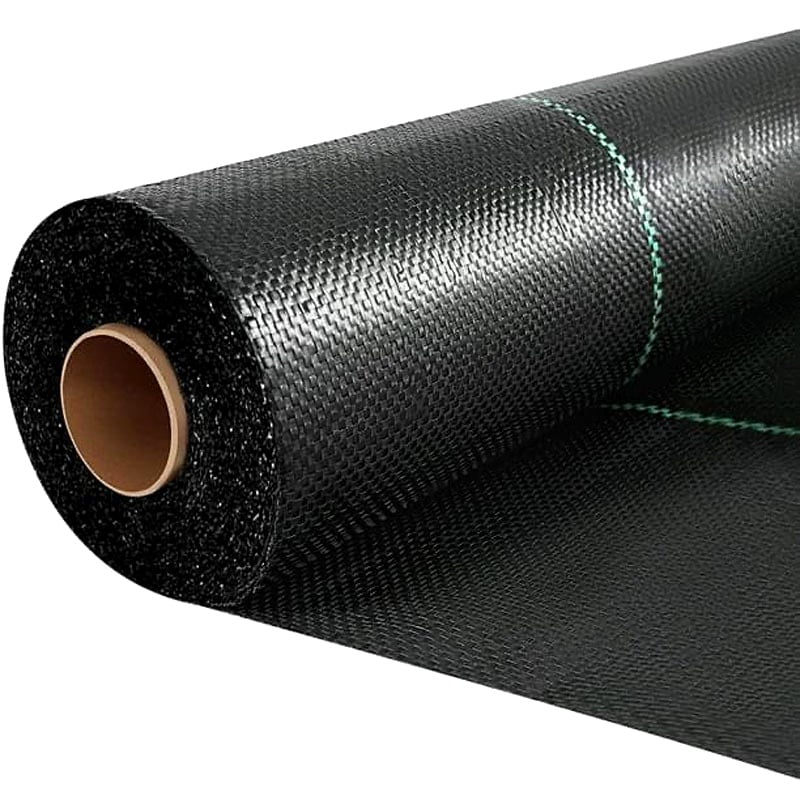
Poor Subsoil Preparation The other problem with PP biaxial geogrid is poor soil preparation. If the soil is not compacted to a sufficient degree or graded prior to placement, the geogrid alone may not impart structural strength. To avoid this, the sub-grade should be well compacted and good quality for paving installation of the geogrid. To learn more about similar materials used in construction, you can explore our detailed guide on Woven geotextile.
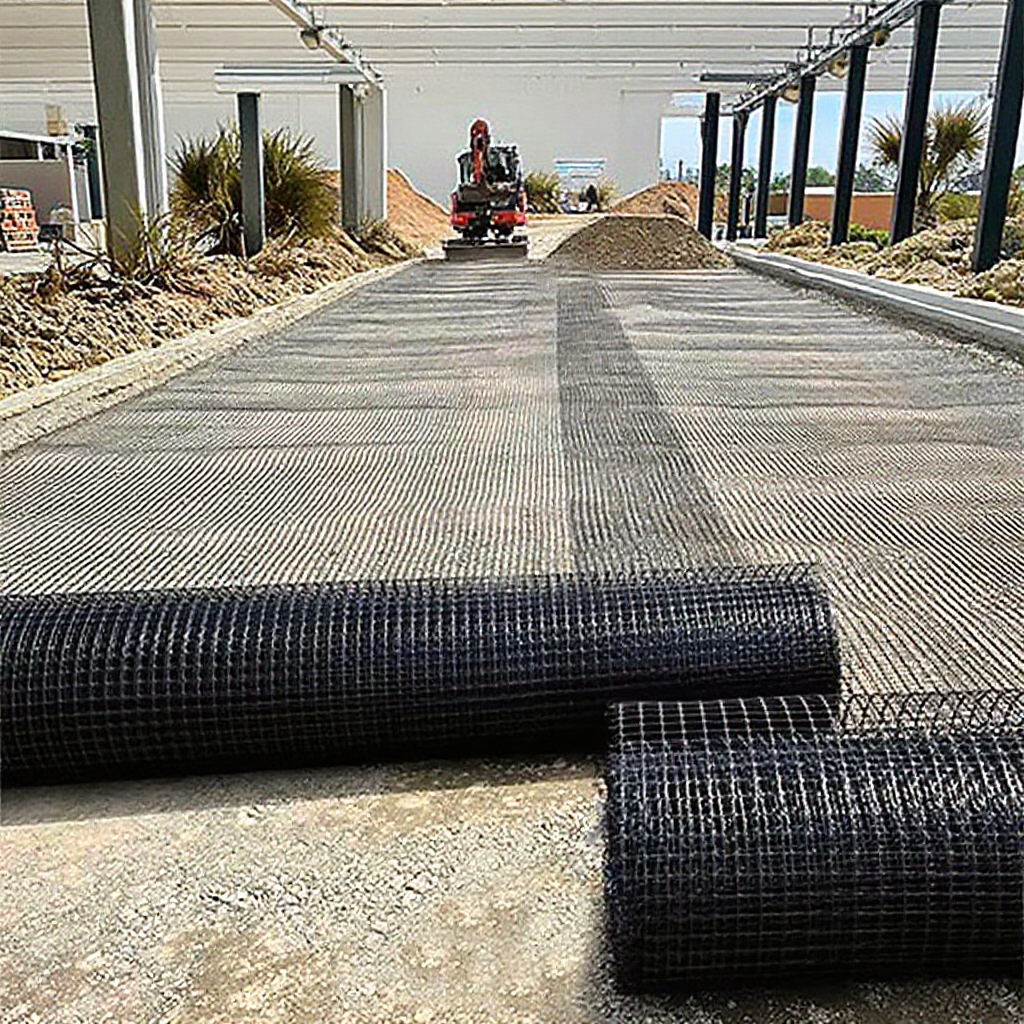
Here are the critical features you should be looking out for when selecting a PP biaxial geogrid for your construction project. One significant feature is the tensile strength of the geogrid. The higher the tensile strength, the better reinforcement and stabilization to the soil due to geogrid strength.
 EN
EN