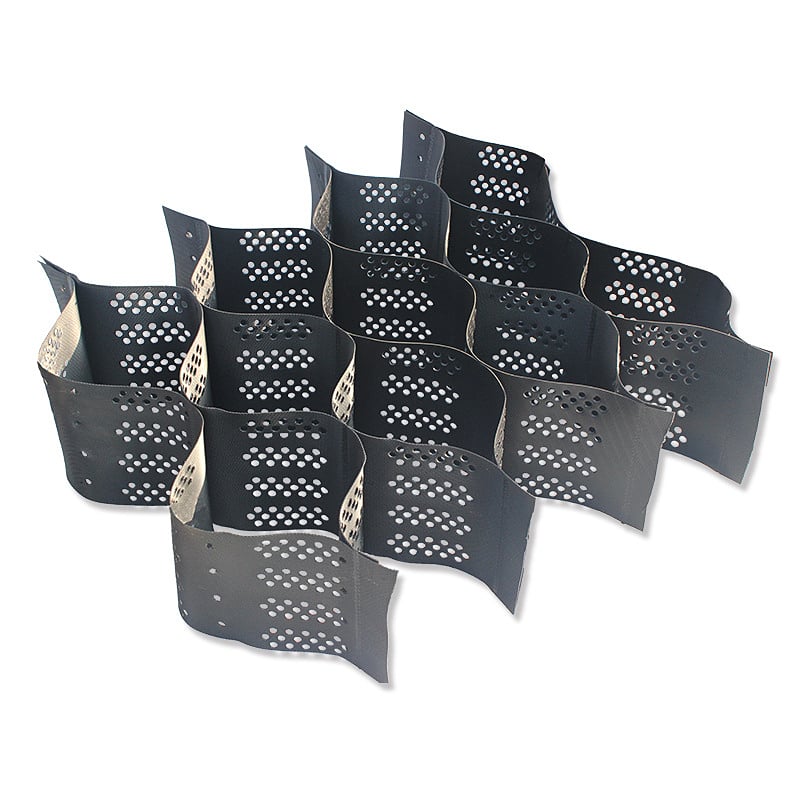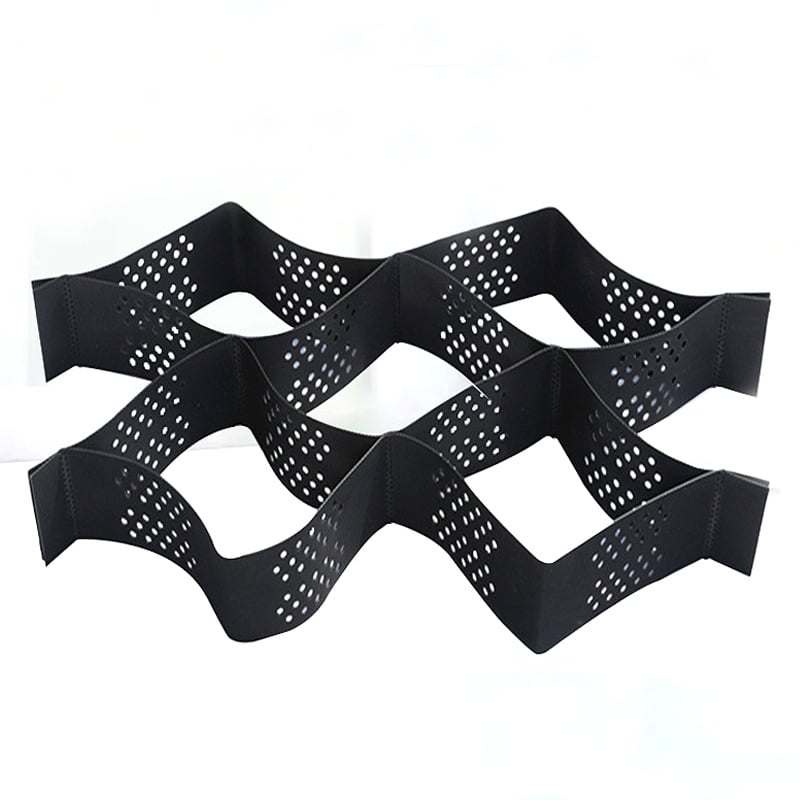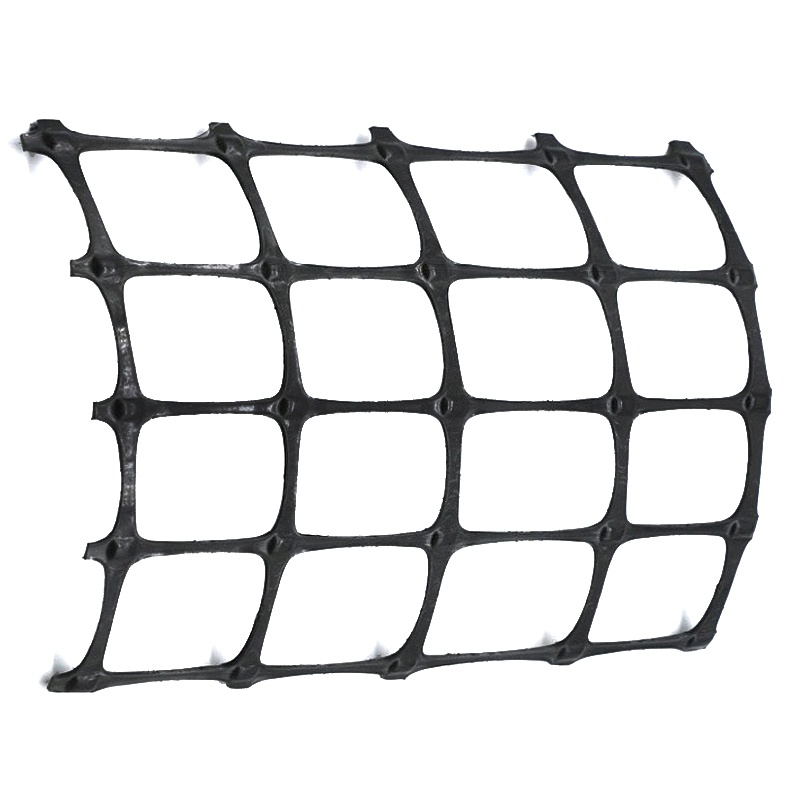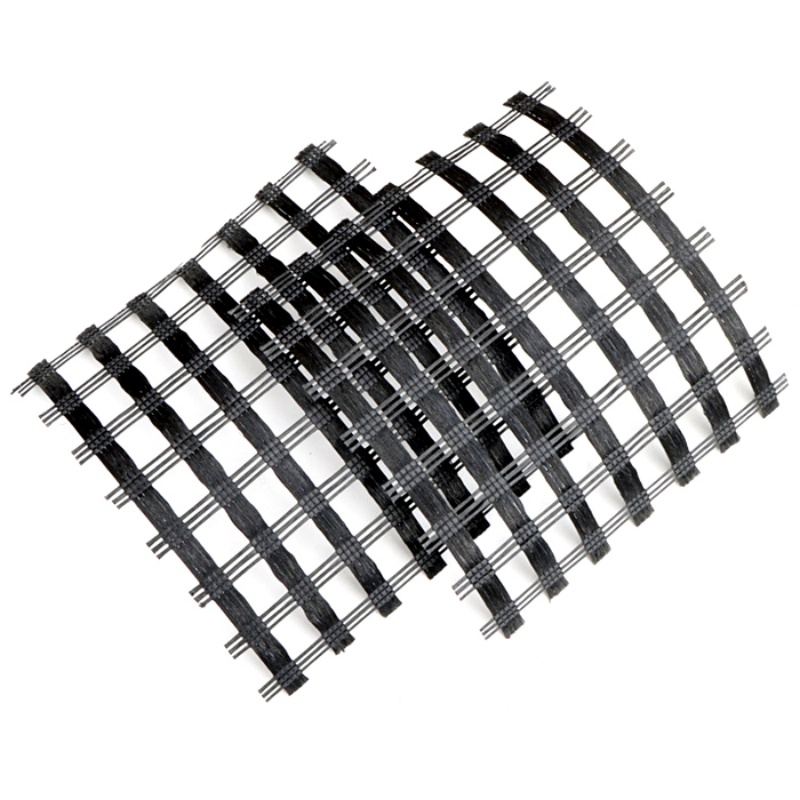
Driveways Benefit from a Drainage Grid In their most basic human-made block, the edges of each grid are designed to rub against one another. They then aid in controlling the water that pools on top. Water will form puddles and may even remove soil when there is a lot of rain. This is bad your driveway. LUDE sells all-metal drainage grids of good quality that can alleviate these problems. By utilising these grids you can keep your driveway safe and looking fantastic for many, many years. They are meant to let water pass through while holding the earth in place. Let’s discuss how drain grids can help prolong the lifespan and enhance functionality of driveways and what some common problems are that they may solve.
Drainage grids are sort of like special mats that you put in your driveway. They have holes that allow water to flow through. In the event of rain, as opposed to resting on top and creating a puddle, water will pour through the grid. This helps to maintain the surface dry. A dry surface is critical because water can break down the materials in the driveway. For instance, if you have a cement driveway, pools of water can create cracks. These fissures can cause bigger issues that result in having to replace the entire driveway. LUDE drainage grids are a way of preventing that. They also help prevent the driveway surface from becoming too dirty. As water washes away, it carries along dirt and debris. That means less clean-up for you. And when the water runs away as it should, it will make a stronger driveway for longer use. You will not have to shell out a lot of money for repairs down the line. Just think how great it will be to have a driveway that looks fantastic and that is low-maintenance! You are even able to park your car without fear of being rammed. Rain, snow and all weather conditions can be handled by your driveway. LUDE drainage grids are a great solution for those who want to ensure their driveway remains in good condition.
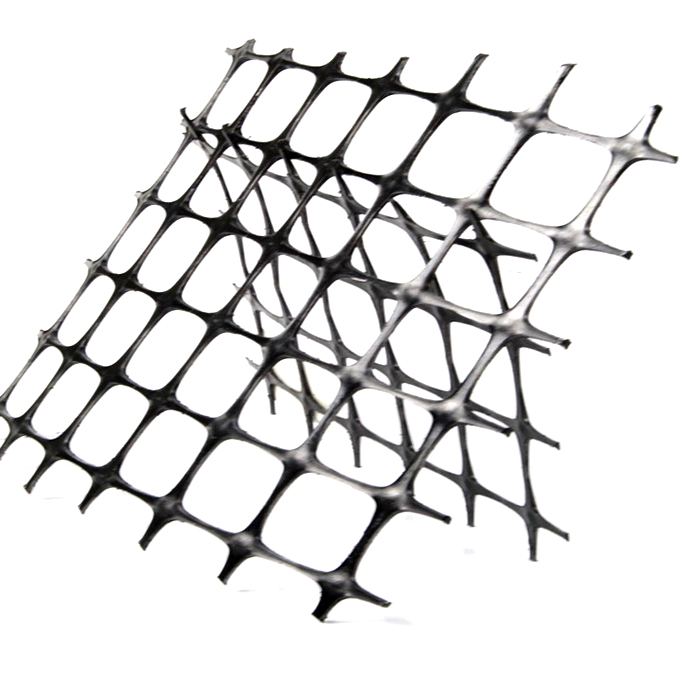
Driveways present numerous problems that a drainage grid might assist in solving. One big issue is flooding. Lots of rain, and the water will bubble over and flood the driveway. This can make pulling in or out difficult. With drainage tiles, the water can run off easily to prevent flooding. This means you can still use your driveway even after a heavy rainfall. Another problem is erosion. Erosion occurs when rainwater runs off and carries away the soil and materials that surround your driveway. This can result in unsafe holes and uneven surfaces. The drainage grids help in regulating the water flow which keeps the soil around the driveway safe. And if your driveway is gravel, the drainage grid will hold back the gravel. Without such, a rain can remove away the gravel, and what you get is bare spots. LUDE drainage grids prohibit the gravel from sliding around, your driveway will be neat and clean. Finally, water will attract pests such as mosquitoes. If you enjoy being outside, this can be frustrating. Drainage grids prevent water from pooling on the surface. That should be fewer pests to contend with. Drainage grids are a way to solve all these problems on your driveway and make it a more pleasant place. Now actually use your driveway and don’t worry about the heat, cold or bugs!
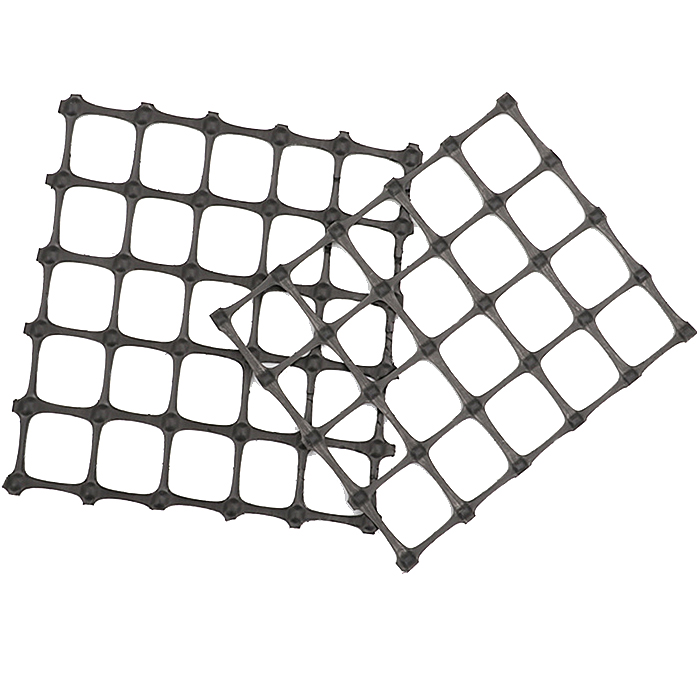
Drainage grids are crucial when it comes to maintaining your driveway in good condition. These grids assist in gathering and directing water from your driveway. This can be quite useful in the rain, or as snow melts. When water pools on your driveway, it not only accumulates in puddles and damage the surface but can also make it slippery. Drainage grids can be a little fiddly to install but with good planning and the appropriate kit, anyone can do it. You will want to start by selecting the right kind of drainage grid. LUDE has many options available and can be fit to most driveways. When you have your grids, start by marking the location on which you want them. Choose areas where water collects when it rains. You can edge these areas with stakes and string. Next, you’ll want to dig trenches for where the grids will sit. Confirm the trenches are deep to place the grids at level with your driveway surface. A general rule of thumb is to work down about 3 to 4 inches. You should add a layer of gravel to the bottom of the trench after digging. This will keep the water flowing. Lay the drainage grids on top of the gravel and ensure it’s a good fit. Once they are in position, use additional gravel to fill any gaps. This serves to maintain the grids in place and provides for the flow of water there through. Finally, test the system by dousing some water over your driveway. Just be sure the water flows into those grids and not onto your driveway. Fitted correctly, LUDE drainage grates can make a difference to the safety condition of your driveway.
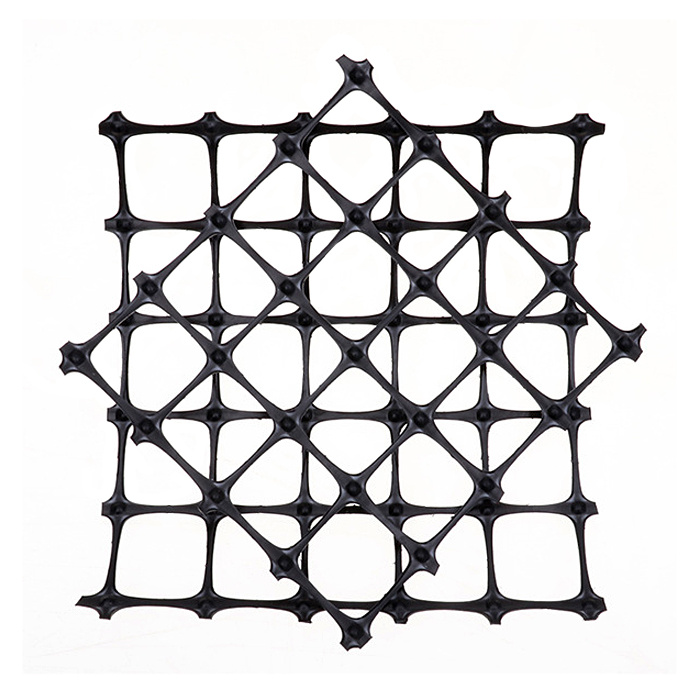
The quickest way to put drainage grids in the right places on your driveway. The ideal spots tend to be the places where water accumulates most. You may be able to find low spots or areas where water accumulates when it rains. These are strong signals that drainage grids would come in handy there. The other main area is the perimeter of the driveway. The most water can drain off the driveway and accumulate into mud or erosion. These will catch the water and drain it out along the edges. Also consider any outbuildings, such as a garage or shed. When water runs down into these buildings, it can cause damage in the long run. Cages over them can help protect your property. It’s also worth considering your driveway slope. Wherever your driveway slopes toward the street, you may want to place grids over drains at low points to intercept water before it runs off. LUDE drainage grids can be assembled in any shape to match the contours of your driveway, so no matter the configuration, these will work. You can also think about adding more grids in locations where you park your cars. This is to avoid water getting collected underneath the cars. If you carefully plan where to place these grids, you can keep your driveway both safe and dry so that you can drive in and out without having to worry.
 EN
EN