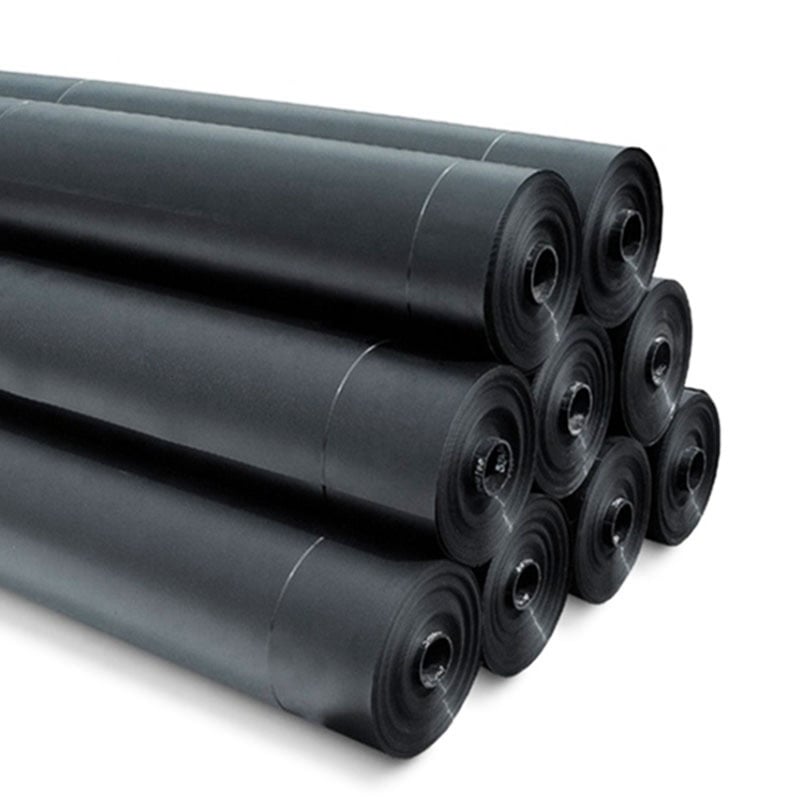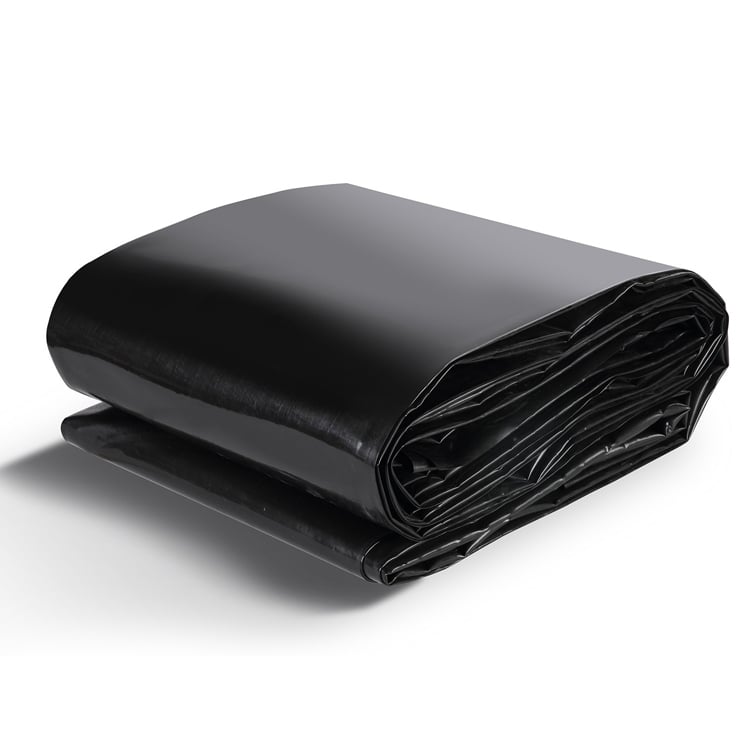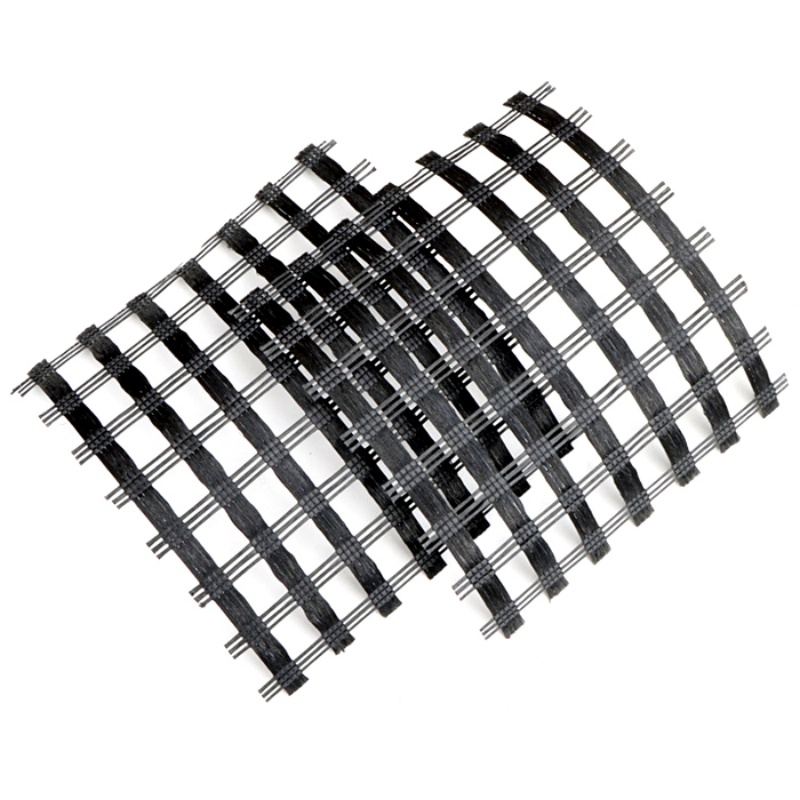
High Density Polyethylene (HDPE) Geomembrane is a widely used material in many types of containment applications. It is a flexible type of plastic sheeting with high-density polyethylene which is strong and incredibly resistant. The liner is utilized for disposal sites, ponds and the like where confinement of fluids or waste matter transpires. For enhanced containment solutions, many projects also incorporate HDPE Geomembrane products.
One of the outstanding features high density polyethylene material is due to their tough and flexible properties. It’s also durable enough to roughed though temperature changes or expo... sures to UV. This is what makes it great for outdoor use over the long term. The geomembrane is also resistant to chemicals, which is suitable for application in places featuring chemical contamination. It is also flexible to be fit to the shape of the area being lined and to provide a tight containment system. In addition, the high density polyethylene geomembrane is convenient for operation and easy to install, thus the construction period is shortened and labor cost reduced. In some cases, combining the geomembrane with a Woven geotextile can improve overall durability and filtration.
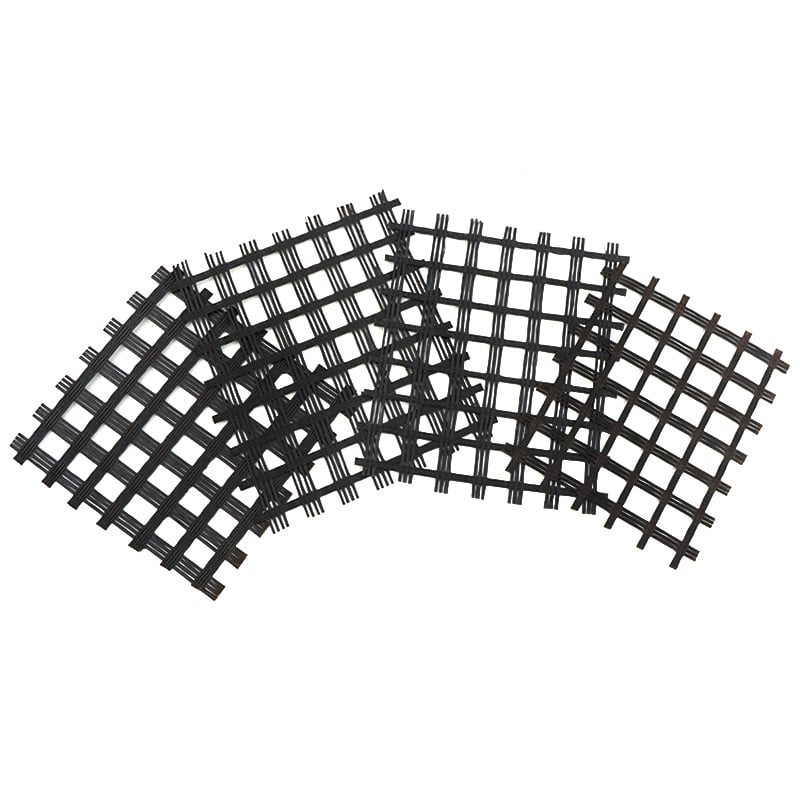
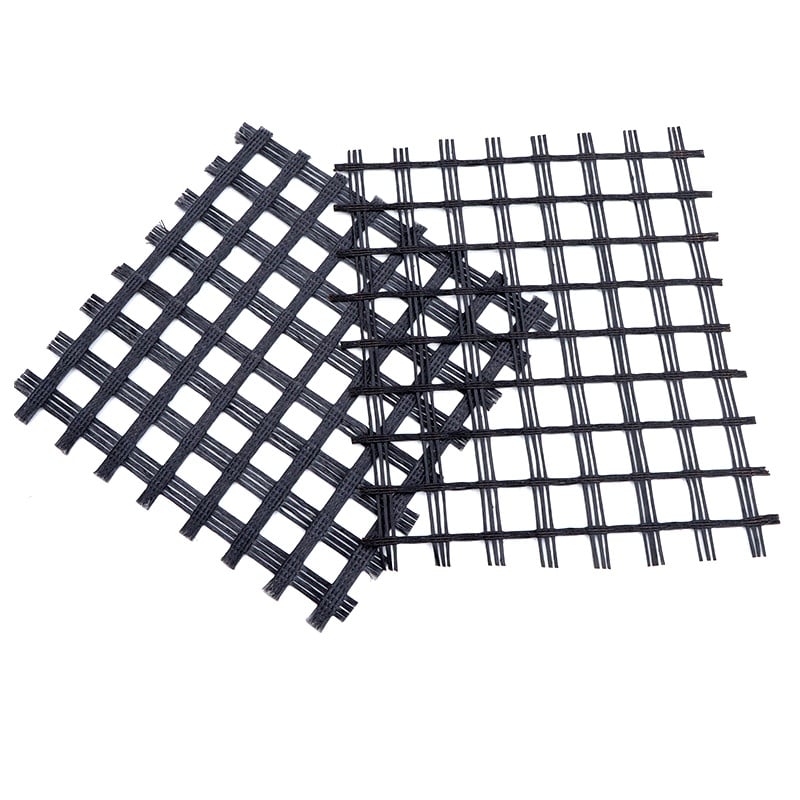
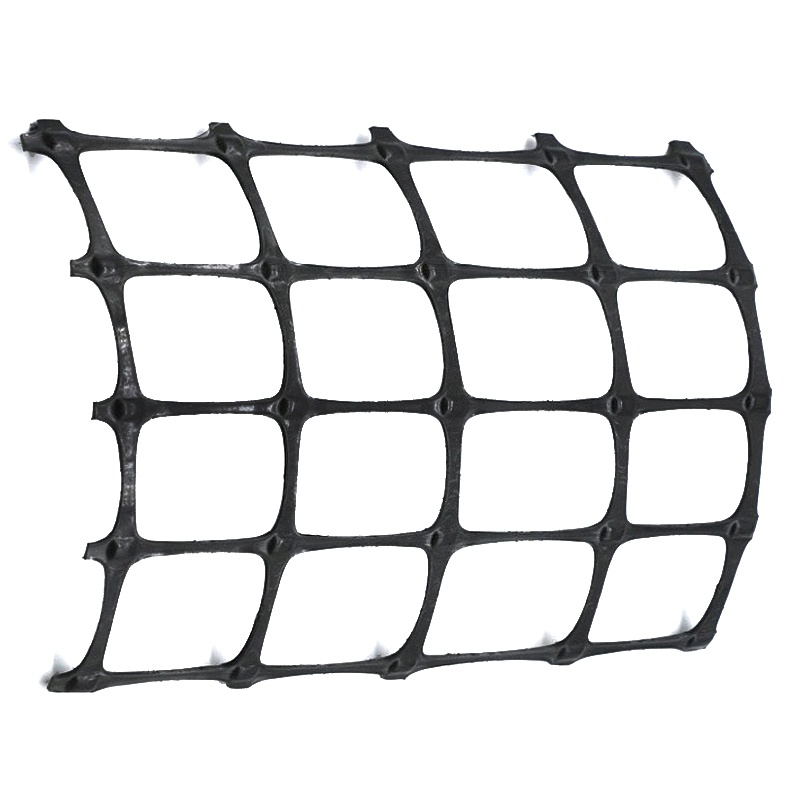
Surveillance high density polyethylene geomembrane can be found in some specialist industrial manufacturers of the production of geomembranes. These businesses have a huge emphasis on quality control and utilise state of the art processes for manufacturing to guarantee robustness and reliability in their products. Construction materials and commercial equipment suppliers may also have HDPE geomembrane for sale. The success of your containment project depends on you spending time, doing research and selecting a geomembrane supplier that has experience in providing the highest quality geomembrane products. Additionally, choosing the right complementary materials like a PP biaxial geogrid can enhance structural stability in certain applications.
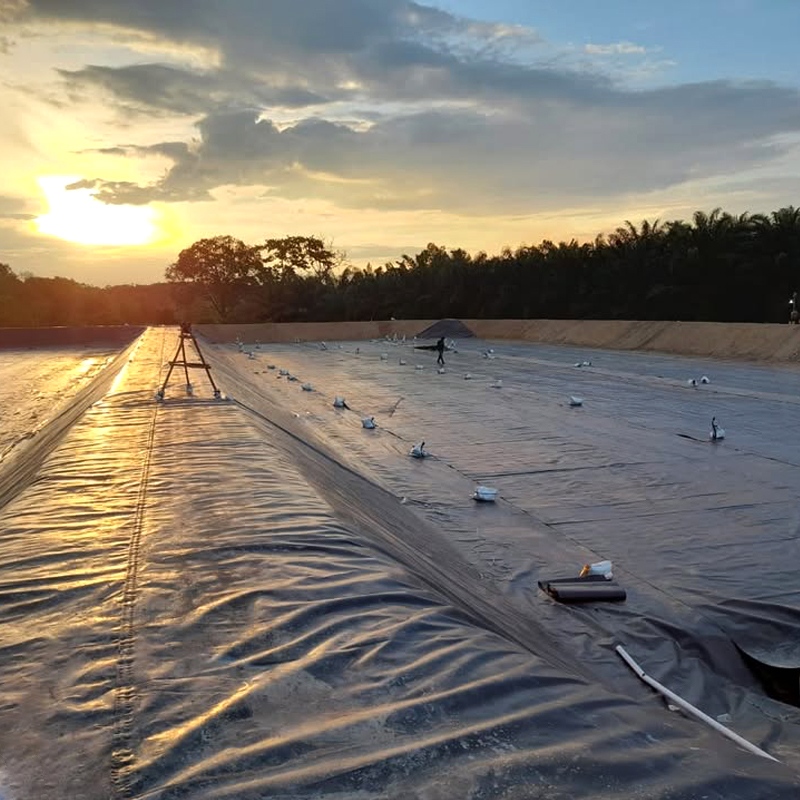
How to Install HDPE for Geomembrane Installation 1. Proper installation of high density polyethylene (HDPE) geomembrane(embedding an embedment), insinked ancho,r transition and other connection methods allow the floating membrane under pressure, as another layer of liner cover can promise installing a surface stabilit y can provide waterproof function.
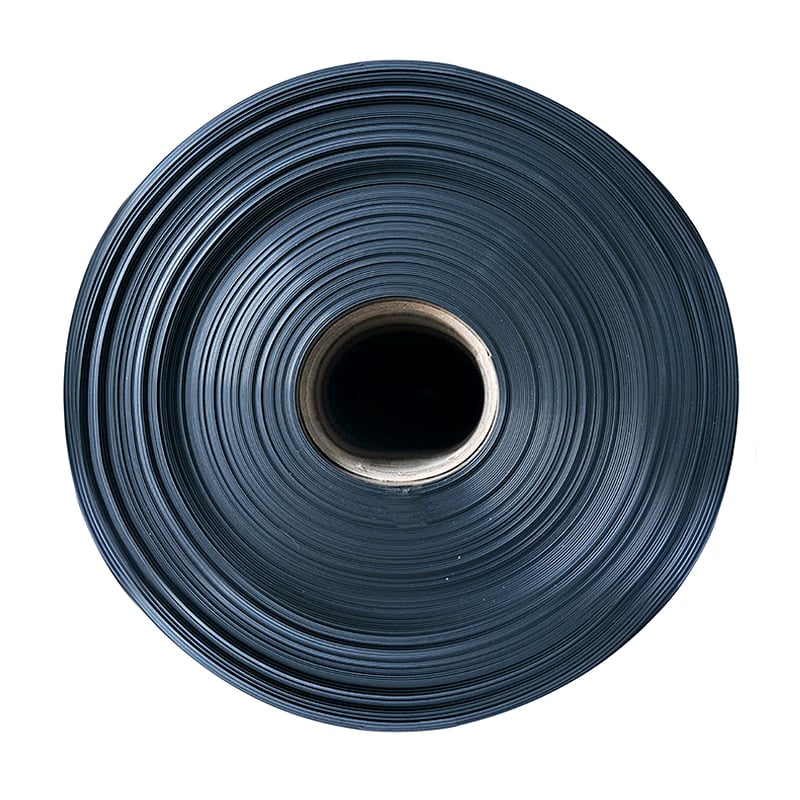
In the process of HDPE geomembrane from ROAD installation is very important for its use in a variety of applications. Make sure you clear your site of any obstructions and that the surface is smooth and level prior to installation! The geomembrane shall be unrolled slowly and in the correct position with adequate over-lapping along the joints to ensure no leakages. It is necessary to fix the geomembrane by anchoring it suitably, e.g., welding or with adhesive tapes. Periodic inspection and maintenance are required to ensure the geomembrane is still intact and functioning.
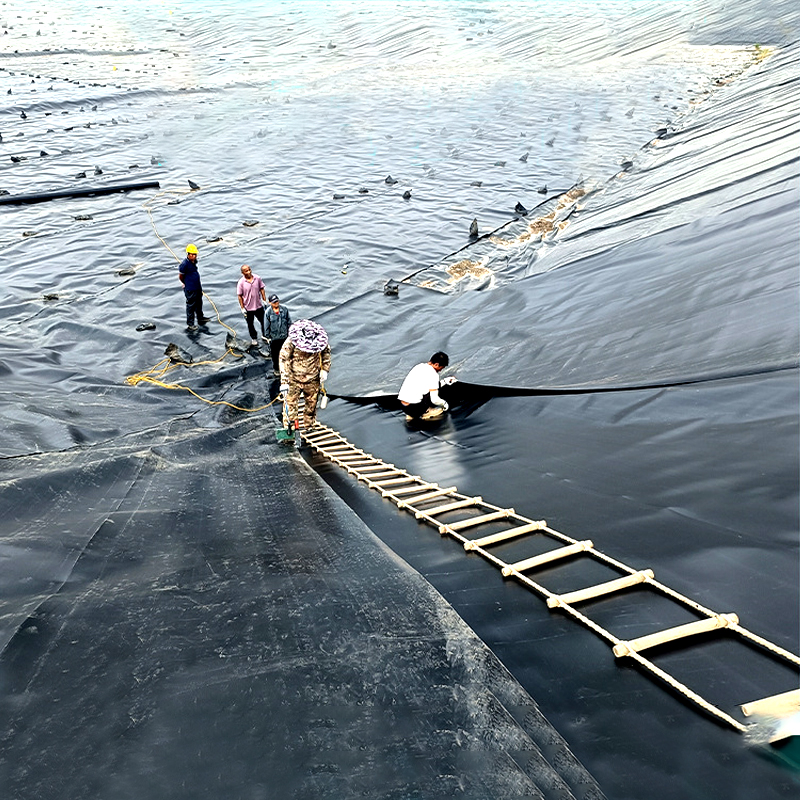
ROAD'S HDPE Geomembrane ROADs High density polyethylene geomembrane is unmatched in its durability and resistant to chemicals, UV rays and punctures. This makes it perfect for applications such as lining landfills, ponds and reservoirs! Furthermore, the high density polyethylene geomembrane is flexible and easy to apply in site, thus labor cost and time can be saved. These tarps have a tensile and tear strength that make it perfectly suited for a variety of tasks. The impermeability of the geomembrane also contributes to avoiding dispersion and pollution, for a safe environmental protection.
 EN
EN