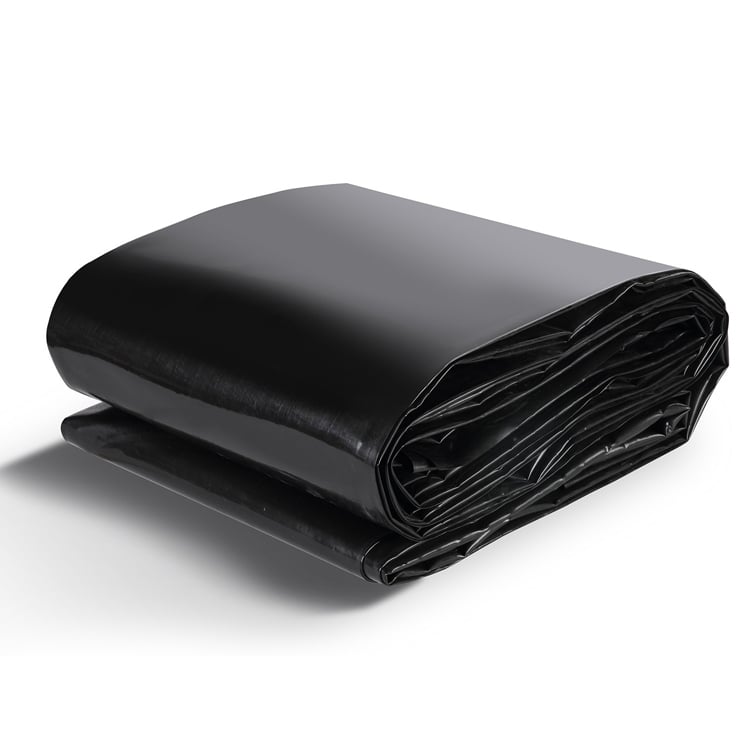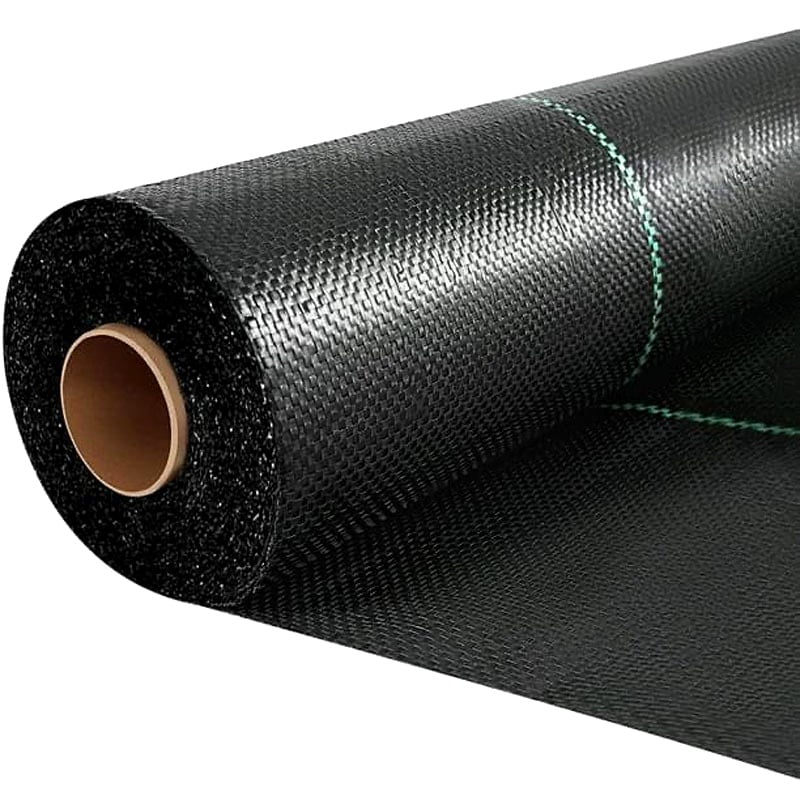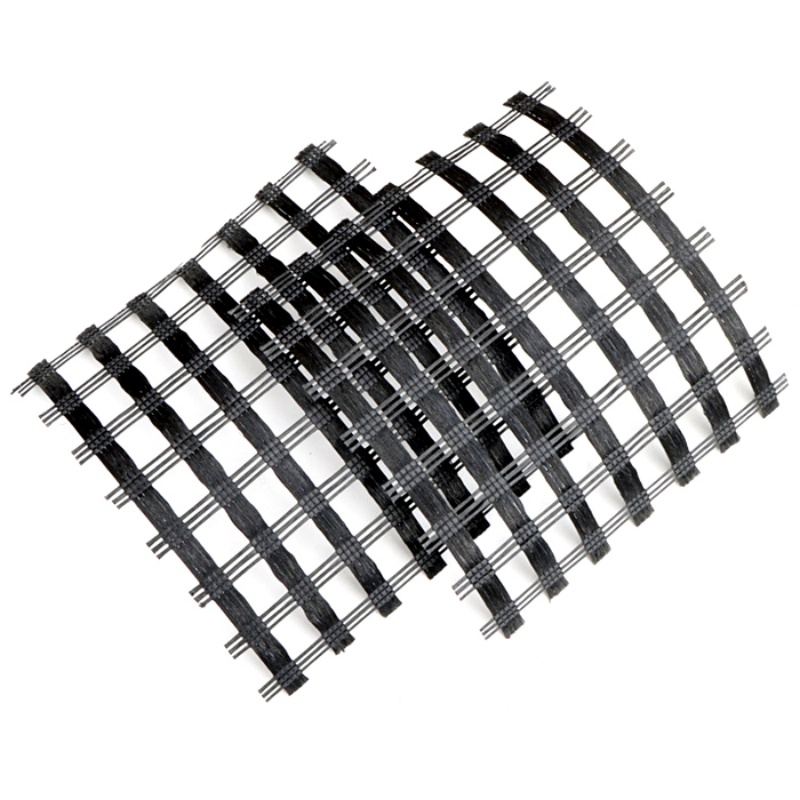
HDPE geomembrane is an efficient and durable construction material, which is used for almost all environmental projects. Applications The most popular application for HDPE geomembrane is as to line wast disposal sites, where its acidic resistance & impreviousness make it extremely suitable. With such trustworthy material it has a longer lifespan and more flexibility for use making it suitable for many applications in construction industry. It is often combined with products like Woven geotextile to enhance soil stabilization and filtration.
HDPE geomembrane is applied in the construction of a number of different structures. A popular use is as a lining material in landfills to keep toxic materials from leaking into the soil and groundwater. By sealing waste products within its containment, HDPE geomembrane protects the entire ecosystem from pollution. This material is also commonly utilized for the construction of water-damming structures (ponds/reservoir) as well. Reaches maximum size without water waste: Its lack of permeability means it won't lose space through leaks and, there no need to migrate nutrients as plants may reach the nutrient-rich run off. HDPE geomembrane is also used as corrosion protection for concrete in industrial applications. As sacrificial material, it extends the life of concrete in aggressive environment and promotes sustainability of civil engineering structures.
There are many reasons to consider the use of HDPE geomembrane in construction. One of its major advantages is that it’s tough and resistant to punctures or tears, providing long term utility in harsh conditions. What is more, HDPE geomembrane is highly flexible and easy to install construction for better performance at a lower cost. It is easy to carry and manage on site due to its lightweight, which will help save labor cost and shorten construction period. Additionally, the HDPE geomembrane does not break down exposing the underlying structure and creating further repairs unlike traditional materials. In conclusion, HDPE geomembrane has made the construction industry an environmentally friendly and durable alternative - protecting your structures for longer and in a more robust manner than alternatives.
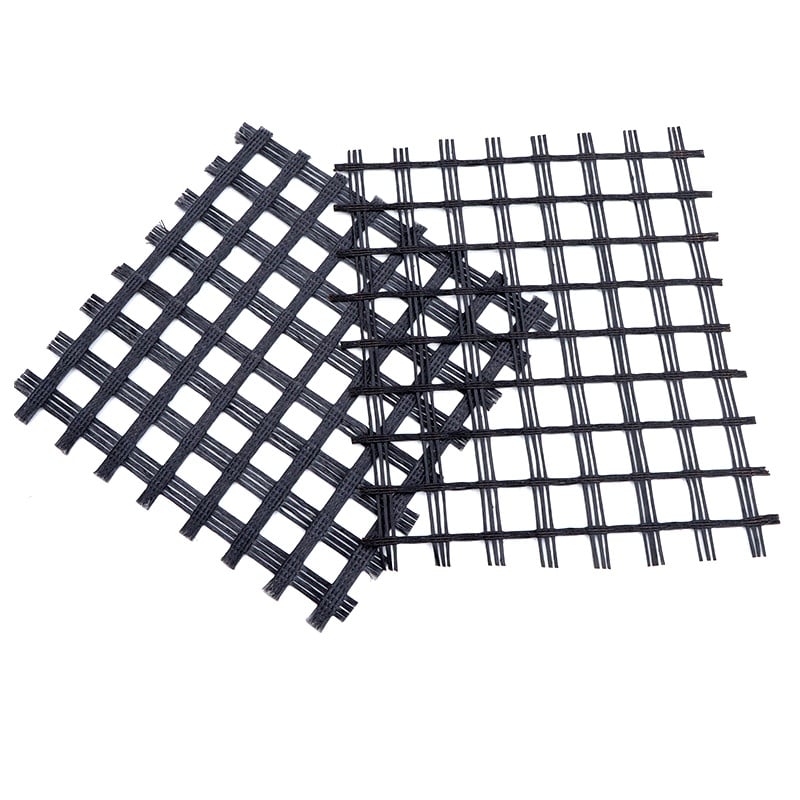
When you are in the market for HDPE geomembrane, there four key factors to take into consideration. First, make sure your geomembrane is HDPE (High-Density Polyethylene). This is a material that is made of strong plastic and is resistant to chemicals — which means you can use it in whatever application, from landfill liners and pond liners to irrigation systems. For additional reinforcement in some projects, materials like PP biaxial geogrid are sometimes incorporated.
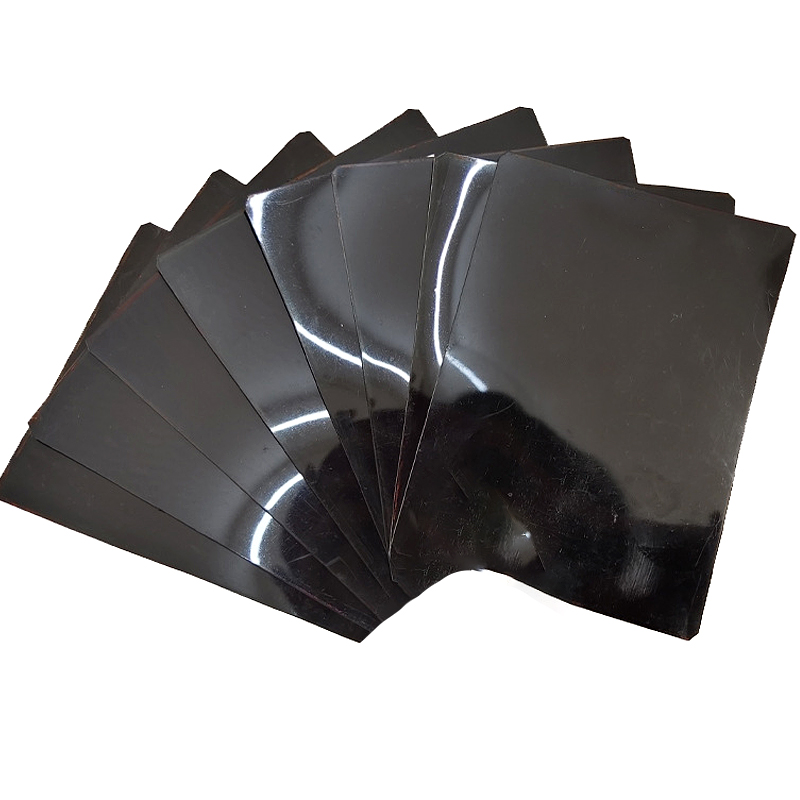
Geomembrane Thickness Another critical factor to consider is the geomembrane thickness. Thicker liners are more puncture and tear resistant, which just happens to better protect your project. Also, make certain your geomembrane is UV stabilized and won't degrade with time in the sun.
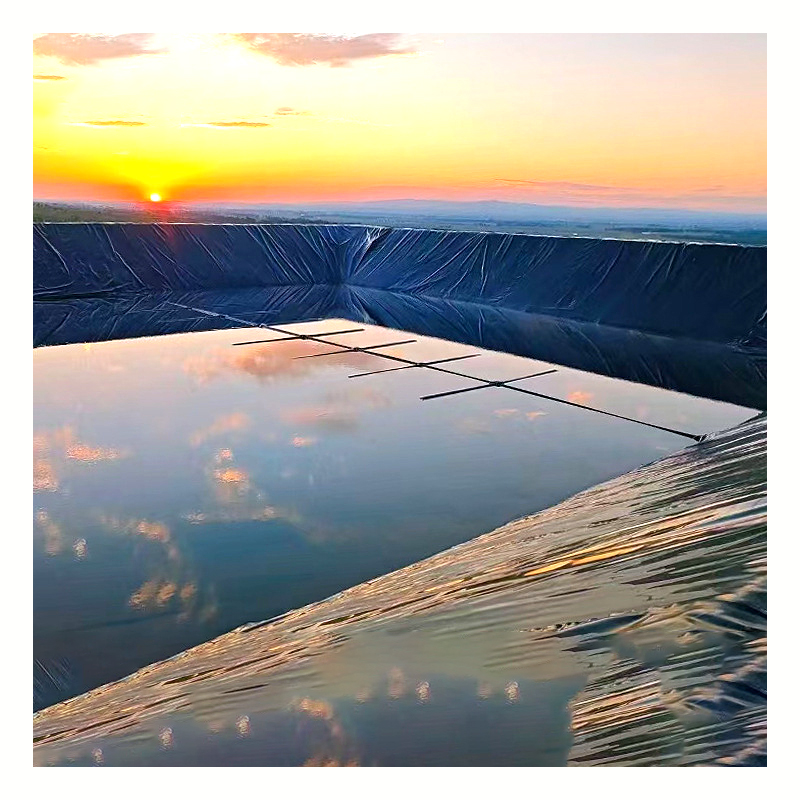
At ROAD, we can supply strong and durable geomembrane as a competitive price to save money in your project. Our geomembrane liners are custom fabricated to the exact size required by your application, saving time and reducing waste. We also offer complementary products such as High-strength polyester geogrid for mining to meet the needs of specialized projects.
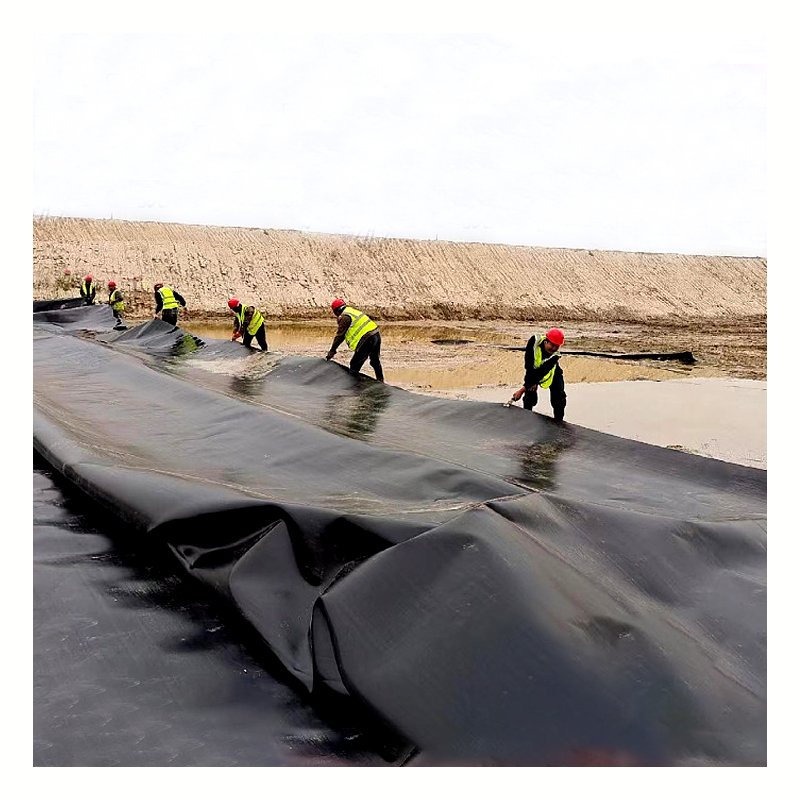
There are more than one ways why using HDPE geomembrane will serve to longevity of your project. To start with, HDPE geomembrane is a powerfull and durable barrier that protects your project against water, chemicals, and other environmental influences that may be detrimental to your construction! It can prevent leakage and contamination, which will make your project more safe and sound.
 EN
EN