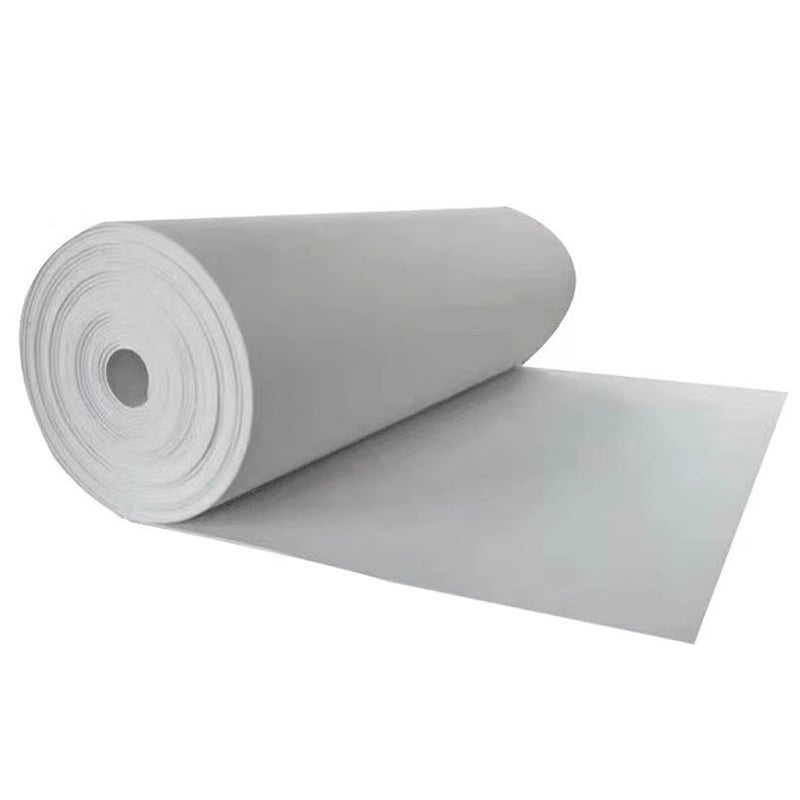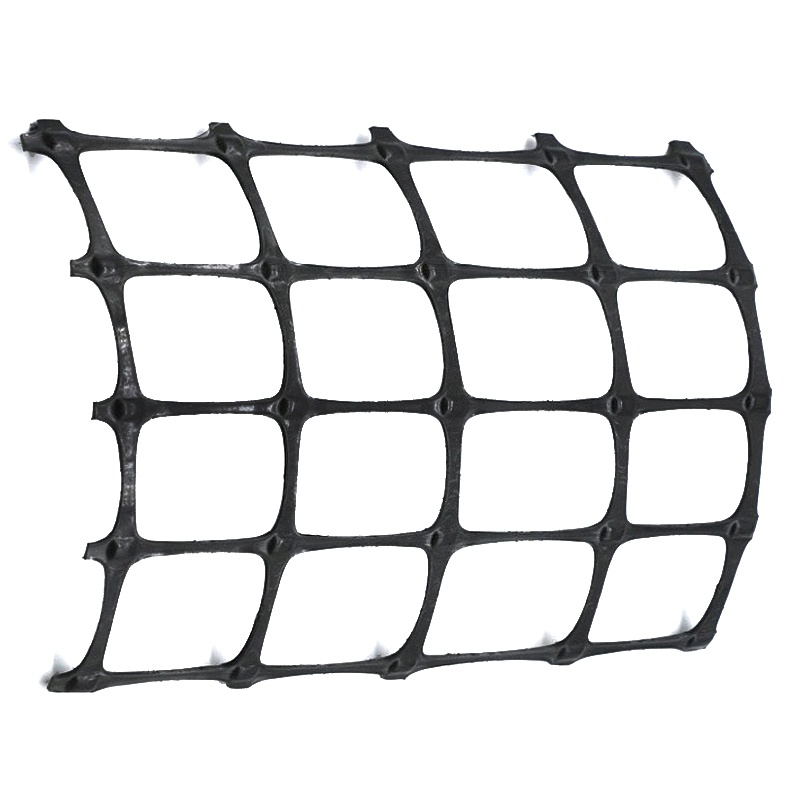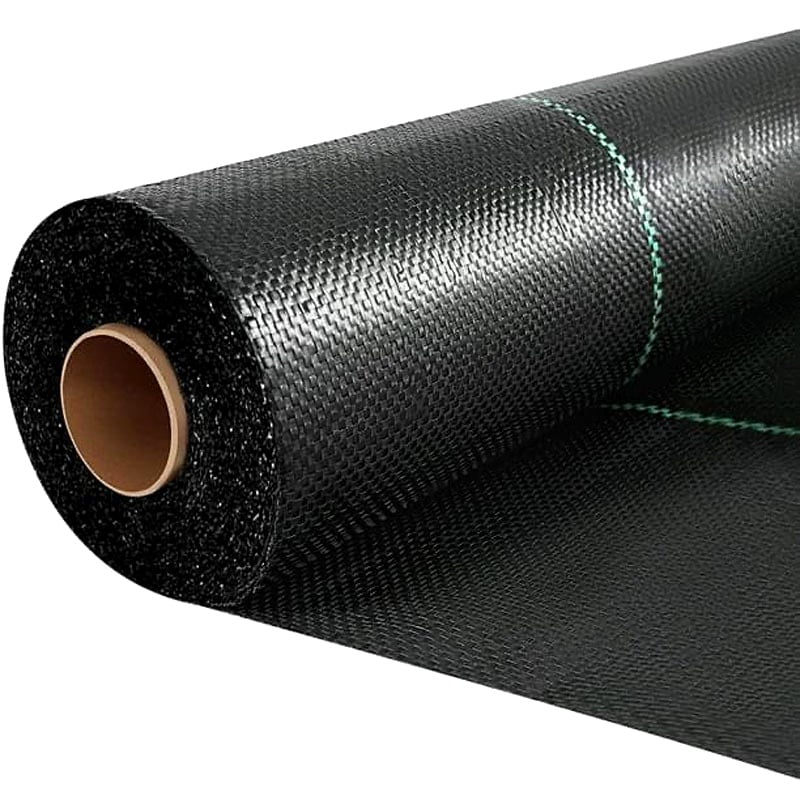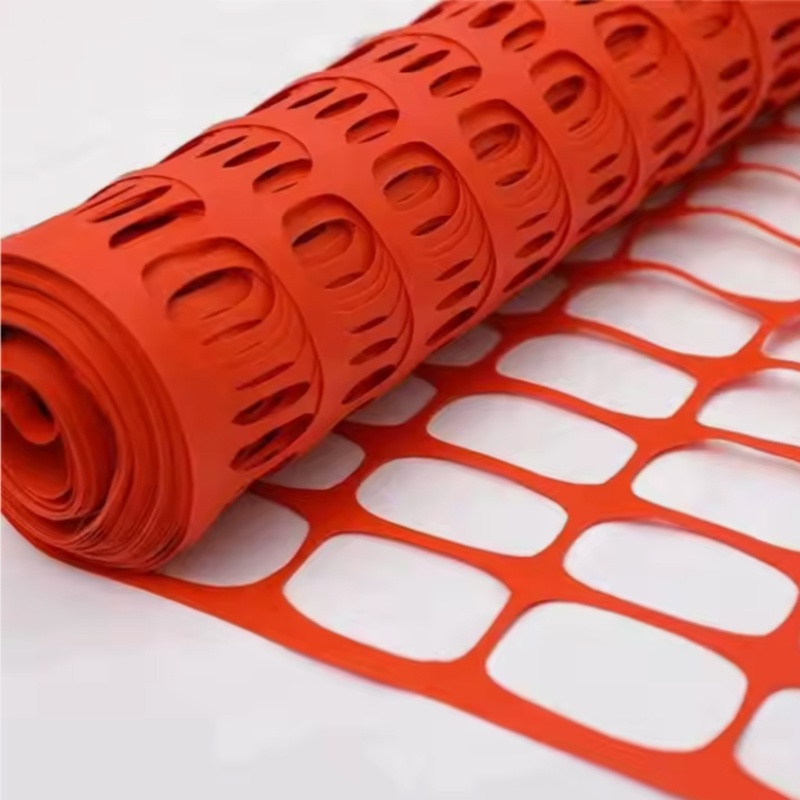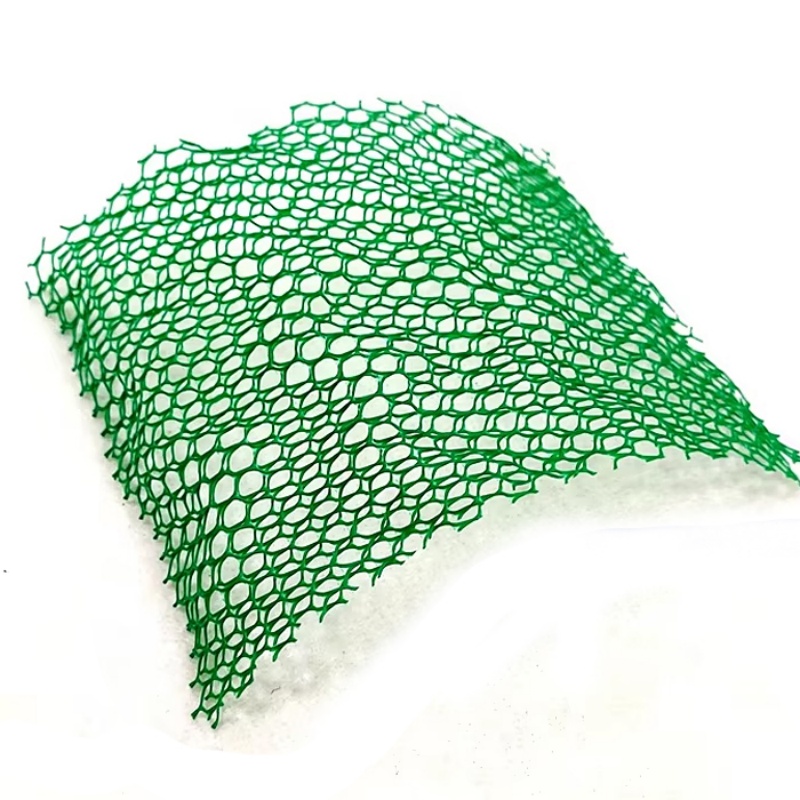
Special types of fabrics are geotextiles used in the construction of roads. They also help add strength and durability to roads. When we construct roads, we want them to last a long time and be suitable for cars and trucks. LUDE sells excellent geotextiles that might help with this. They can be employed either beneath the pavement surface or within the material that comprises the road. With a geotextile, builders can design stronger roads that are resistant to wear and tear from heavy use and inclement weather.
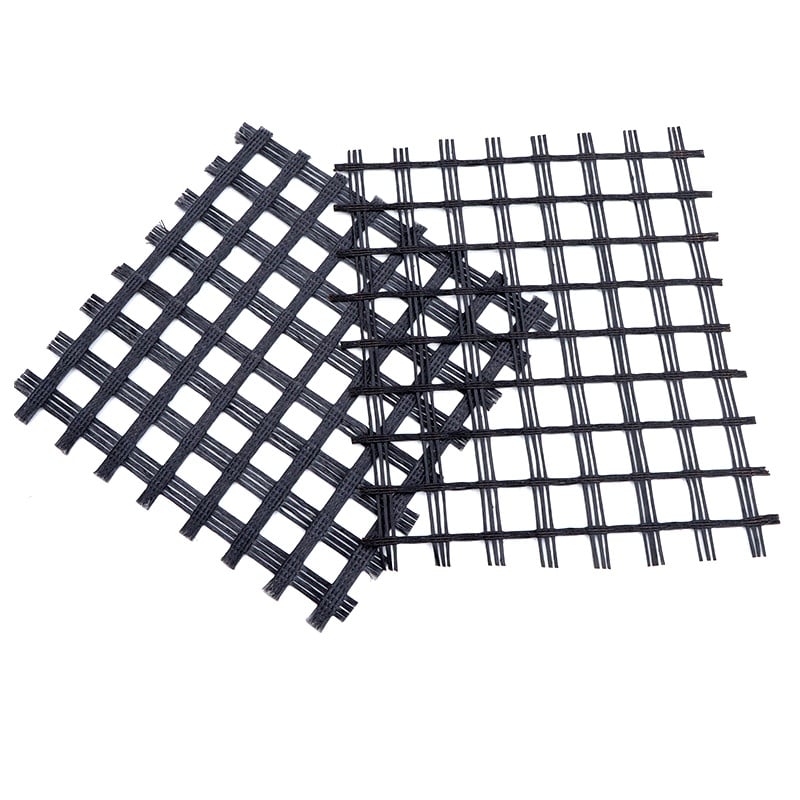
In road construction, geotextiles are of paramount importance. They’re constructed of strong materials that are able to assist in supporting the weight of the road itself. When we put in a road, the ground underneath it not be very stable. This can lead to issues such as cracks or potholes. (2) Geotextiles have the effect of loosing the soil to act a channel for discharging water. They stop the earth from moving so much, helping a road last longer. It might be a road that is constructed on soft soil: the geotextile can help to distribute the weight of the road. This means the road would be less likely to sink, or break. Moreover, they can separate various strata of material. For instance, if a road has a layer of gravel and a layer of asphalt, a geotextile can prevent the two from homogenizing. And that’s important, because each layer has something particular to do.” Builders can ensure everything stays in its place by using geotextiles, leaders of the group said. This causes the road to last longer, and to remain safer for drivers. In the rain or in piles of snow, geotextiles can also help with water drainage in areas where weather often swings. Water can undermine a road if it becomes stuck beneath it. Through water to pass, allowing the soil is retained. This prevents holes from forming in the road and causing precipitation to pool. For example, the use of Fiberglass Geogrid for Driveway & Road Construction Asphalt Reinforcement Fiber Grid Paver for Gravel Retaining Wall Application can be integrated with geotextiles to enhance drainage and stability.
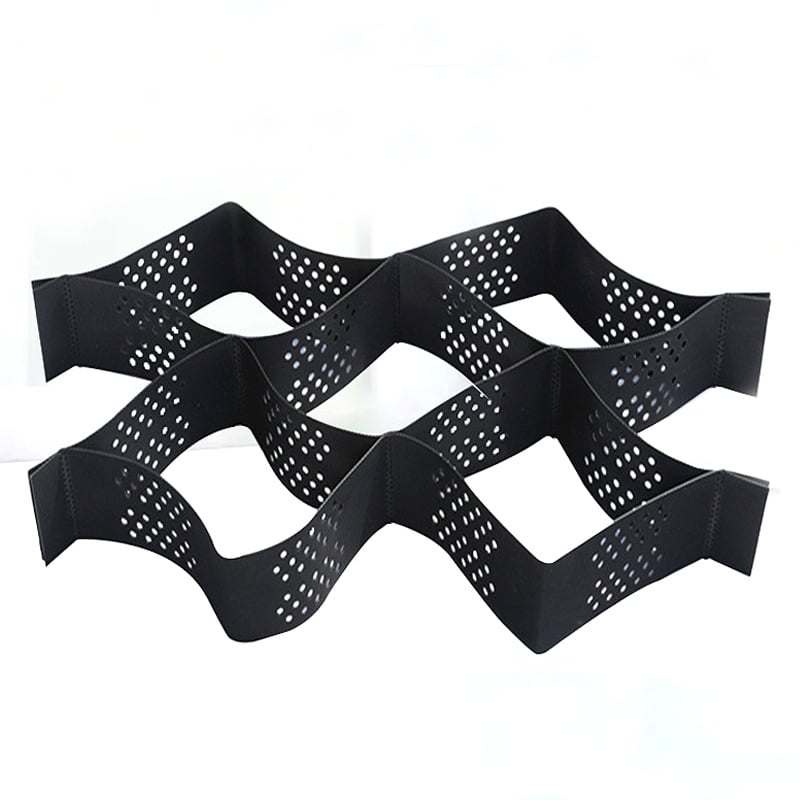
There are so many geotextile fabrics that you can use to construct roads. They are efficient, one major advantage being the fact that they are budget-friendly. Geotextiles can save the builder money over time. Roads made with these materials usually need fewer repairs. That means, less time making repairs and less money spent doing so. Another advantage is that the life span of the road can increase with geotextiles. Roads made from these materials can support heavier loads. It is particularly useful for busy highways with trucks and cars on the road every day. For instance, a road that utilizes LUDE geotextiles might last 10-20 years more than one that doesn’t. Moreover, geotextiles may also serve as environmental protection. They can be made out of recycled materials, which is a benefit to nature. The use of geotextiles also requires less new material, and so there is a reduced amount of waste. They also work to maintain the health of the soil under the road, which is important for native plants and wildlife. To that end, geotextiles can also be used to keep roads safer. They help wards off cracks and holes, which makes for a smoother drive as drivers. This helps to prevent bad road conditions that lead to accidents. In conclusion, Incorporating geotextile fabrics in road construction is a wise one that provides multiple advantages for both builders as well as drivers and the environment. One of the innovative products that complements geotextiles is the High Quality HDPE Geocells Durable Retaining Wall Drive Slope Protection Made From High Quality PP Material Outdoor Use, which enhances slope stability and retention.
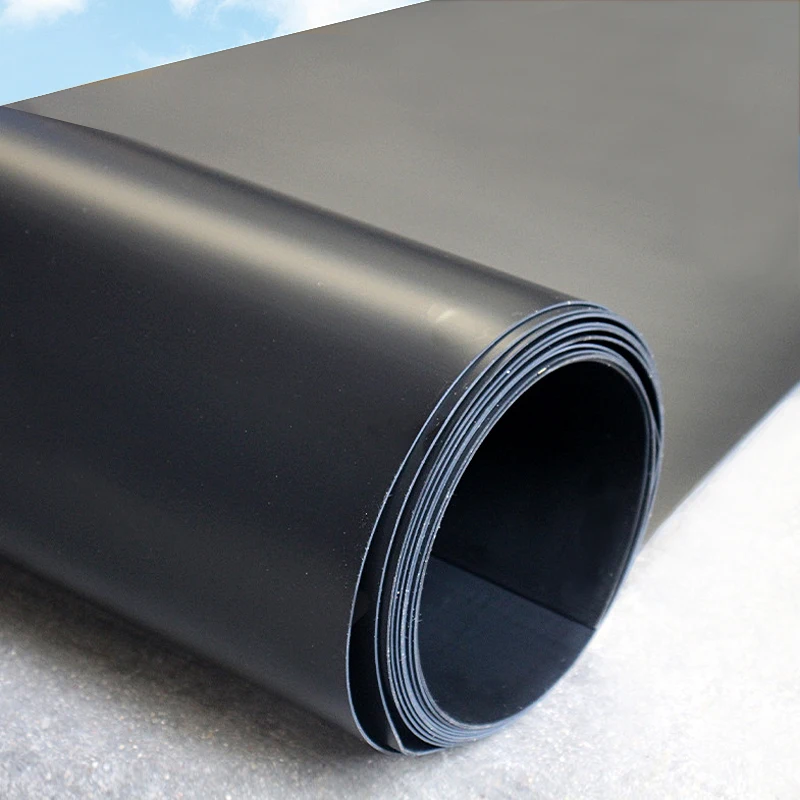
Geotextiles : JM Fabrication has a range of Geotextiles which are used to provide superior performance and reduce maintenance costs on the nation's roadways. They are constructed of durable fibers such as woven or non-woven and are disposed between the ground and the layers of a road. Geotextiles, when used, help to keep the road stable and manage issues such as cracking and settling. One way this is done, through these geotextiles, is by permitting water to flow through while keeping the soil intact. That means rain can drain, but the road doesn’t. This dimensions the road surface, making it safe and smooth for all vehicle types.
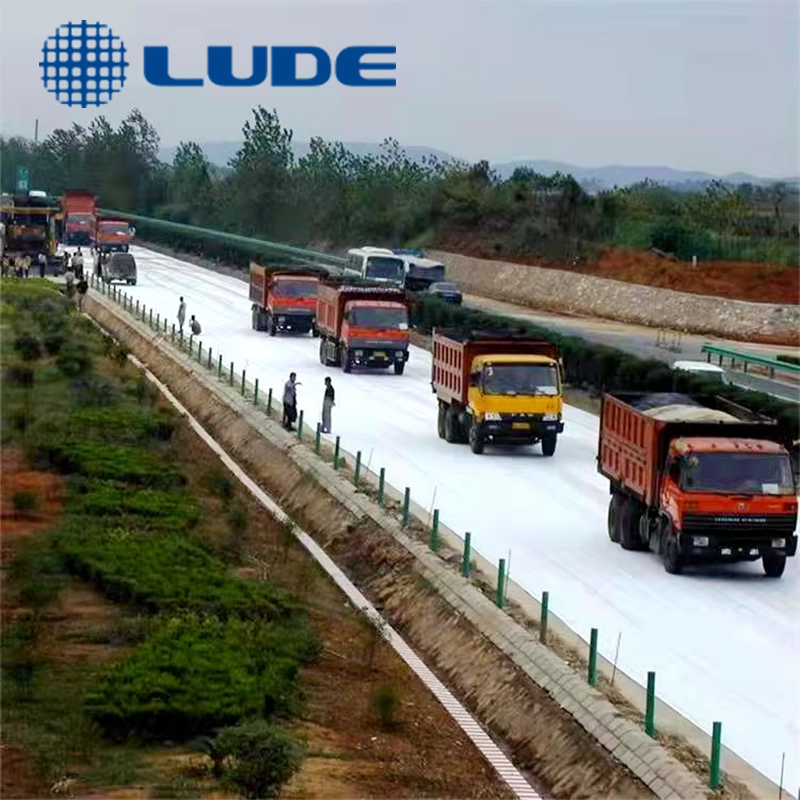
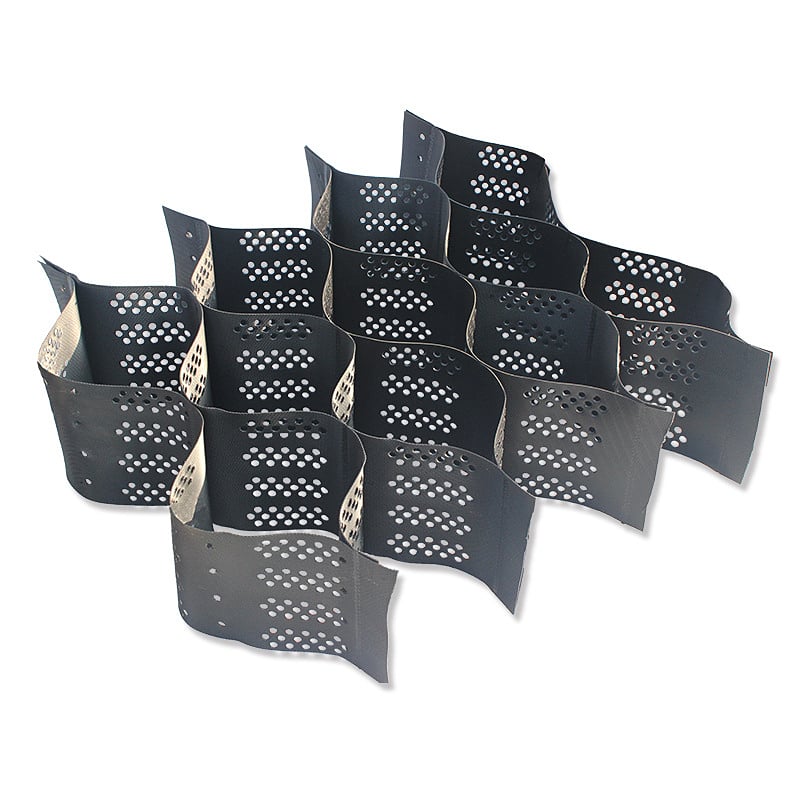
One other significant advantage of geotextiles is that they can minimize the materials required to construct a road. Because the geotextile helps support the road structure, less gravel or other heavy material can be used when engineers use geotextiles. This saves not only money, but also makes road construction much fast and easy. For instance, geotextiles are used by LUDE in their road construction work to ensure that the roads which we build are done so sensibly to last long. These materials spread the weight of vehicles more evenly, putting less pressure on the ground below. This is one way to keep the road from cracking and breaking down over time. Additionally, combining geotextiles with products like the HDPE Geocell Gravel Stabilizer 50mm 200mm Manufacturer's Price for Ground Grid for Farm Land Walkway Driveway Road Strengthening can further enhance road strength and durability.
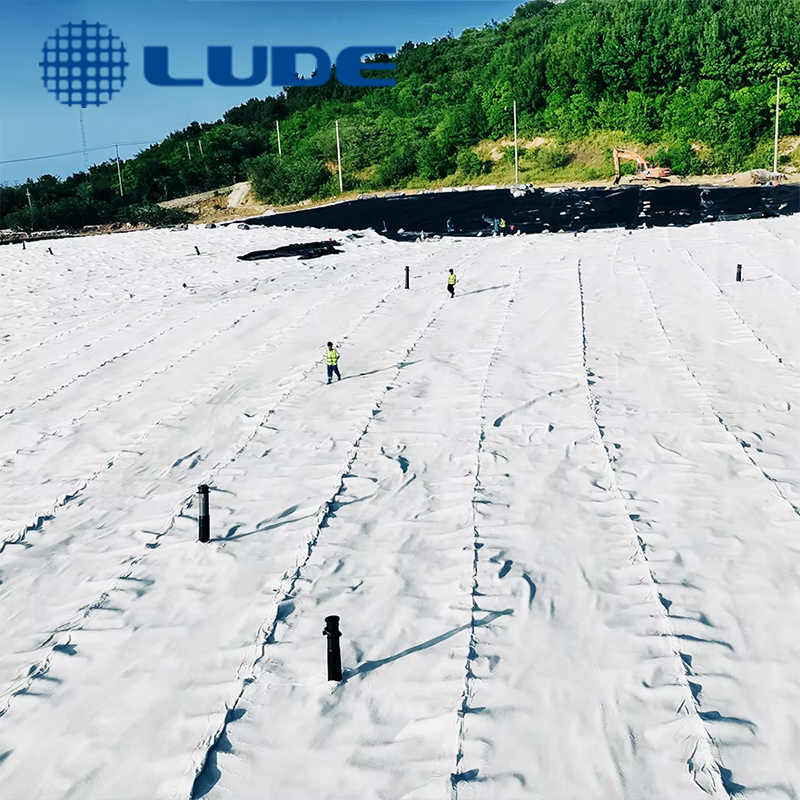
Trends are always changing in the world of geotextiles, and there are some new ones on the rise that are helping to make them even better. A trend is the production of geotextiles from recycled material. That means rather than using new remnants, companies like LUDE can use old plastic or fabric to produce geotextiles. That’s good for the environment, as it reduces waste and helps to keep our planet clean. These recovered geotextiles are as strong and effective as new ones, and they save resources.
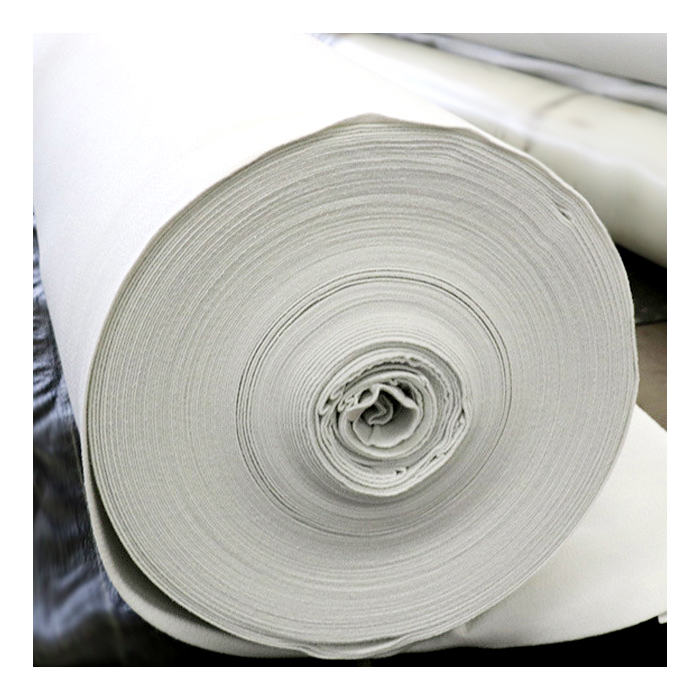
There are certain steps that should be followed to effectively use the geotextiles in road engineering. Engineers must first assess the unique demands of the road they want to build. That means considering what type of soil, level of traffic and weather conditions apply in the location. In doing so, they can select the appropriate type of geotextile for the job. If the soil is extremely soft, for example, engineers might choose a geotextile that has been designed to offer additional support.
 EN
EN