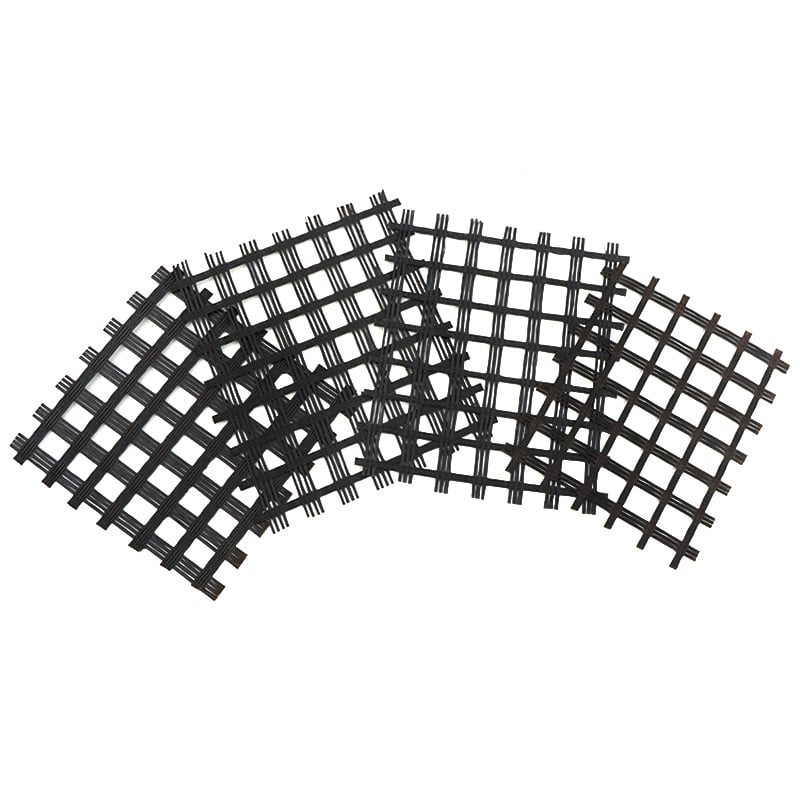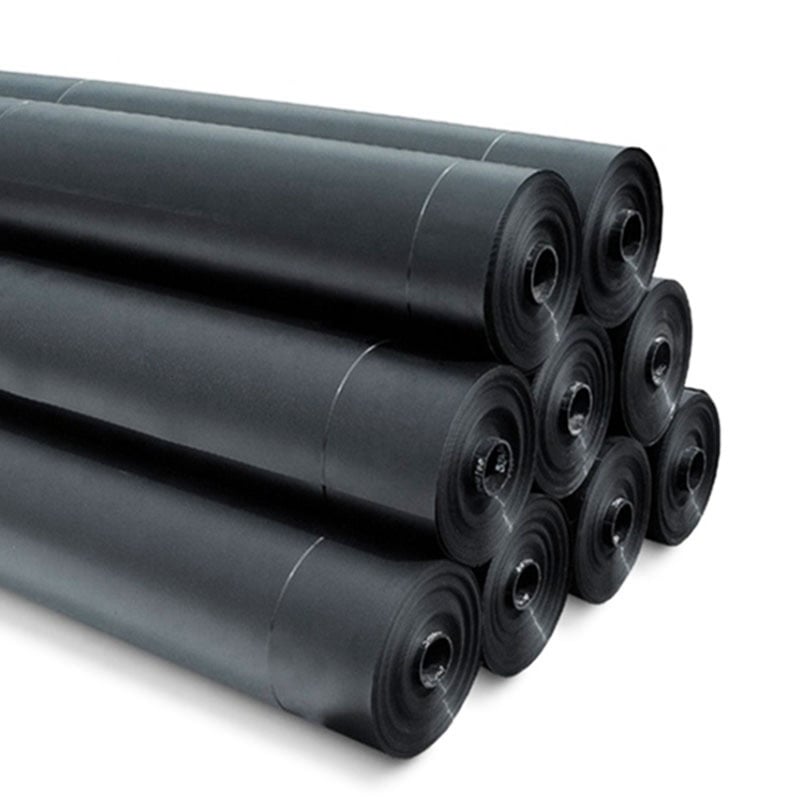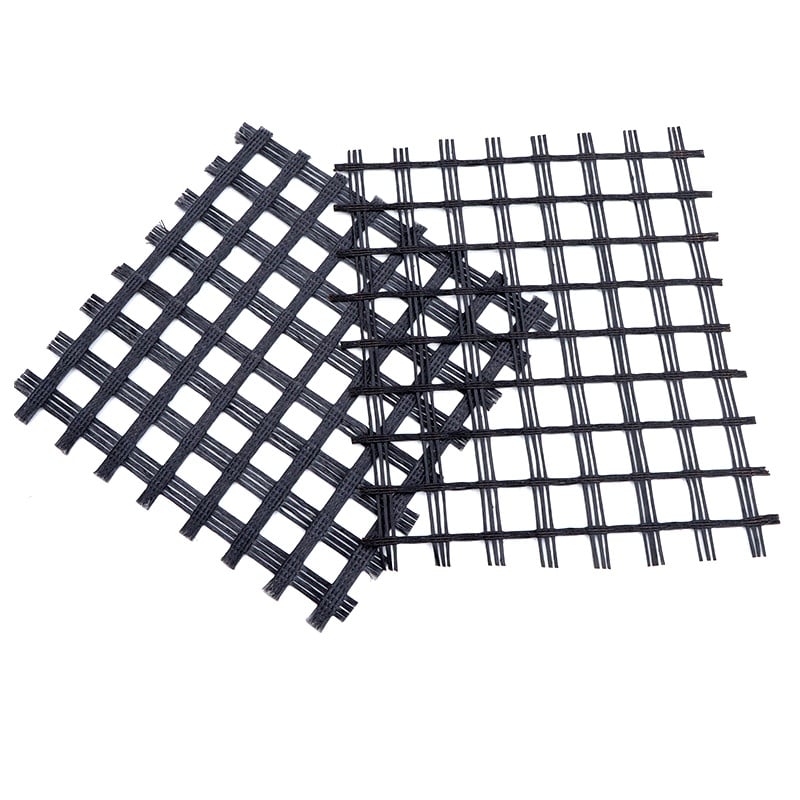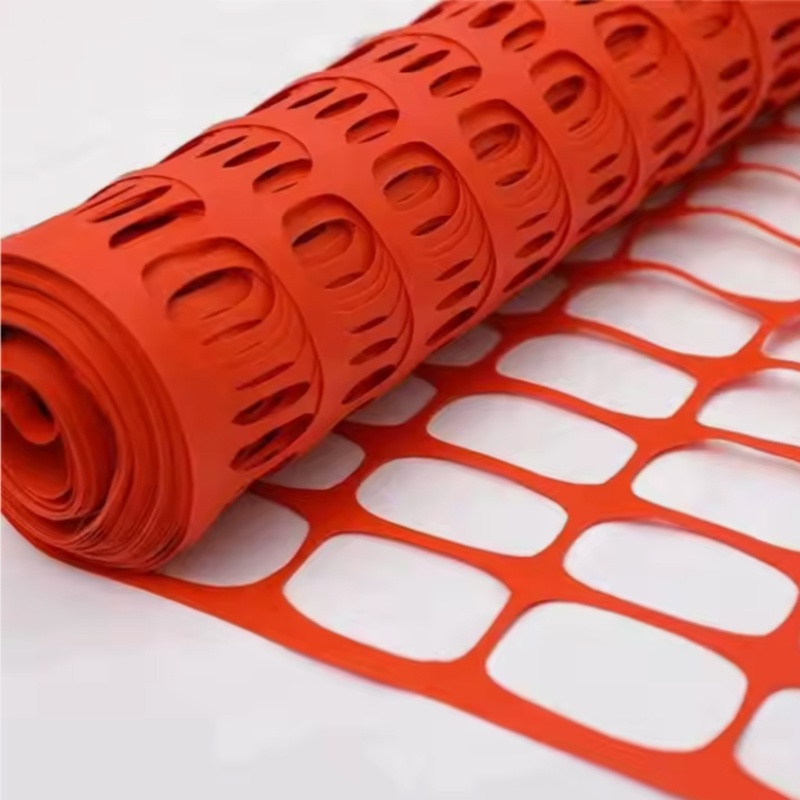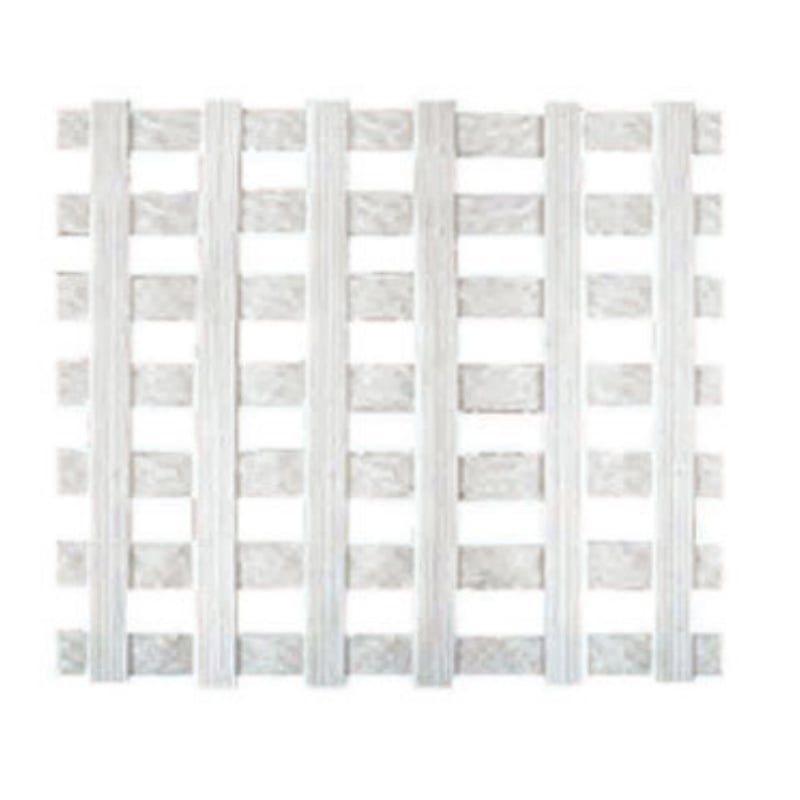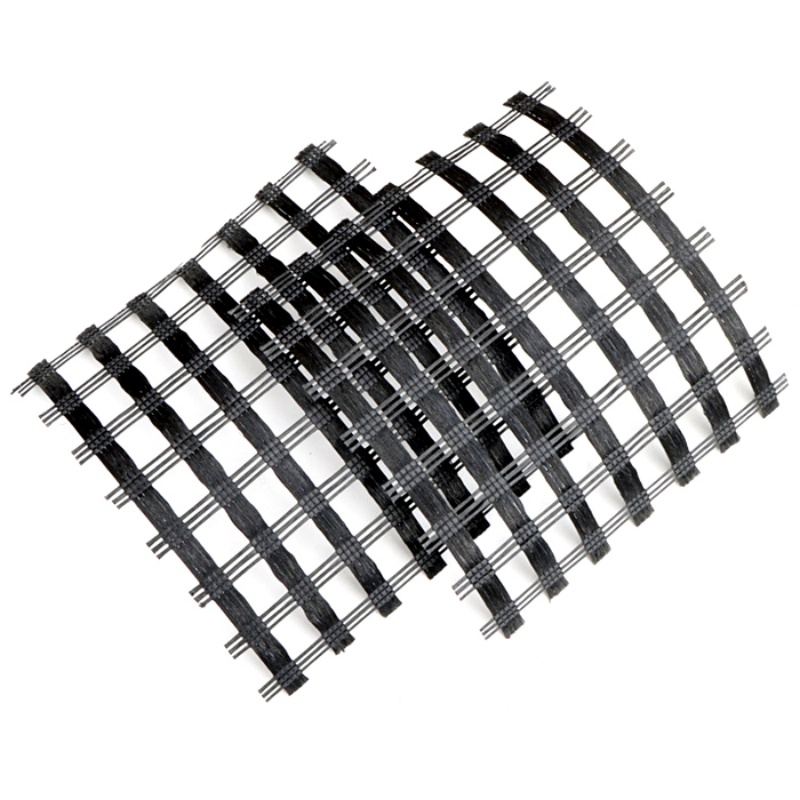
ROAD is an industrial manufacturer, we have a geogrid wall. Geogrid walls are structures consisting of some special material that helps to support soil and prevent erosion. These walls are often used in building to make structures durable and with a high structural integrity., we will provide an overview of the best geogrid wall suppliers, as well as how to install them for optimal performance.
Find the Best-in-Class Geogrid Wall Suppliers When you are in search of top-of-the-line geogrid wall suppliers, there are a few things to keep in mind. There are different ways to look for reliable suppliers, and one of them is searching online. Most businesses have no less than one web site that provides a way to upload their products and offerings, buyer’s feedback, links to their website on other related sites and endorsement from satisfied clients. You can also consult with other construction professionals who have encountered geogrid walls.
Moreover, trade shows and professional meetings are some of the best venues you can explore to get connected with geogrid wall suppliers. A good opportunity to meet suppliers and see their new offerings up close. Some local construction supply stores can help you locate trusted geogrid wall suppliers, as can consulting with the professionals in the area.
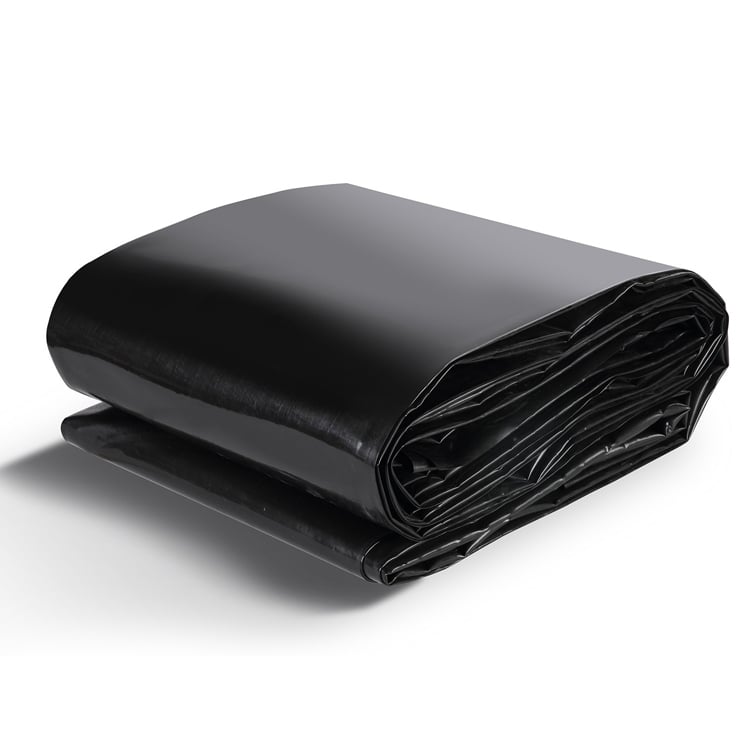
When the base is prepared, the geogrids are rolled out and installed. The manufacturer should be contacted for installation specifications to ensure the geogrid is properly positioned and anchored. Soil is backfilled behind the geogrid wall followed by compaction and grading to buttress it. For better drainage and soil stability, using a non-woven geotextile layer behind the wall can be beneficial.
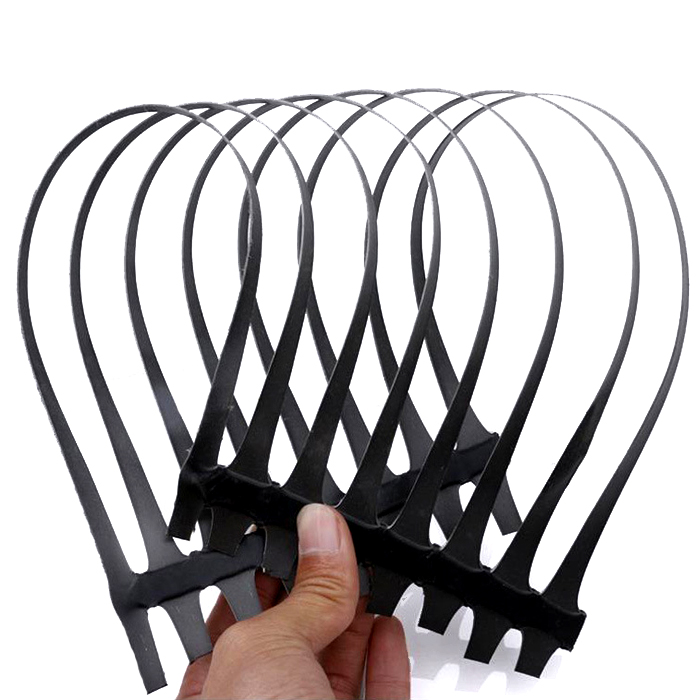
It's also important to maintain the geogrid wall through routine maintenance activities to guarantee performance throughout its life span. It is best not to wait until the wall get damaged because being pro-active help you a lot. Checking it also will give you signs if there’s damage or erosion already starting so that can be addressed rather than worrying on more things when repair becomes inevitable. Good drainage around the wall is also important to avoid water build-up and eventual damage.
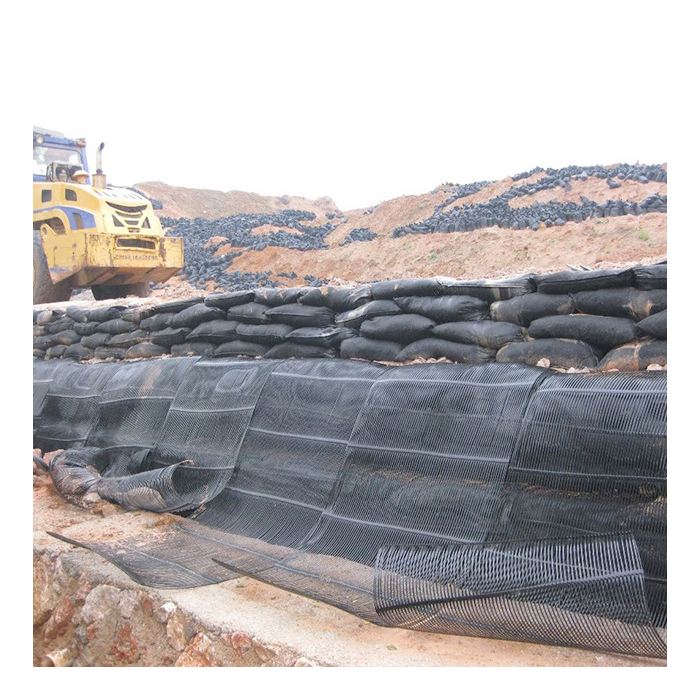
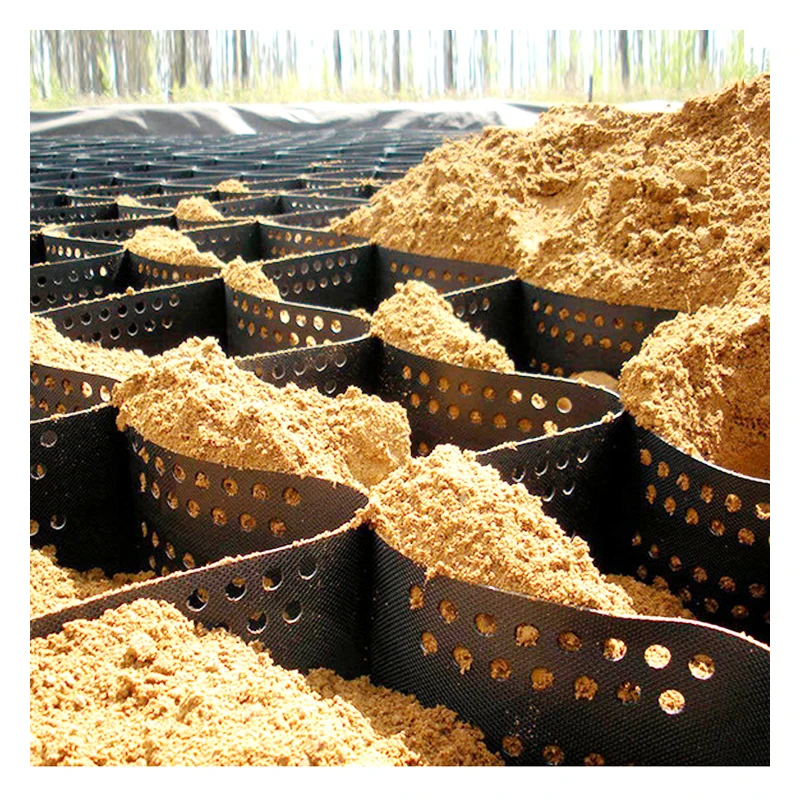
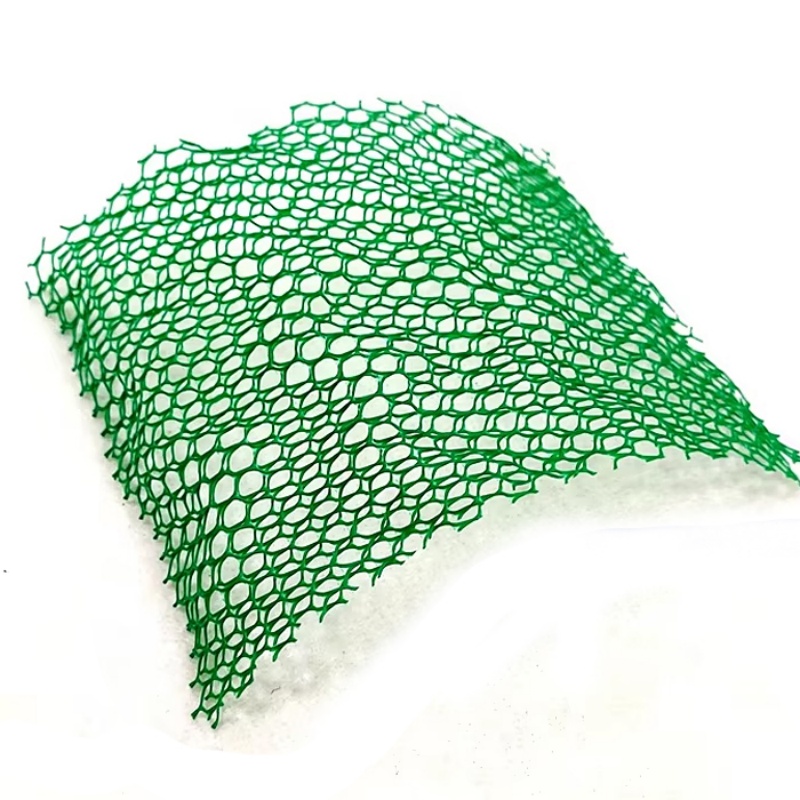
Some key things need to be considered and executed when constructing a geogrid wall so here are some tips and tricks. The first important aspect is to adequately prepare the site, cleaning of all debris and leveling off a foundation. This will prevent future shifting or settling of the wall. Then also be sure to compact the soil behind the wall to create a good foundation for multiple stacked geogrid layers. – When laying the geogrid ensure it’s laid to overlap and in the same orientation as recommended by the grid manufacturer (design strength is often tested/ benchmarked for its specific orientation). Finally, fill behind the wall with a product like gravel or crushed stone that allows water to drain out and supports the stones. For additional reinforcement, some builders incorporate a 3D Geomat layer to enhance soil stabilization.
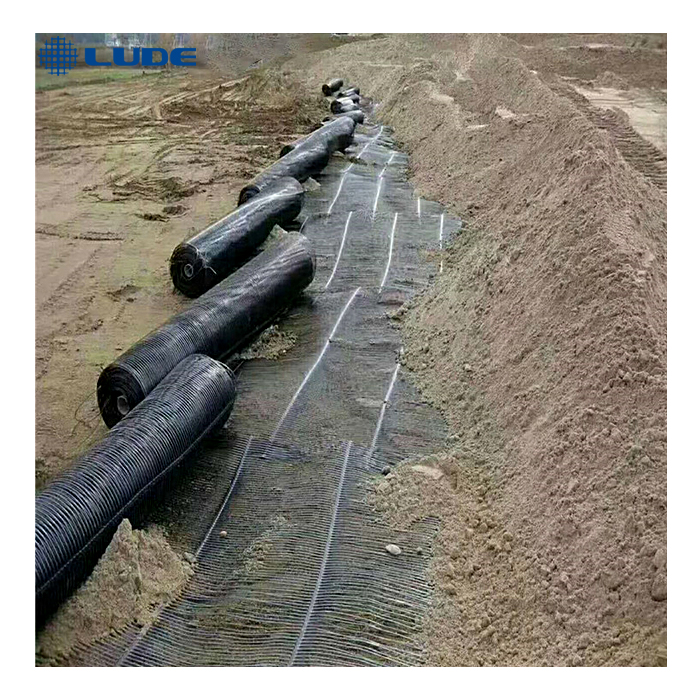
Even when installed correctly, geogrid walls can face common problems that require immediate attention. Bulging or bowing of the wall is a frequent problem and can result from inadequate compaction of the soil behind the wall, or an excess pressure from backfill. The only way to counteract this is to make sure the soil is compacted well and use an appropriate backfill material so that you don't shift the wall. Cracking or settling of the wall is also a common design problem that usually occurs when the wall lacks proper drainage or in the failure to correctly install the geogrid layers. To prevent this from happening, make sure there's proper drainage behind the wall (Figure D) and install a perforated pipe along the inside bottom of the wall as shown in (Photo 7). And although a low retaining wall may be nothing more than a glorified planter, it still has to retain tons of wet dirt and keep it from leaking through.
 EN
EN