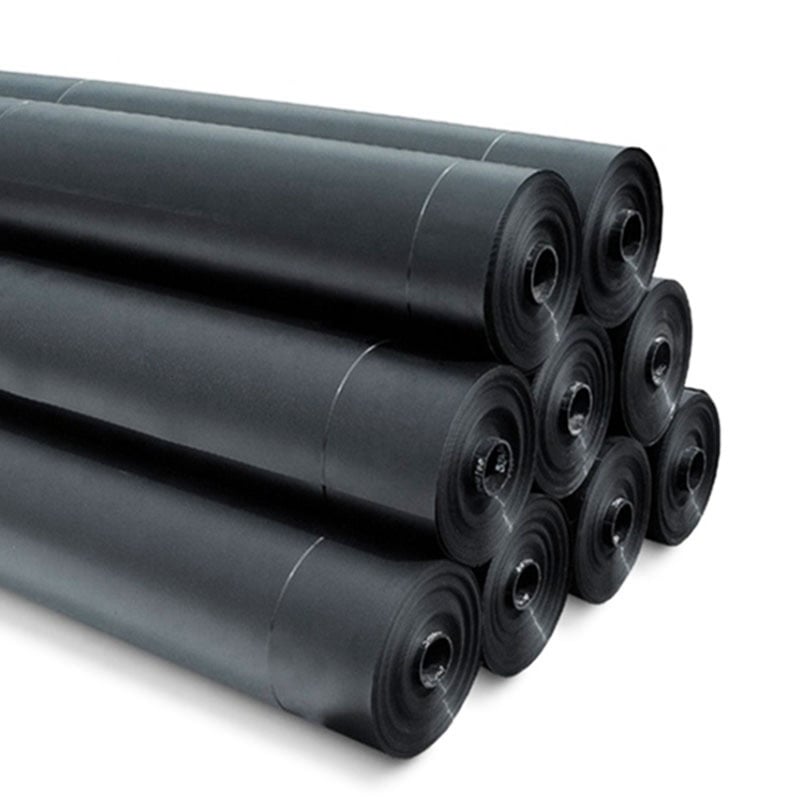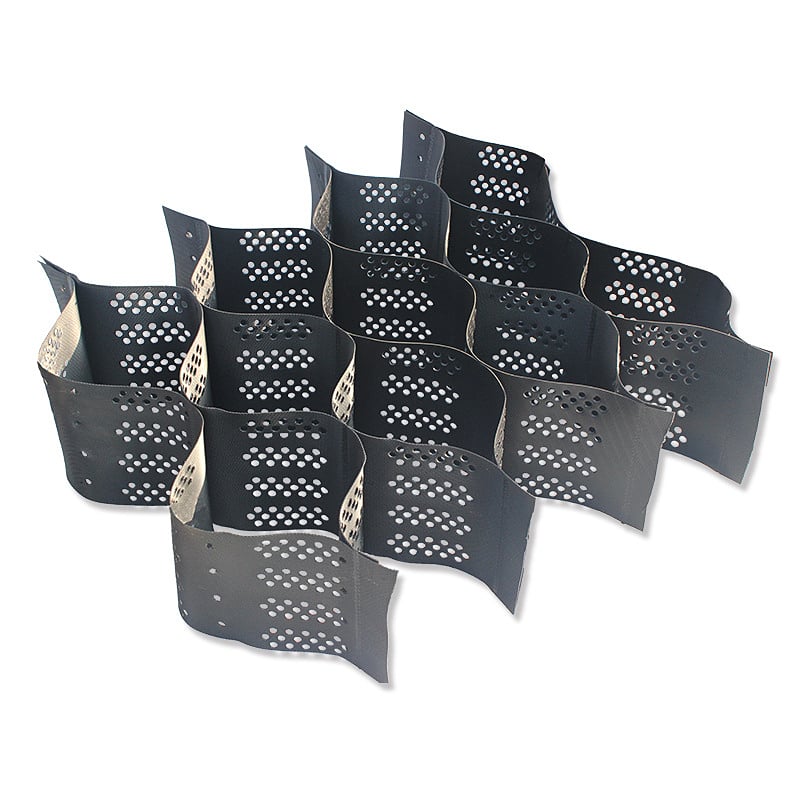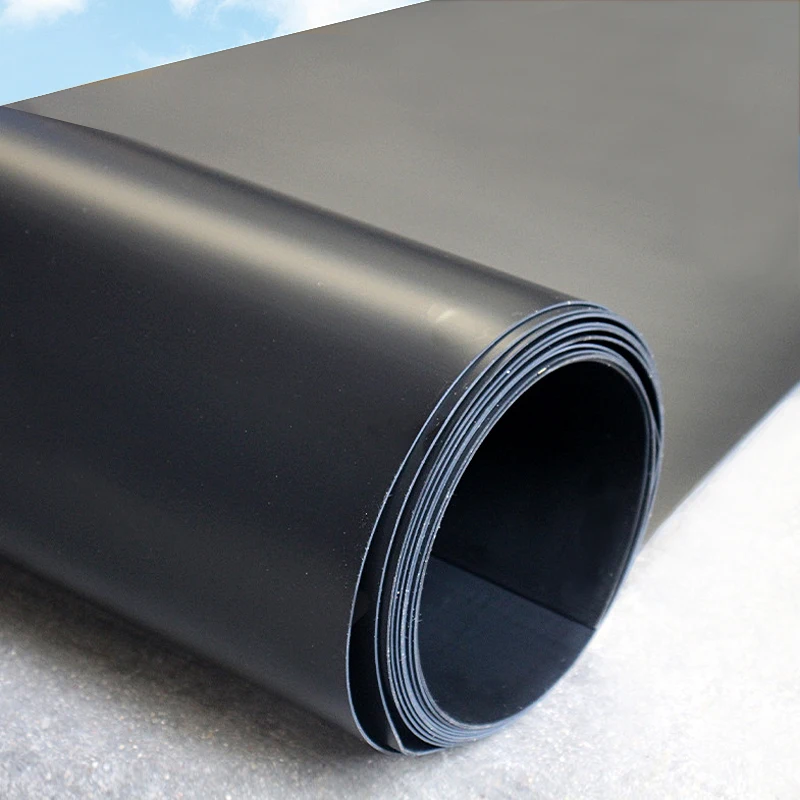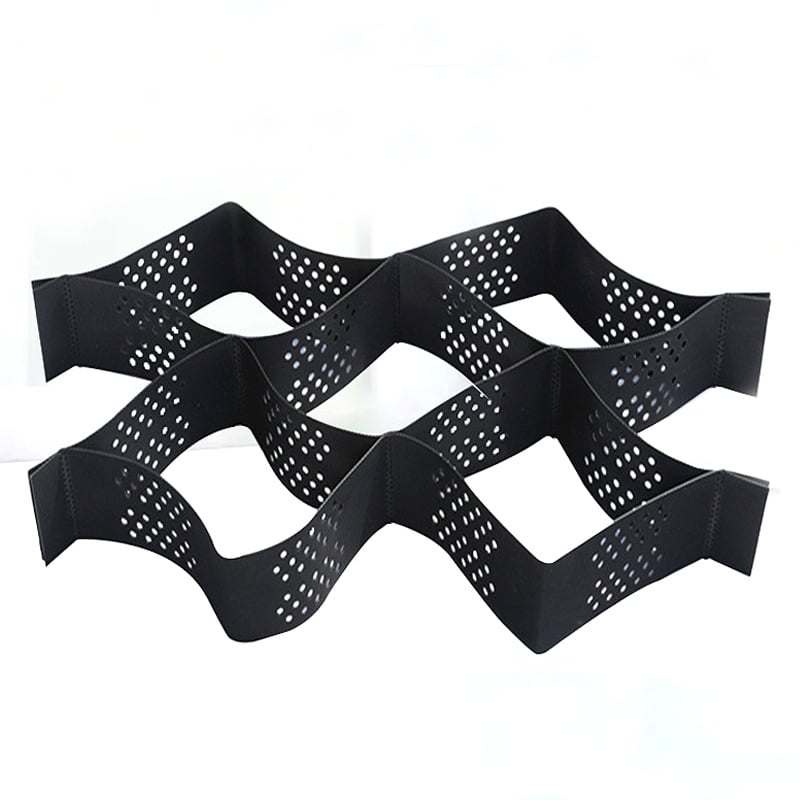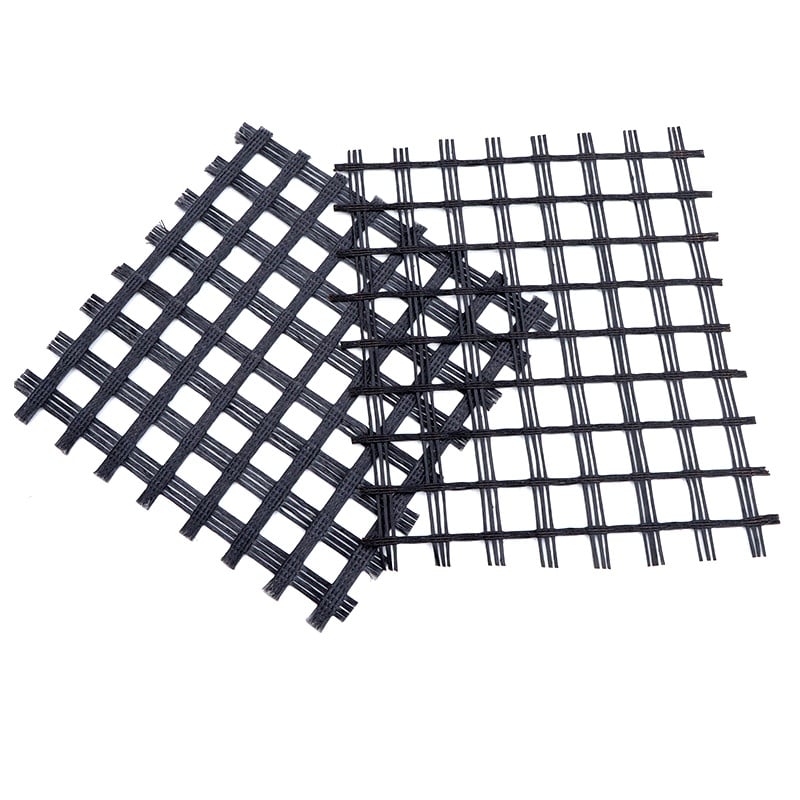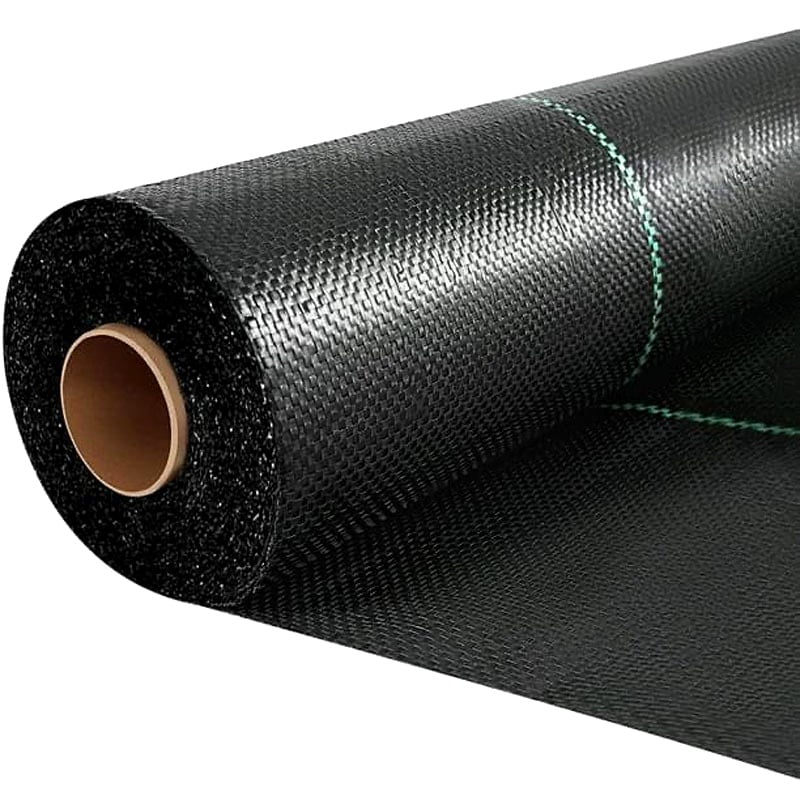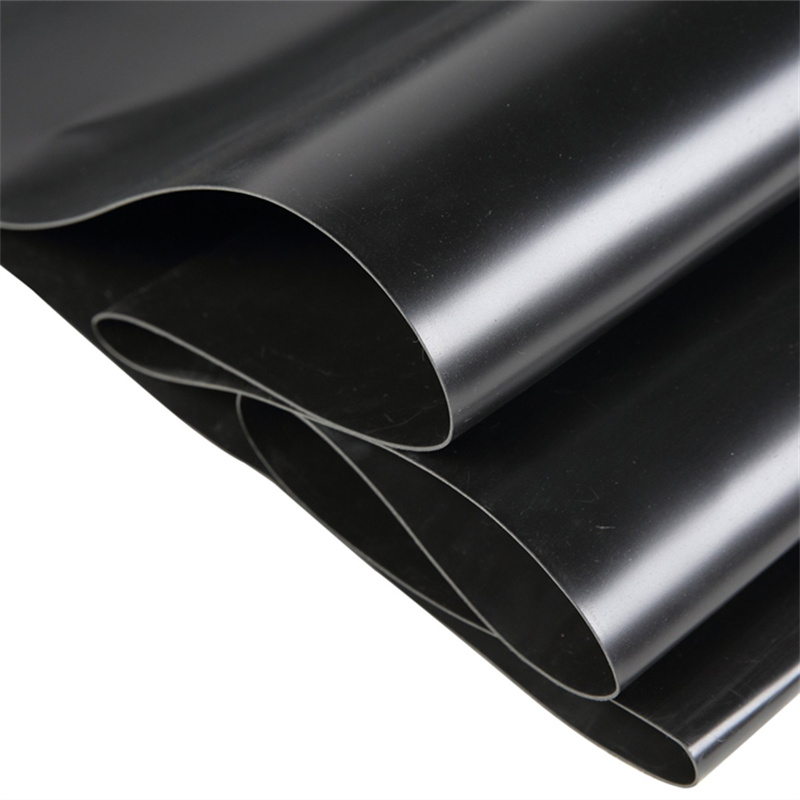
Geogrid fabric retaining walls are an important aspect of any construction project, offering stability and structural support to hold structures together. A major component of these walls is the geogrid fabric employed to build them. This cloth is essential in reinforcing the overall integrity and strength of the retaining wall, making it capable of withstanding a number of different outside influences or pressures throughout years to come. For projects requiring enhanced reinforcement, products like PP biaxial geogrid are often utilized.
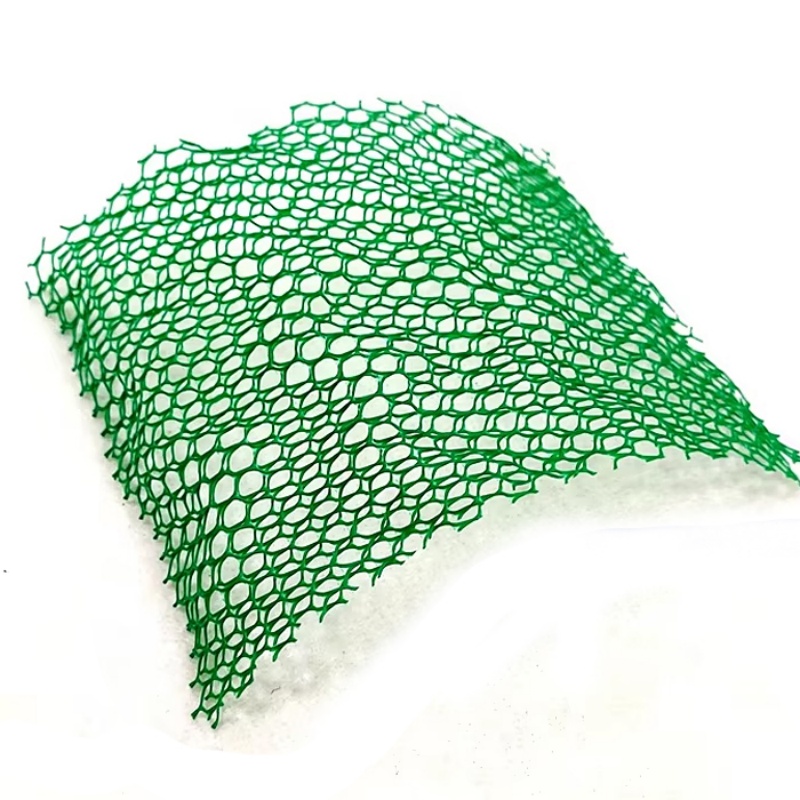
The geogrid fabric can improve stability of retaining wall, from soil and other related construction materials reinforced in a modern way. The use of this fabric to the structure, distributes the load so that would not settle or fail. The geogrid fabric is responsible for providing stability to the wall and keeping it from shifting or falling in on itself. The fabric also helps to enhance the total strength of the wall which further resists elements like erosion and weathering. In general, geogrid fabric helps to stabilize retaining walls by offering the necessary support and reinforcement to the wall. Additionally, integrating a 3D Geomat can improve drainage and soil reinforcement around the structure.
When deciding on the ideal geogrid fabric for construction projects, you need to take a number of factors into consideration. Fabric type, fabric tensile strength, fabric durability and compatibility with the soil or material in which it is used are some of the key considerations to consider. And, high-quality geogrid fabric that’s made from rugged materials such as polyethylene or polyester provides superior durability for years of reliable stability. Furthermore, the configuration and manner of how the fabric is engineered and laminated (i.e. tensile strength, flexibility) can influence how it functions to stabilize retaining walls. By choosing the right geogrid fabric for the needs of their project, contractors can help ensure that retaining walls are strong, durable and last throughout time. Consider exploring options like the Fiberglass geogrid or Polyester filament nonwoven geotextile for specialized applications.
Another problem with geogrid fabric retaining was installation. If wrong had gone in the installation of geogrid (not applicable or to close, etc), they also don t give the proper support for a wall and could cause it to collapse or fail. Installation of Geogrid Fabric Ensure proper installation by following the recommendations and instructions provided by the manufacturer.
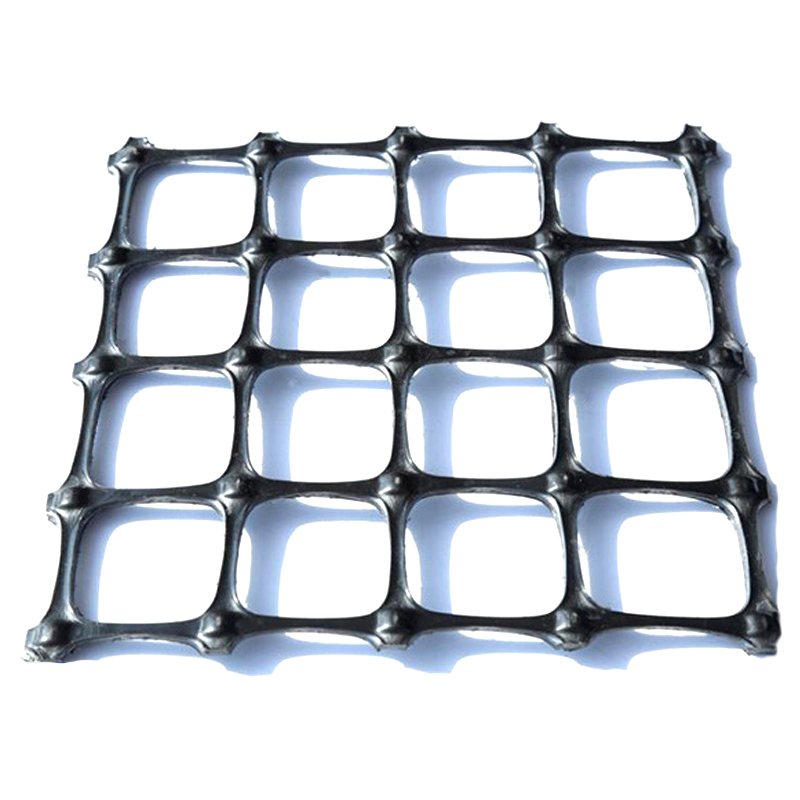
A second problem that may occur with geogrid fabric retaining walls is insufficient drainage. Water that isn't drained from the wall may accumulate behind the wall and put pressure on it, causing instability. Appropriate drainage design measures, such as gravel backfill or weepholes should also be provided to avoid this.
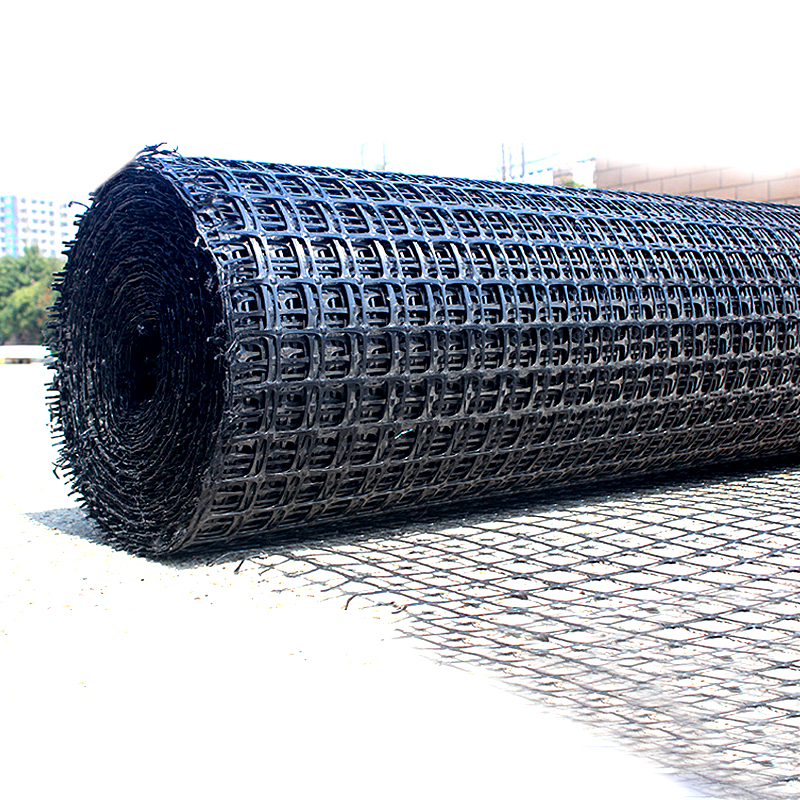
The material has multiple benefits over classic retaining wall materials like concrete or timber. One great feature is its adaptable to shape of the wall. Such flexibility permits a more expedient installation process on uneven ground and minimizes excavation.
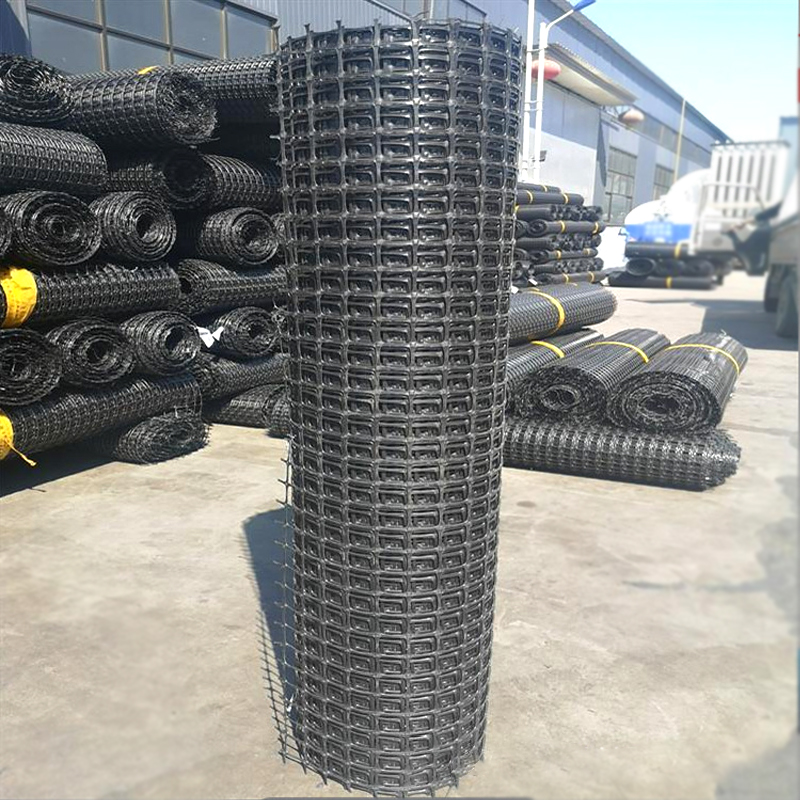
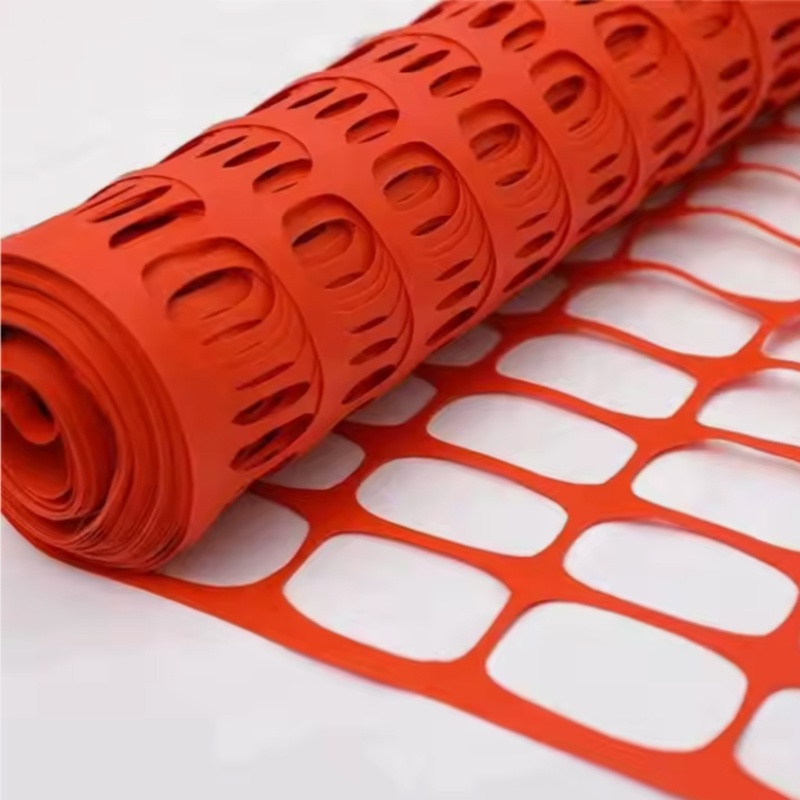
Correctly installing geogrid fabric is key to creating a retaining wall. Step 1 Outline the Wall A good outline is crucial to a successful backyard wall Next Project › Determine the location and size of your retaining wall with string line, then mark it with stakes and batter boards. After that you spread a footing of gravel over the ground where the wall stands and smooth it to give the base for a solid structure. For added safety on-site, consider implementing a Safety Fence.
 EN
EN