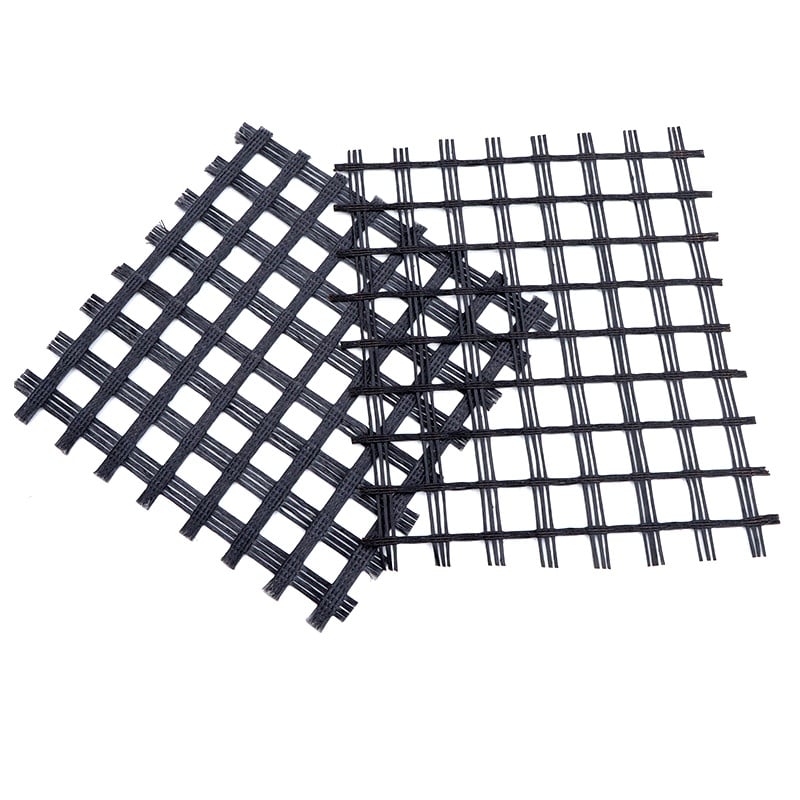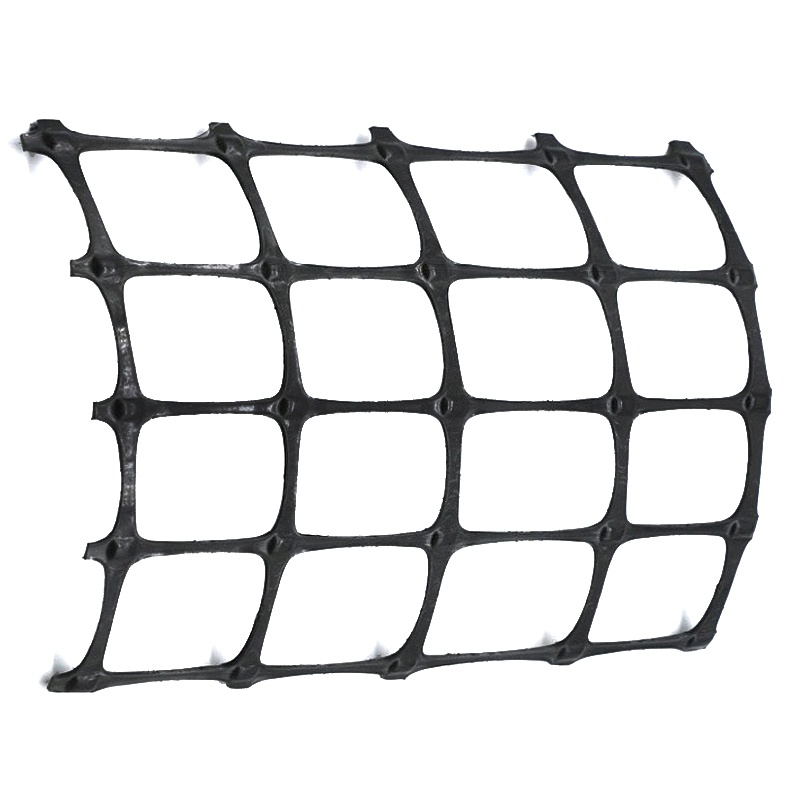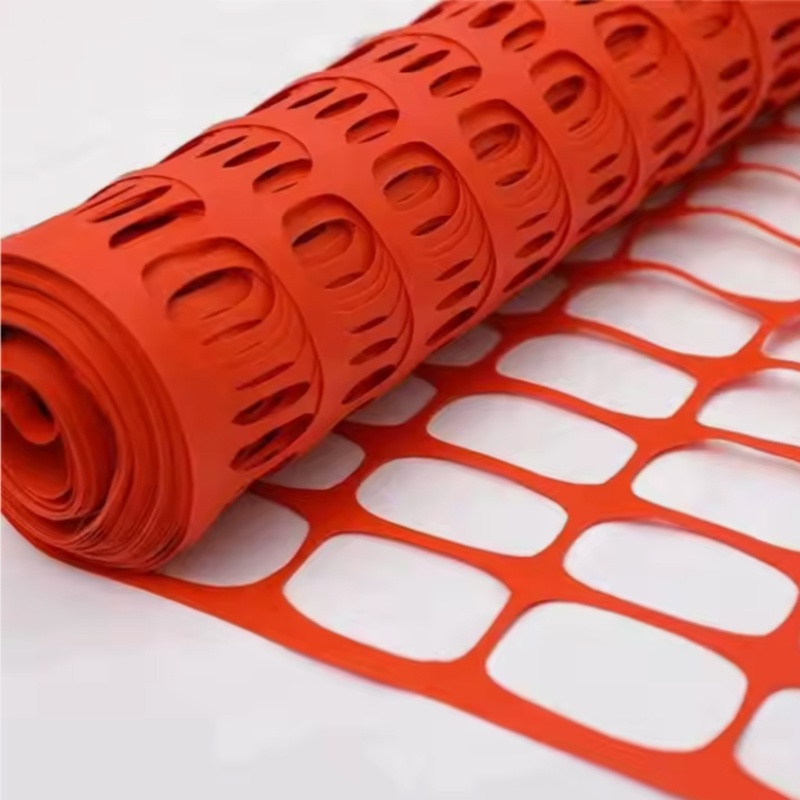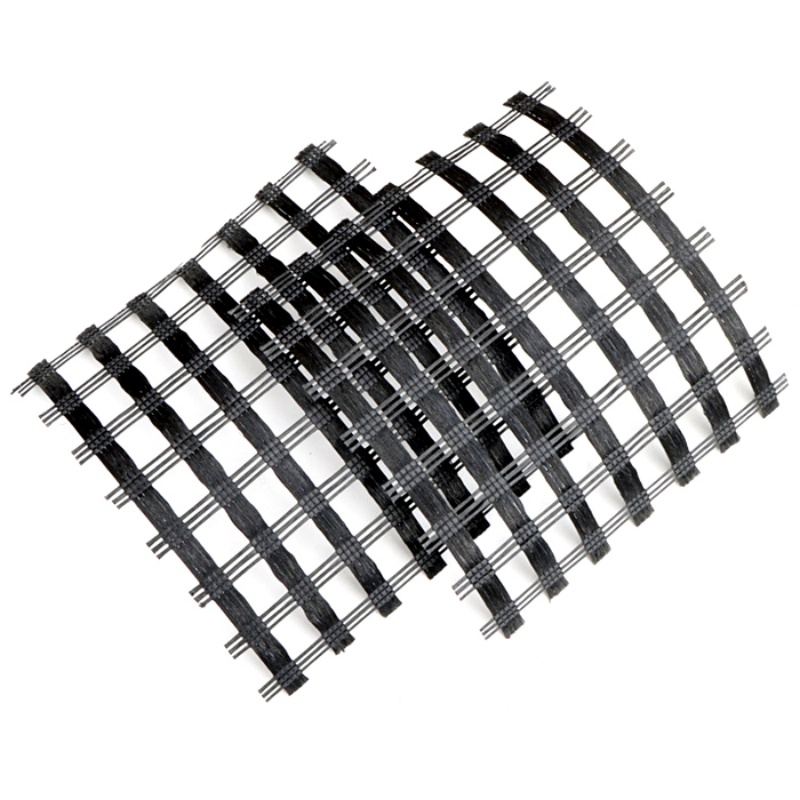
For the construction and environmental industries, impenetrable geomembranes such as those manufactured by ROAD are critical in preventing leaks or seepage. These hardy substances serve as shields to prevent fluids and pollutants from oozing through the soil. Impermeable geomembranes are used in many different applications ranging from lining landfills to protecting reservoirs. Let’s take an in-depth look at how to stop leaks and seepage with impervious geomembranes, as well as their typical applications within construction and environmental efforts. For enhanced durability in construction projects, materials like PP/HDPE uniaxial geogrid are often used alongside geomembranes to reinforce soil stability.
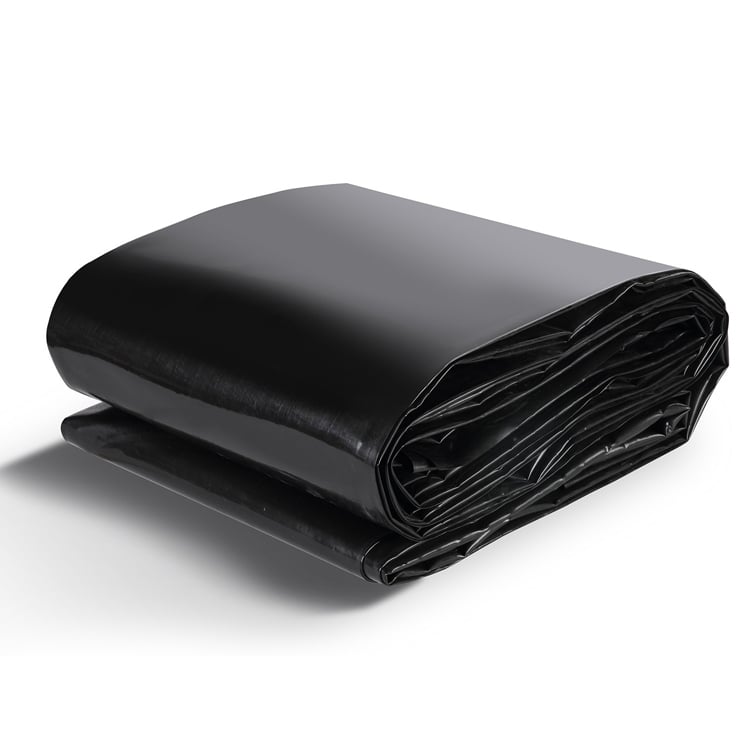
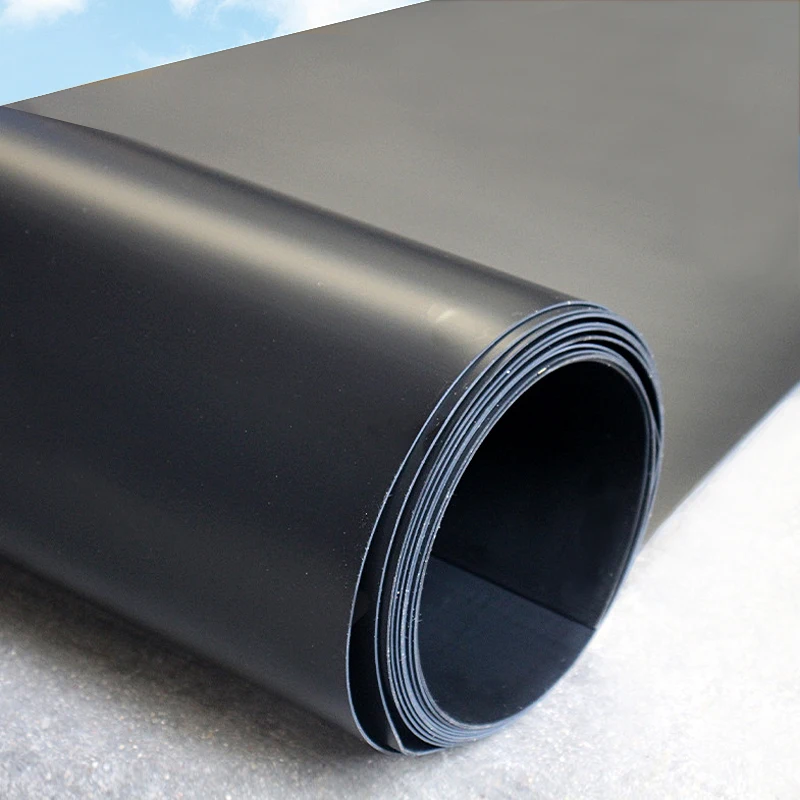
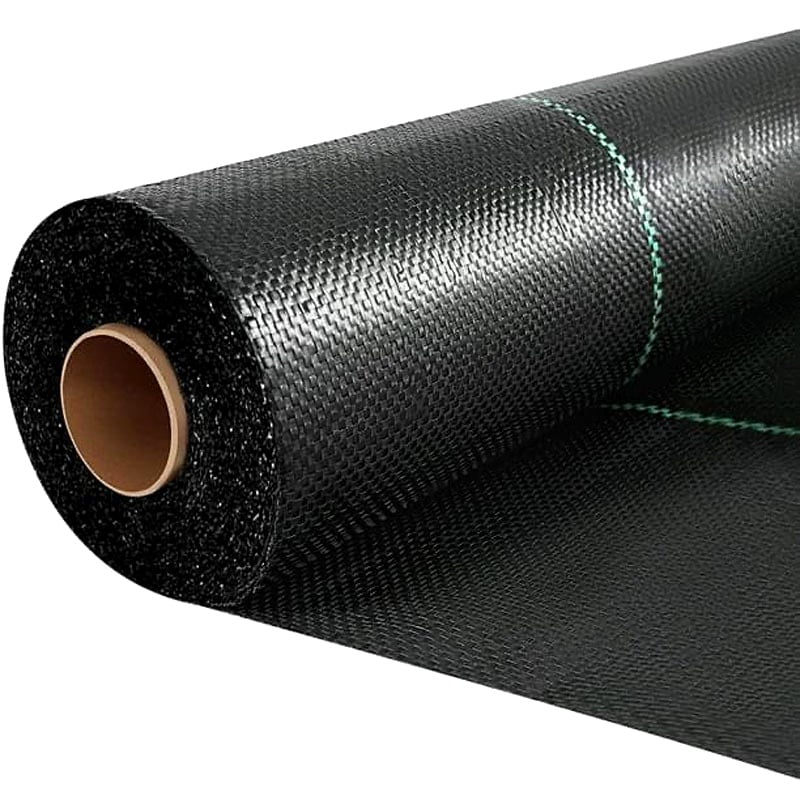
Impermeable geomembranes are essentially designed to prevent fluids and gases from going through them. They're constructed from puncture- and chemical-resistant materials such as high density polyethylene (HDPE) or polyvinyl chloride (PVC). The geomembranes are layered or overlaid in order to form a continuous barrier that prevents the seepage of water, chemicals and other substances from reaching the soil or groundwater. Appropriate installation and monitoring of impermeable geomembranes are necessary to safeguard their function in the long-term. In some cases, combining geomembranes with woven geotextile can improve the overall mechanical properties of the containment system.
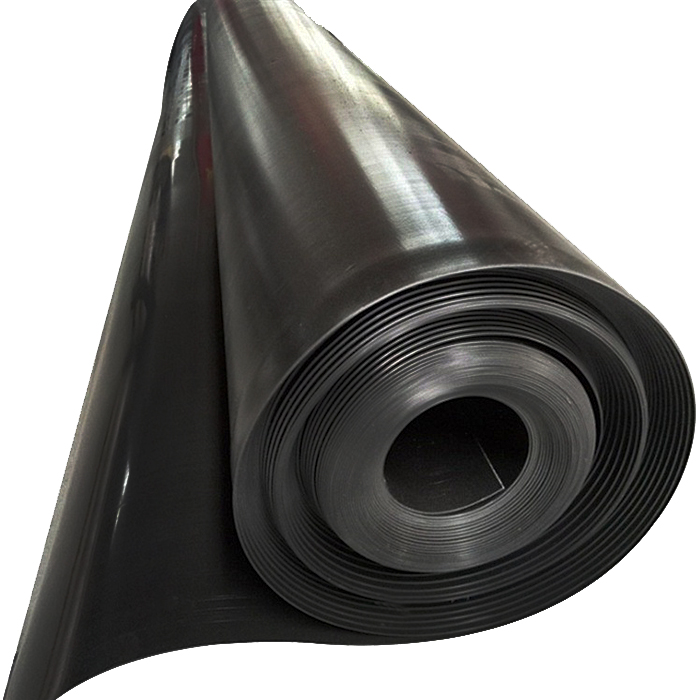
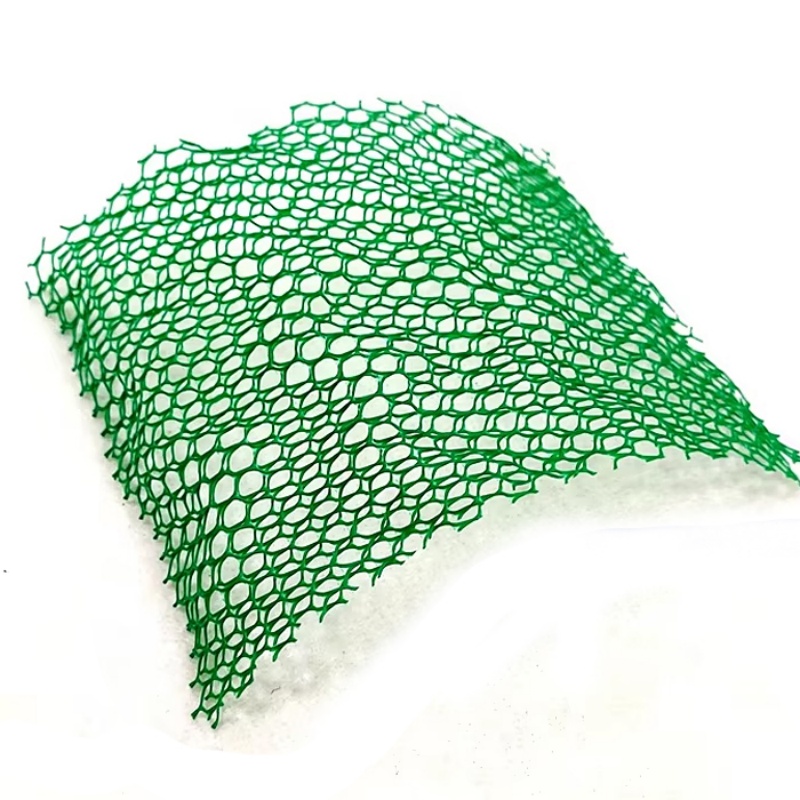
Non-permeable geomembranes are available in different thickness and strength, to meet specific project requirements. Thicker geomembranes are more resistant to punctures and tears, and reinforced geomembranes offer increased robustness in demanding conditions. As impermeable geomembranes are flexible, they can adapt to the contours of the ground make allowance for any settling or shifting without any risk of breaking. Even simply maintaining your tanks on a regular basis can help nip most problems in the bud, preventing leaks or leeching from occurring. Quality Unaffected Geomembranes plus good application and maintenance practices can be used to successfully avoid leaks in a project, thus ensuring protection for the environment. Additionally, for soil reinforcement and slope stabilization under geomembrane liners, Geocell technology is often integrated to enhance durability and performance.
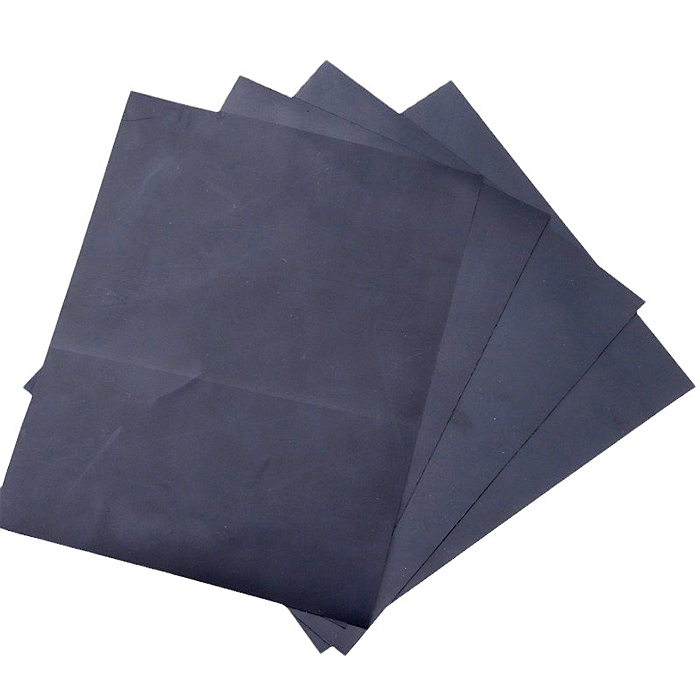
Waterproofing geomembranes are essential to containing water in many applications, such as landfills, ponds, reservoirs and dams. These manmade "skins" serve as barriers that keep the water from escaping and shield the environment from contamination. Water can flow through the ground without an impermeable geomembrane, resulting in pollution and may have adverse effects to nearby ecosystems. Water Confinement Water containment systems can be effectively sealed and maintained with the application of impermeable geomembranes to protect, not only the environment, but those within it. For specialized mining applications, the use of high-strength polyester geogrid for mining can further enhance structural integrity.
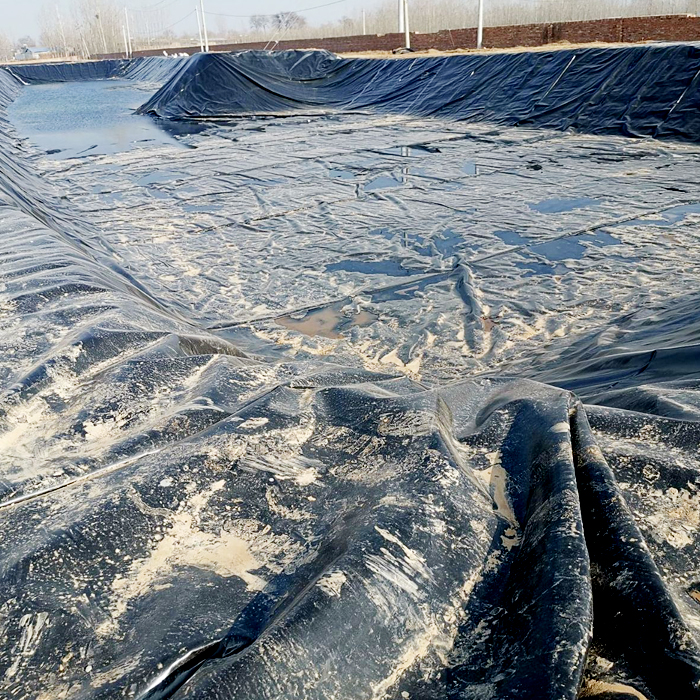
Such waterproofing issues can be solved by application of an impervious geomembranes. These tough and flexible membranes are formulated to ensure that they are suitable for most environmental factors and give a long-life waterproofing. Whether your project is residential, commercial or industrial, flexible concrete liner/balancing tanks provide the most trusted solution for waterproofing needs. These m embranes offer h2o and damage prevention against expensive foundation damage in addition to water managing structures. The use of impermeable geomembranes can solve waterproofing problems and these would then result in secure, safe water containment systems.
 EN
EN