 EN
EN

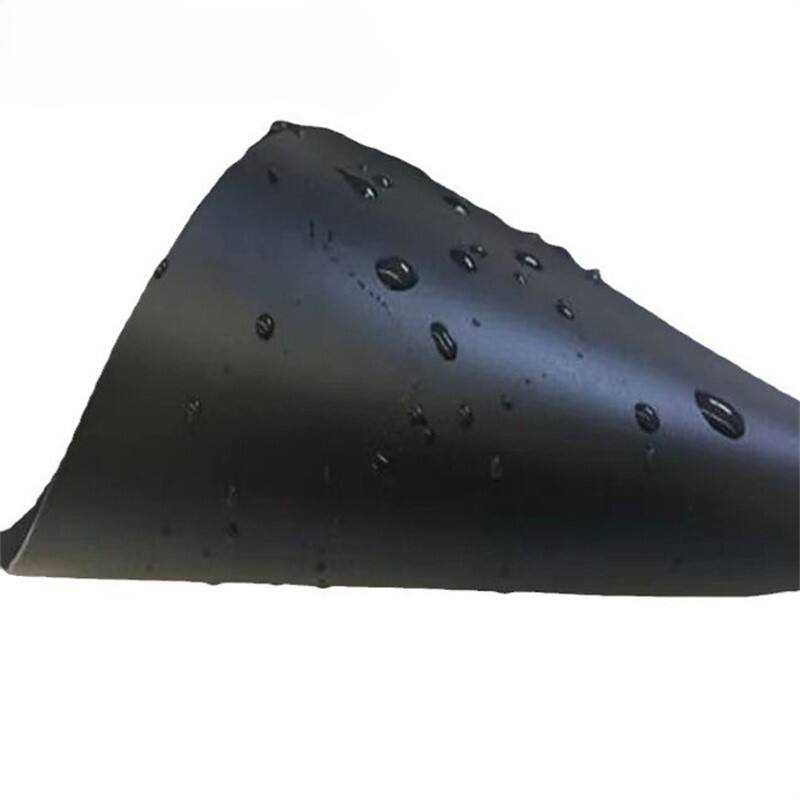
Geomembranes are important materials for many construction and environmental works. They are an integral part of making these programs successful and sustainable. The Medium lends itself to a variety of sectors within construction projects and also in environmental projects so lets take a look at how ROAD's geomembrane applications are utilised.
Use of Geomembrane in Construction Sector
Geomembranes are largely employed in construction for a number of purposes including lining tanks, ponds and landfills. These impermeable barriers prevent harmful materials that may be present in the soil and underlying water table from leaking into the surrounding soils and environment. Furthermore, geomembranes are applied in tunnels to make them waterproof and prevent water leakage in order to protect the tunnels from potential destruction. Geomenbranes are also employed in road-building projects to stabilize the soil and hinder erosion, helping to prolong the life of roads. All in all, the application of ROAD geomembrane in construction projects for durability, stability and environmental protection.
How it Benefits Environmental Projects
Geomembranes are essential in environmental projects, where the waste containment and remediation processes must be created. They are employed in landfill construction to separate hazardous waste from the surrounding soil and groundwater. Geomembranes are also employed in environmental cleanup projects to control toxin-leaching out of spoil and waste placed uphill of the work site. Geomembranes are also employed in water treatment plants as a liner to isolate tires and suppress dust at waste facilities. ROAD's environmental project applications for geomembrane help to conserve the environment by offering environmentally-friendly solutions.
Proper Technique for Installing Geomembrane for the Best Results
When you’re putting down geomembrane for different applications, it’s important to use the right installation process so that everything can work well. First, the geomembrane will only work on a clean, smooth surface. This will ensure that sharp objects and debris do not puncture the geotextile geomembrane.
The geomembrane is then laid down and carefully anchored, e. g., by welding or seaming. It is advisable to ensure that there are no creases on the geomembrane as, this would make void its effect.
Proper installation also includes anchoring the geomembrane properly around the margins to eliminate slipping or movement. This may be accomplished using anchor trenches, ballast or otherwise secure means.
Inspection should be carried out regularly during and after installation to detect damage or defect. We hope these steps will help in right installation of geomembrane and you will get maximum benefit from it at different sites.
Waterproofing in the best in construction choices
You can use a geomembrane for construction projects that require waterproofing because it is resistant to damage and moisture. They are often applied to line reservoir, pond or canals for the purpose of preventing impediment of water into the ground.
The Central benefits of using fabric geotextile geomembranes in waterproofing are its strength, durability and resistance to tearing and puncturing. This makes them perfect for long term uses in construction sites where water containment is required.
In addition, geomembranes are cheaper than traditional waterproofing systems and are less maintenance intensive over life. They can be tailored according to the requirements of each project, and therefore they are versatile solution for construction waterproofing.
Geomembrane Applications in Landfill Projects
Geomembranes are very important elements for landfill construction as they act in a barrier system to avoid the potential contamination of the environment of waste materials. They serve to stop leachate seepage into soil and groundwater, thereby protecting ecosystems from pollution.
Landfills In landfill applications geo fabric geomembranes are often combined with other materials like geotextiles and clay liners to form environments in which contaminants can be safely contained. This system enables efficient disposal and control of the waste material with minimal environmental impact.
Geomembranes, as a component of landfills can guarantee that the harmful material is stored safely and separated from the local environment. This factor makes of geomembranes a key element in environmental works intended to preserve and protect our natural resources.