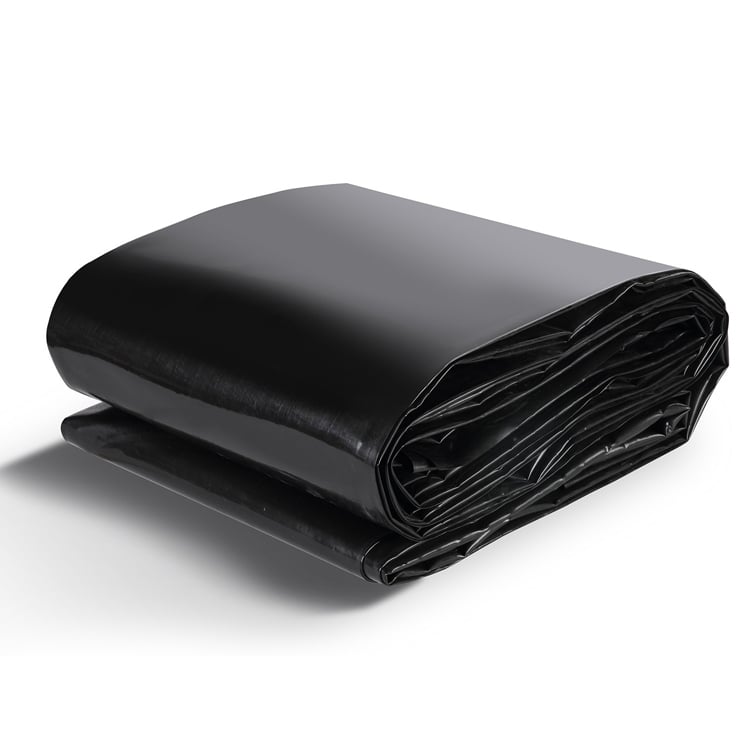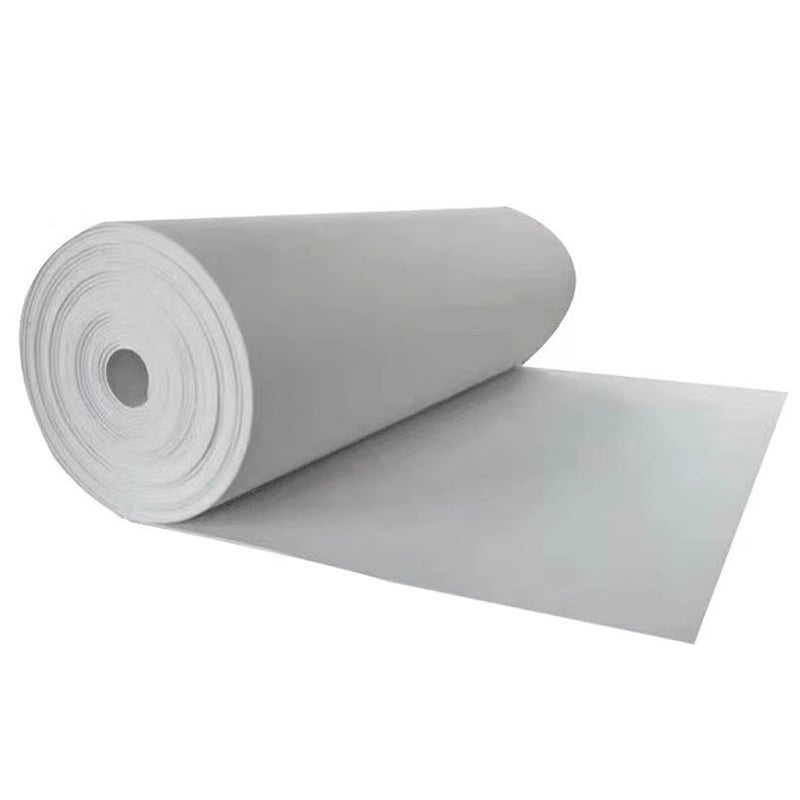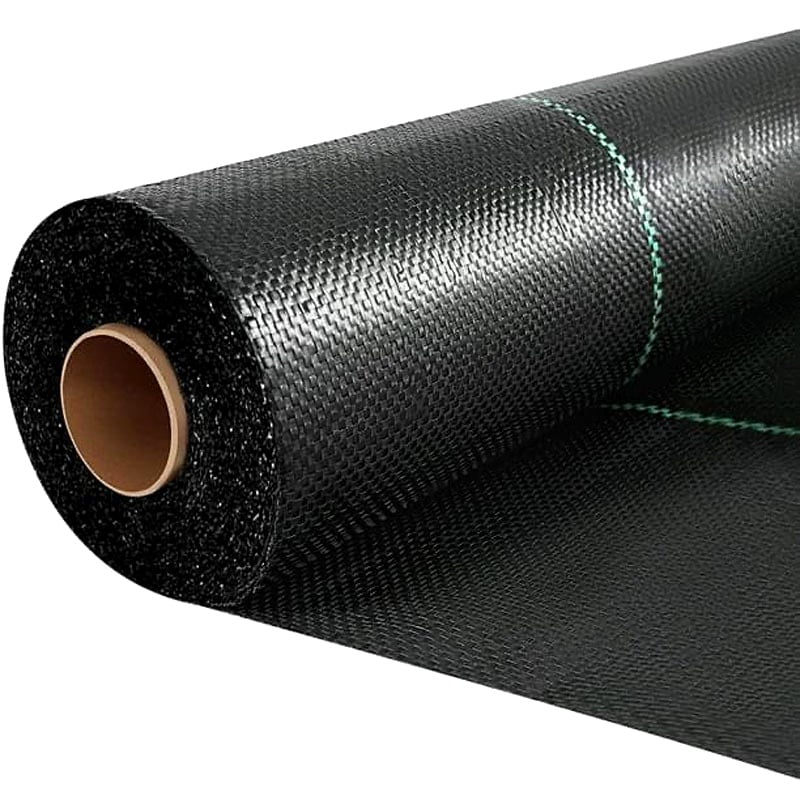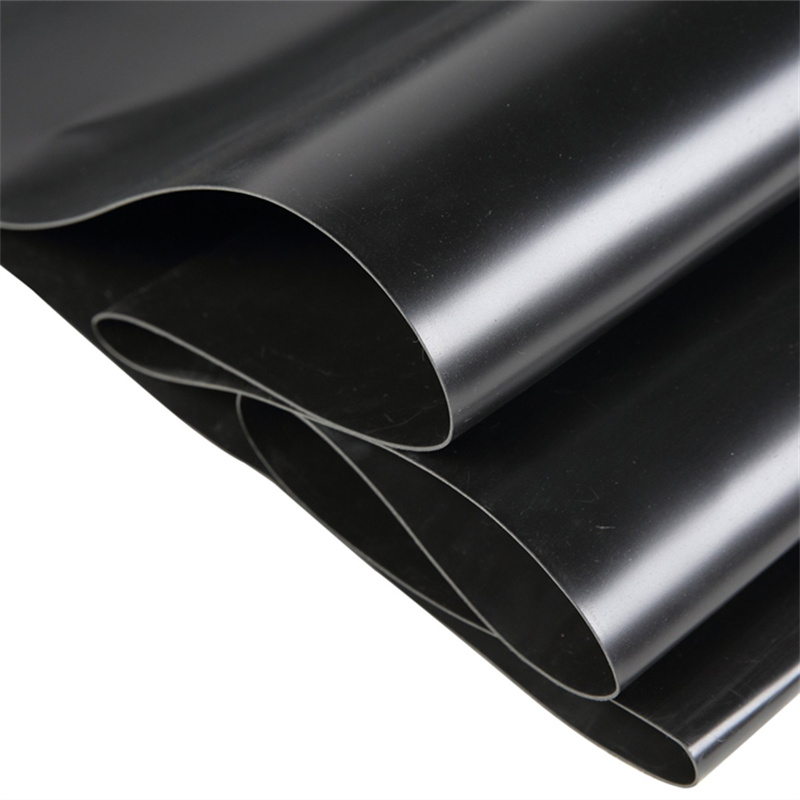
Membrane liners are important for environmental security and effectively reduce the penetration of pollutants into soil or water. These liners are employed in industries, e.g., garbage collection, mine operation and agriculture for preventing dangerous materials from being leached to surrounding environment. Membrane Liners Membrane liners are tough, impermeable and chemically resistant, resulting in an ideal solution for protecting both the environment and human health when it comes to preventing contamination of water. Additionally, these liners often work in conjunction with Geomembrane products to enhance containment effectiveness.
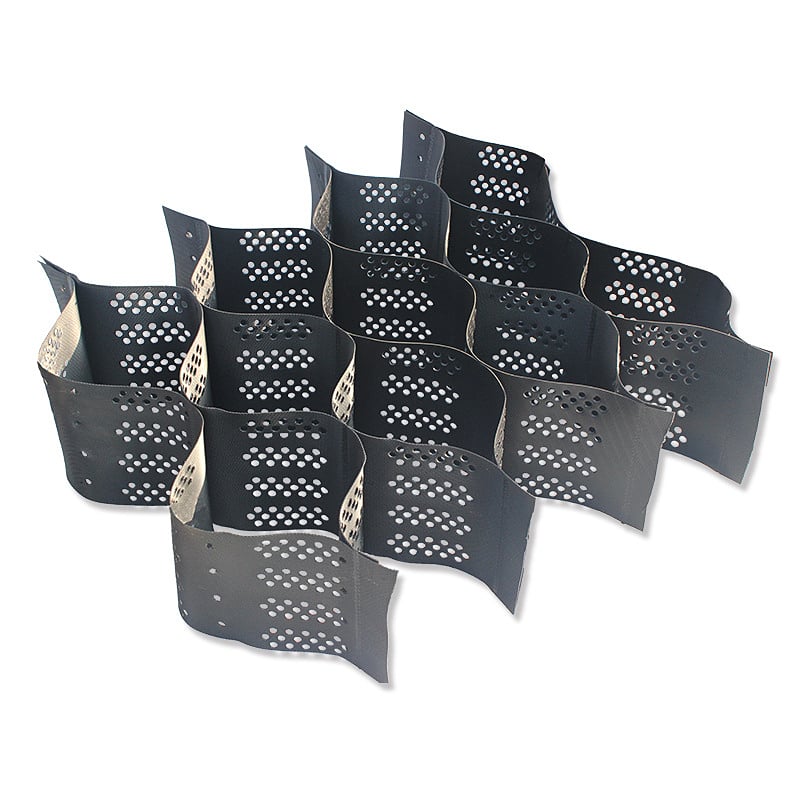
Membrane liners function as a barrier to the migration of contaminants from leaching into soil and groundwater. By providing a protective barrier, these liners prevent the escape of contaminants to reduce contamination and harm to the environment. The bottom and sides of waste dumping sites are lines with Membrane Liners to avoid the possibility of toxic substance from entering into earth or water. This containment method/procedure prevents the escape of hazardous waste to cause no damage to the environment and human health. Modern installations may integrate geosynthetic materials such as 3D Geomat for enhanced stability and filtration.
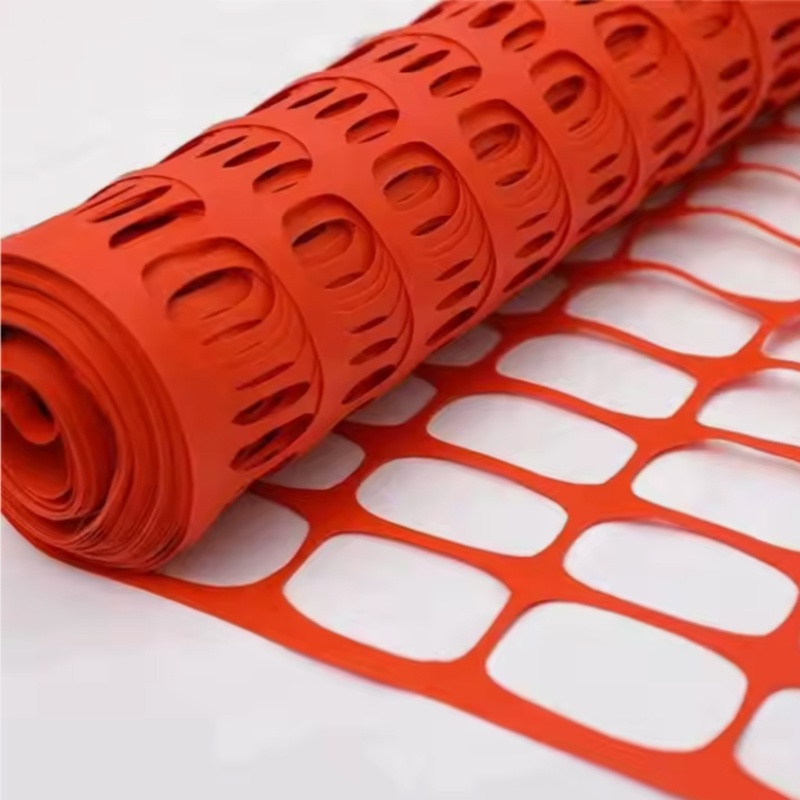
In sum, the membrane liners are important for protecting environments and fostering a responsible development in the most diverse areas. Because they serve as a barrier that prevents pollution and toxic materials from getting into water sources, ecosystems, and human bodies, liners play an important role in protecting public health. Because of their flexibility, ruggedness & dependability… oilfield tanks are a must-have for companies who are trying to protect the environment and meet stringent regulations for waste processing and pollution elimination. For those seeking additional protective measures, using specialized Safety Fence systems around containment areas can provide extra security and reduce accidental breaches.
Manufacturers of Membrane Liner Besides manufacturers, the market also classifies distributors and wholesalers who provide membrane liners to different companies in the global marketplace. These suppliers, tend to give discount rates for bulk orders, and is therefore cheaper for most companies to purchase the liners in quantity. Through collaboration with wholesale distributors, firms can simplify their purchasing and secure a steady source of membrane liners for current projects.
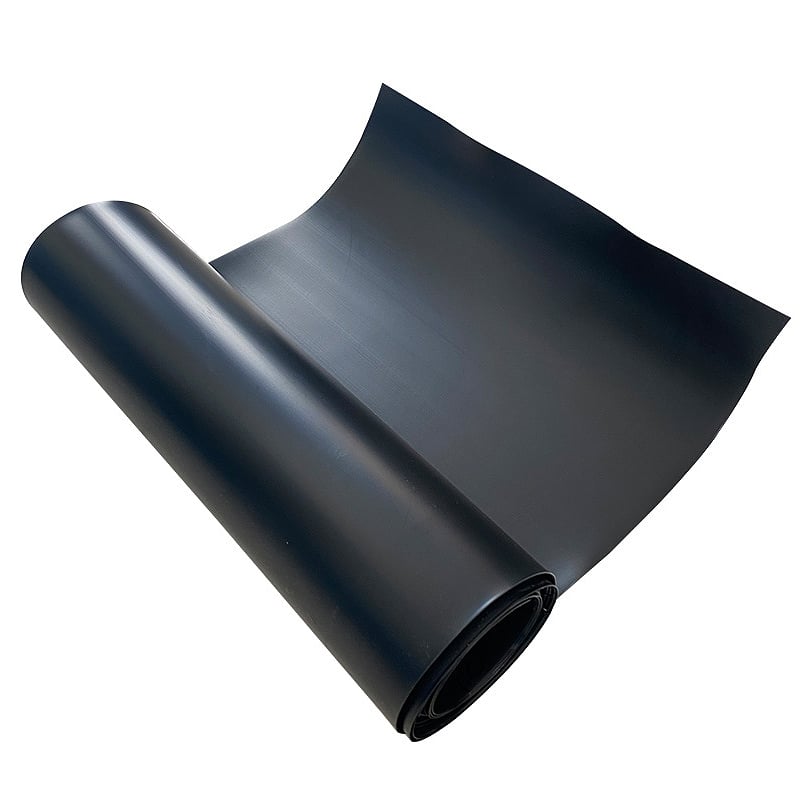
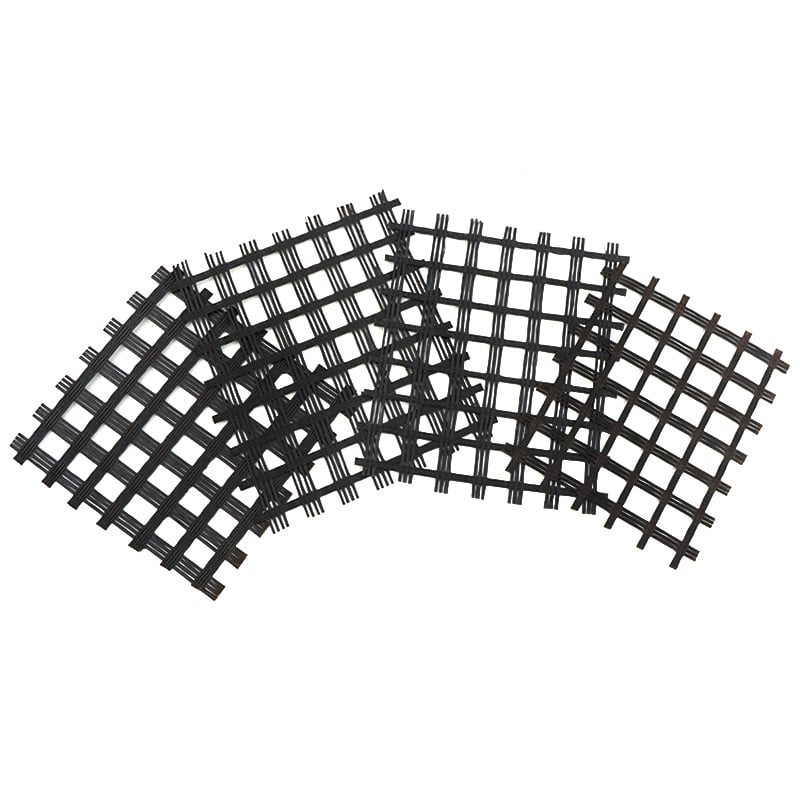
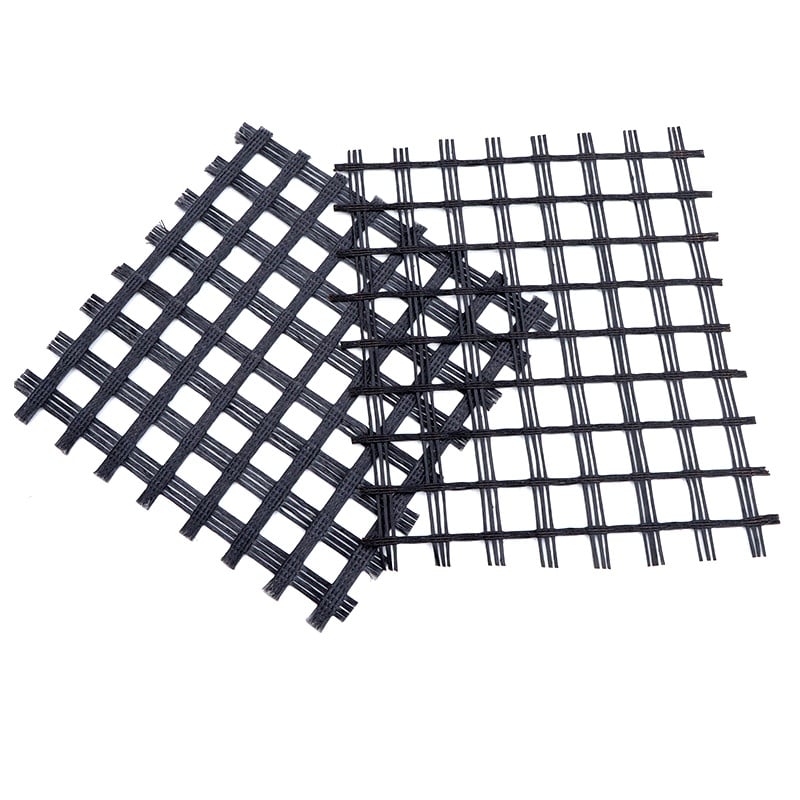
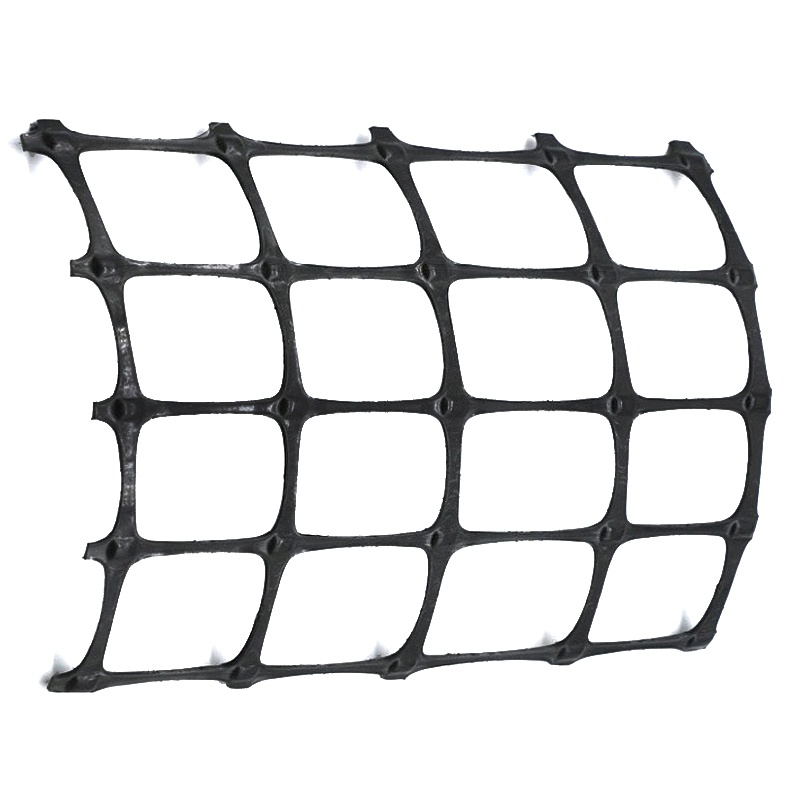
Membrane liners are commonly employed in many industries to contain the flow of fluid and to prevent pollution of an area due to such flow. It is no different when it comes to employing membrane liners – with a few key challenges commonly cropping up. Among the big problems are punctures or tears in the liner that can cause leaks and reduce its effectiveness. In order to prevent such an occurrence, the liner must be checked at regular intervals for damage and any defects repaired promptly. It is also common to combine membrane liners with other geosynthetic materials such as Polyester filament nonwoven geotextile to enhance protection and cushioning. Additionally, PP biaxial geogrid is sometimes used in conjunction to improve the structural integrity of the containment system.
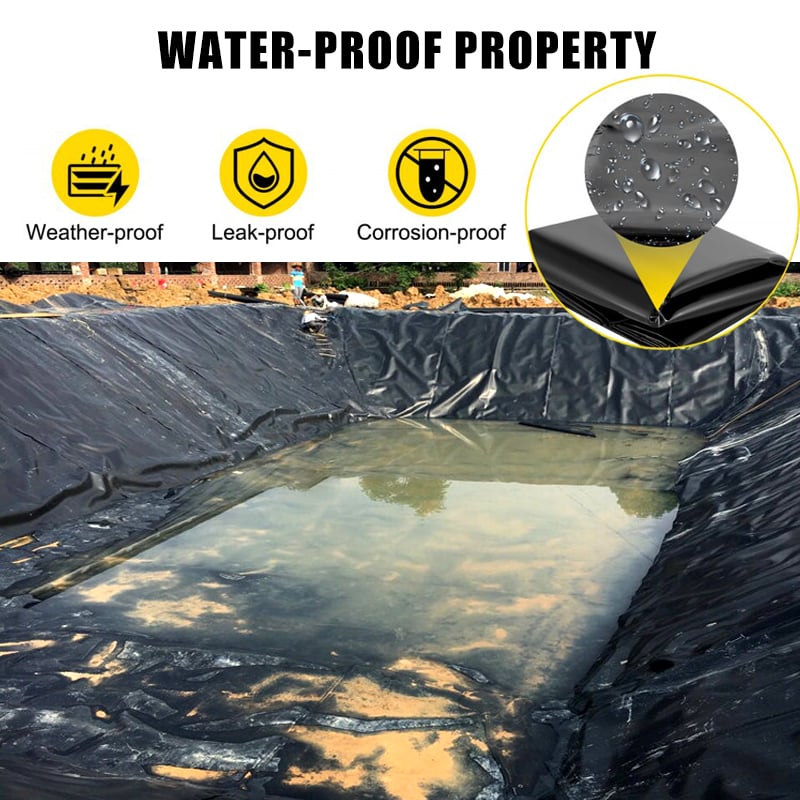
Improper installation is another frequent problem we encounter when servicing pools with a membrane liner installed, as wrinkles and folds in the liner can hold moisture and allow mold or mildew to grow. It is critical that the liner is installed correctly by experienced fitters who adhere to the specifications outlined in the manufacturer's guidelines, in order that this does not happen. Also, regular checkups and proper maintenance can help you catch problems before they develop into bigger issues.
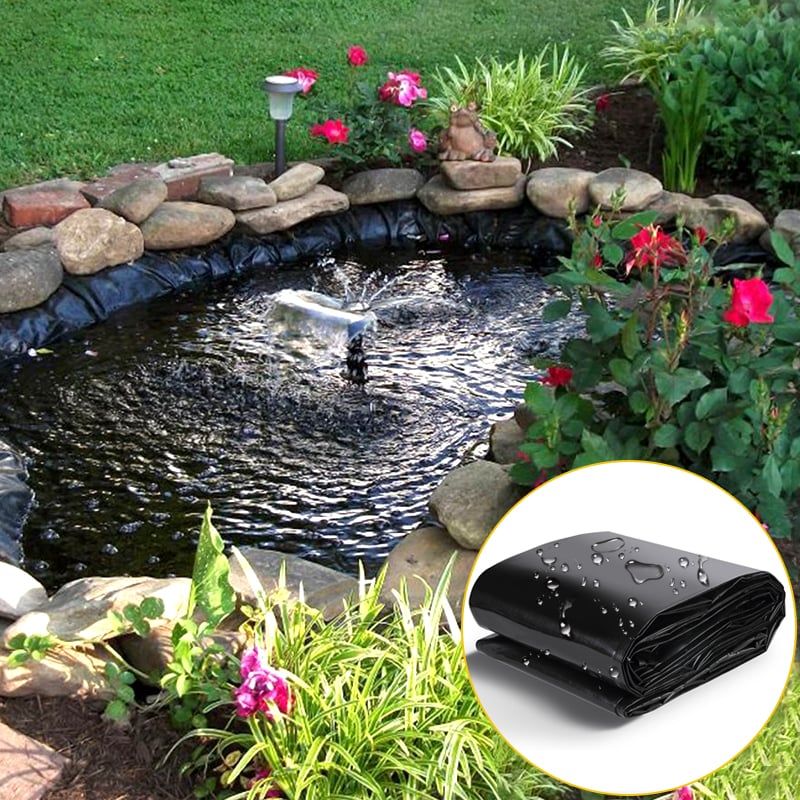
The thickness or gauge of the liner is another consideration to bear in mind when selecting a membrane liner. Thicker liners are stronger and provide more resistance to puncture and tears, but they tend to cost more. Thinner liners, however, are cheaper but do not offer the same protection. The key is finding a balance of cost versus performance that allows you to make an educated selection of membrane liner that will work for what you need and what won’t.
 EN
EN